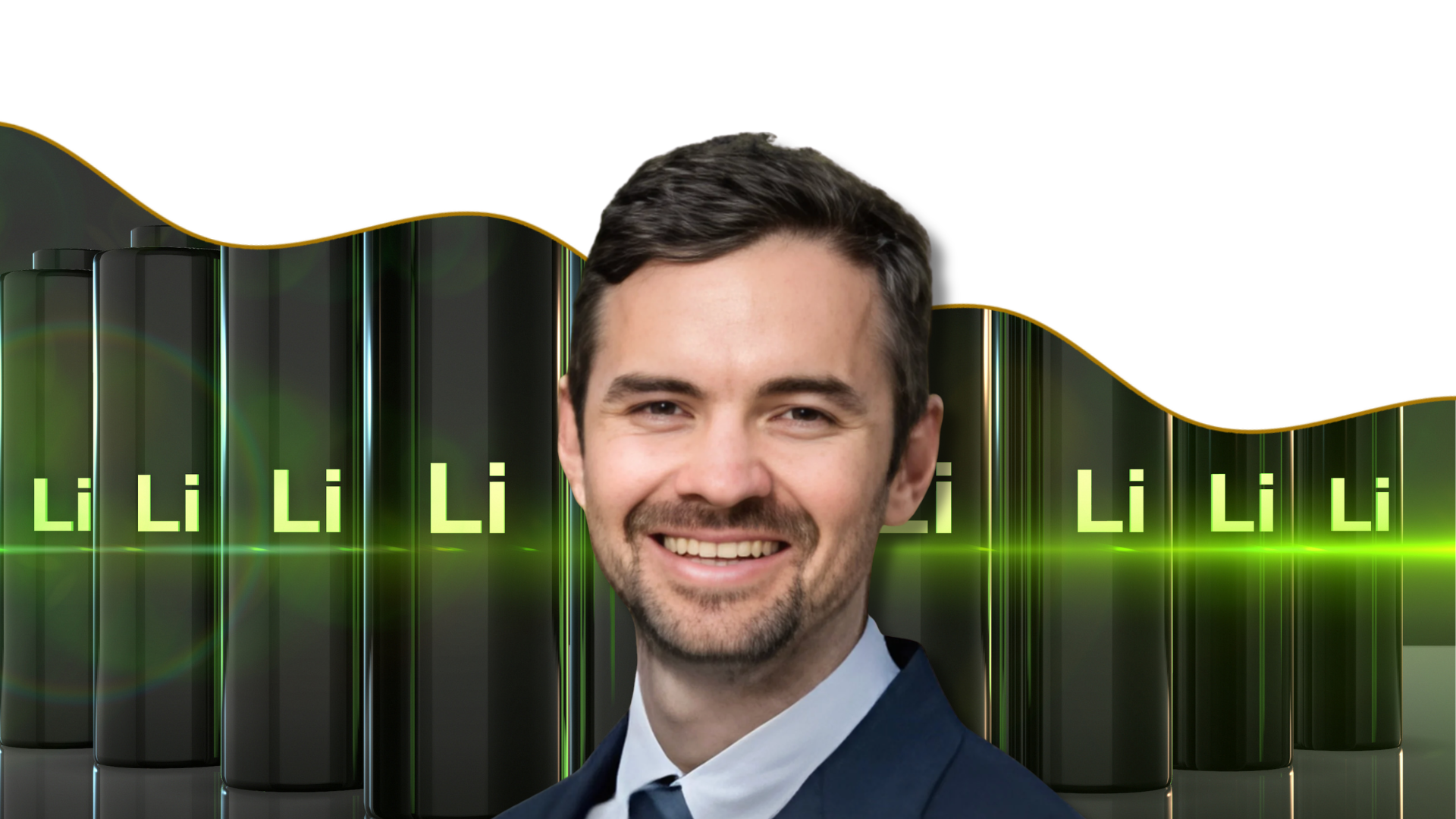

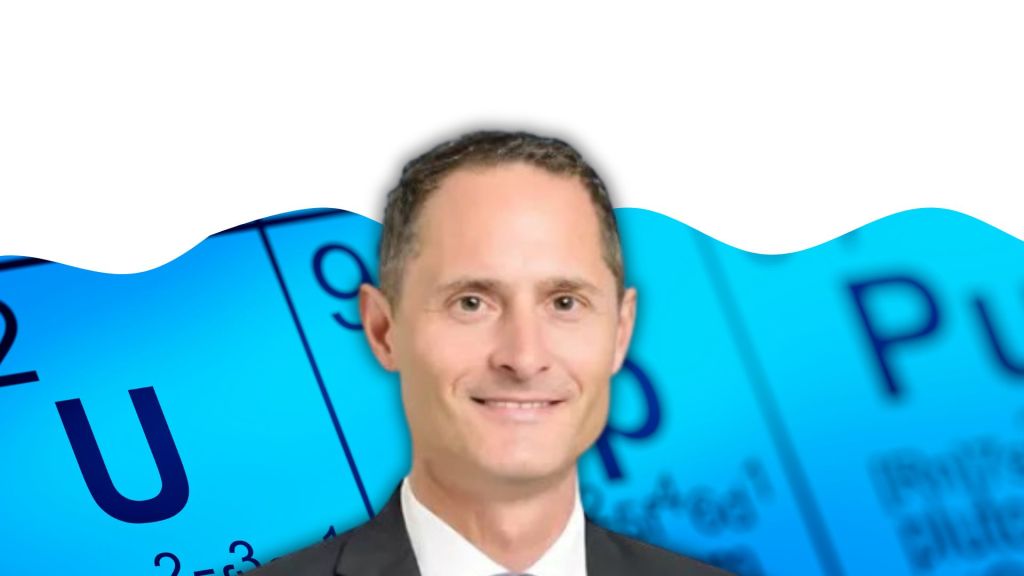
In a candid in-depth conversation with John Ciampaglia, CEO of Sprott Asset Management, the challenges and evolving dynamics of both uranium and copper markets come into sharp focus. With years of experience leading one of the most influential asset management firms in the resource sector, Ciampaglia offers insightful perspectives on the forces shaping these critical commodities. His analysis spans from Kazakhstan’s ongoing production struggles in uranium to the intensifying demand for copper in a world driven by electrification. Through the course of the interview, Ciampaglia doesn’t mince words, emphasizing market realities often overlooked by casual investors.
The key takeaway is that we haven’t solved the structural supply deficits in either market. Until that happens, we remain very constructive on both commodities.
John Ciampaglia, CEO, Sprott Asset Management
Kazatomprom’s Challenges
“We’ve been telling people over and over again that the uranium trust is perpetual in nature, and it does not have a mandate to sell its material at some magical price target,” Ciampaglia declares early in the discussion, setting a critical tone for how uranium investors should view the market.
The uranium market, long known for its opacity and volatility, is grappling with a structural supply deficit that has persisted for several years. Kazakhstan, home to the world’s largest uranium producer, Kazatomprom, has been at the center of this crisis. According to Ciampaglia, Kazatomprom’s recent announcement of an 18% reduction in production is significant but far from surprising.
“For five years now, the Kazakhs have consistently missed their production targets,” Ciampaglia notes. The company’s issues range from sulfuric acid shortages to delays in construction, with bureaucracy and permitting hurdles complicating the situation. Even with plans for a new sulfuric acid plant, it could take four years to complete. “Let’s give them the benefit of the doubt,” Ciampaglia adds, “but even if they meet their lowered targets, we’re still looking at a supply deficit that could be as large as 30 million pounds annually.”
The real takeaway, Ciampaglia argues, is the wake-up call this should serve to utilities. For too long, utilities have relied on the notion that there would always be enough supply in the market. He points out that many have been “sitting on their hands,” unwilling to secure long-term contracts in the hope that prices will decline. This hesitation is likely to create more challenges as the supply crunch intensifies.
The Chinese Factor and Global Inventories
The conversation then shifts to China’s growing role in the uranium market. While Western utilities have increased their uranium inventories only marginally, China has been stockpiling aggressively. Over the past two years, China’s uranium equivalent inventories have grown by a staggering 86 million pounds, compared to just 2 million pounds in both the EU and the US.
Ciampaglia emphasizes that China’s strategy is clear: they are building reactors at an aggressive pace, with plans for over 100 more reactors in the coming years. “China clearly got the message, while everyone else seems to be holding the line,” Ciampaglia comments, highlighting the contrast in strategic approaches.
This disparity in inventory management could lead to a significant shake-up in the market as utilities scramble to secure future supply. The global supply-demand balance for uranium is becoming increasingly fragile, with growing pent-up demand that could overwhelm the market in the near term.
The End-of-Month Smash: Manipulation in the Spot Market
One of the most contentious topics in uranium is the so-called “end-of-month smash,” where the uranium spot price mysteriously declines at the end of each month. Ciampaglia doesn’t shy away from acknowledging this phenomenon. “It’s a real thing,” he says, pointing to certain traders with off-take agreements that benefit financially from driving down the price temporarily. This creates frustration for those who are serious about the market but offers opportunities for savvy investors who understand the cycles.
Ciampaglia clarifies that while these manipulations are frustrating, they tend to be short-lived. Prices typically recover within hours or days, meaning the long-term fundamentals remain intact. For investors who know how to time their moves, these dips present potential entry points.
Copper Market Insights: Demand, China’s Role, and Future Outlook
After the deep dive into uranium, the conversation pivots to copper—another commodity critical to the global energy transition. Copper’s essential role in everything from electric vehicles to renewable energy grids makes it a hot topic among institutional investors.
According to Ciampaglia, copper is becoming more intertwined with the energy transition, much like uranium. “If you think about it, there’s a very high degree of overlap between uranium investors and copper investors,” he observes. Both commodities are crucial for electrification, with copper serving as the backbone for power generation, transmission, and storage.
The Global Copper Market and the Role of China
Copper is a massive market compared to uranium, with global annual production of around 31 million metric tons, including recycled copper. The demand for copper is only expected to grow as countries like India ramp up their electrification efforts and the West continues to build out renewable energy infrastructure.
However, China’s dominance in the copper market remains a double-edged sword. As the largest consumer and processor of copper, China wields significant influence over global copper prices. “China is very good at manipulating prices when it serves them,” Ciampaglia notes, pointing out that they often destock their reserves when prices are high, driving prices lower before re-entering the market at more favorable levels.
But despite China’s tactics, Ciampaglia believes copper’s long-term outlook remains strong. New technologies like AI, the growing electrification of developing nations, and the increasing use of copper in renewable energy all point to robust future demand.
M&A Activity in the Copper Sector: Defensive Moves or Value Creation?
The conversation also touches on the recent wave of mergers and acquisitions in the copper sector. With companies like BHP and Rio Tinto making aggressive moves to secure copper assets, Ciampaglia sees these deals as a clear signal of copper’s growing strategic importance. “What it signals to us is that copper is going to become a much more important part of their portfolios,” he says.
However, he is quick to caution against assuming that all M&A activity is inherently value-creating. While companies have learned from the mistakes of the past cycle, the pressure to secure future reserves could lead to deals driven more by necessity than value creation.
The Future of Copper and Uranium Markets
Looking ahead, Ciampaglia remains bullish on both uranium and copper, despite the near-term volatility in both markets. The structural supply deficits in uranium and the growing demand for copper in the electrification space present compelling long-term investment opportunities.
“The key takeaway,” Ciampaglia concludes, “is that we haven’t solved the structural supply deficits in either market. Until that happens, we remain very constructive on both commodities.”
This conversation with John Ciampaglia offers a sobering, fact-driven look at two critical markets that are poised to play a major role in the global energy transition. For investors seeking exposure to uranium and copper, the insights from this interview provide a valuable roadmap for navigating these complex and evolving sectors.
John Ciampaglia Interview
This is a very brief summary of what was a lengthy interview. Don’t rely on this summary. Watch the full interview which is linked above.
Please note that this guest has not paid for the creation of this content. The Resource Talks interview rules are simple.
The companies, albeit paying or non-paying, get no questions upfront, no questions off the table, and no editing rights.
The information provided herein is general & impersonal in nature and meant for entertainment purposes only. The reader acknowledges and agrees that the information does not constitute a solicitation of an offer to buy or sell any security or instrument or to participate in any trading strategy. The author is not a licensed investment advisor. He is just another talking head on the internet. He might own shares of companies mentioned in this publication. Always assume he doesn’t know much more than a potato does. The mining & exploration space is among the riskiest sectors to invest in. The risk of anything mentioned in this publication is 100% loss of capital. If you don’t read the official documents provided by the company on http://www.SedarPlus.ca, you will lose all of your money.