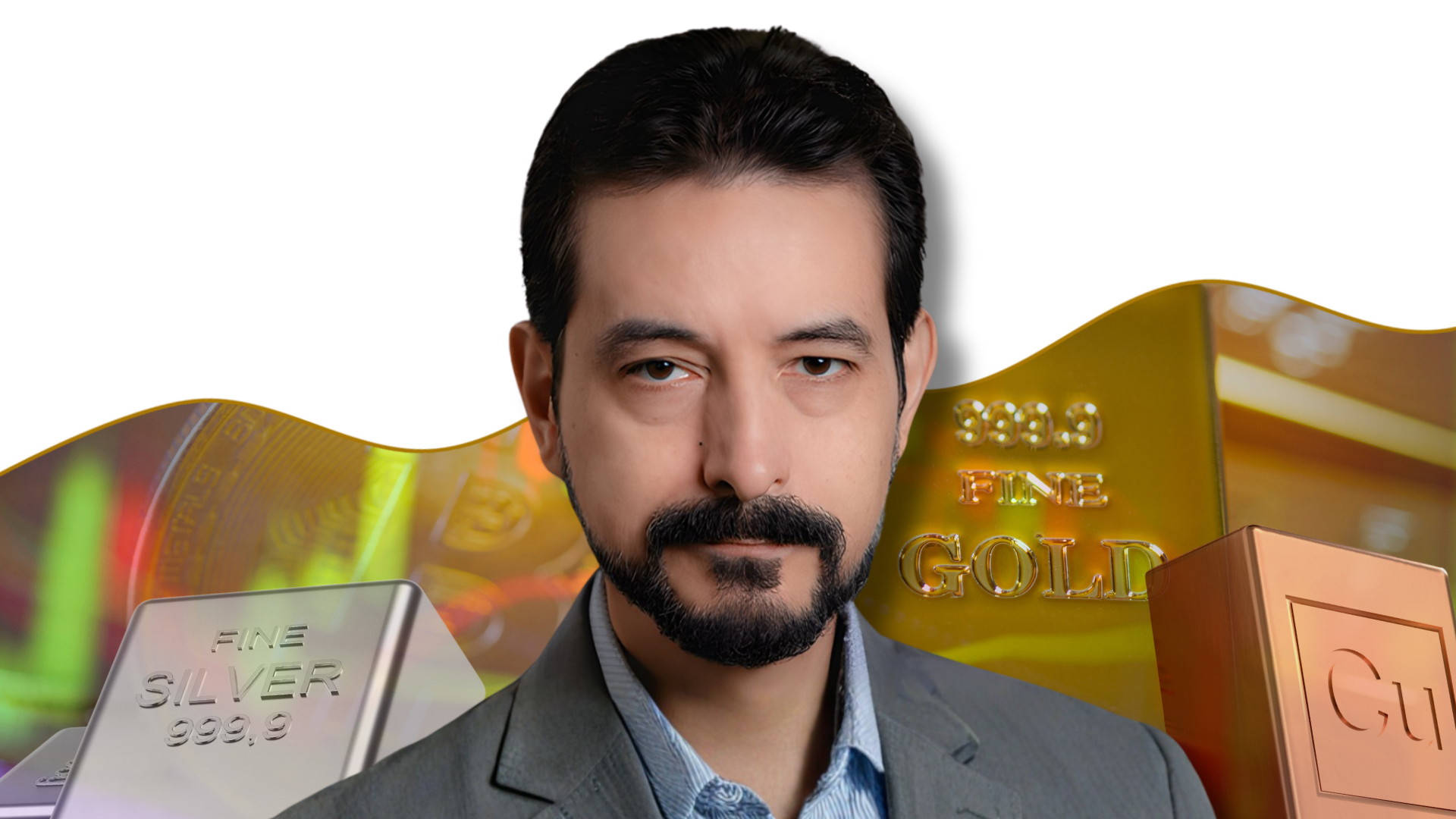

Tony Manini is a geologist turned operator and private-equity co-founder (EMR Capital, ex-Oxiana/OZ Minerals, chair of Asiamet Resources, C3 Metals, and Andina Copper). In this conversation, he walked me through his four-decade career from Sepon in Laos to turnaround investing and incubating names like NextGen Energy and now running different exploration companies. He then layed out a hard-edged framework for spotting good mining stocks early. I also got to ask him whether retail investors must “think like builders” to profit at discovery, how non-geologists can compete with process and patience, and how he’s applying the same playbook today to copper hunting in the Americas.

TLDR
- People and incentives first, rocks second.
– – – – –
Manini screens new juniors by cap table and conduct. He wants to see insiders who bought real stock with real money, hold clean options, no toxic converts. Tony also wants to see at least ~70% of the money juniors spend going into the ground, with G&A capped at ~30%. He then checks runway (12 months+ of G&A plus committed fieldwork), ownership/tenure and royalties, and only then engages the geology. The constant is alignment and discipline before assays. - Think like a probability manager, not a prophet.
– – – – –
Exploration is a venture-capital game. Tony’s job is to manage the probabilities in the game. He wants to move from 30-to-1 prospects-to-mine odds as close as possible as 10-to-1 via hard gates and definitive tests. Write the if/then plan up front, what result advances spend, what result kills it, and cut losers early. The job is structured data collection and pattern recognition, not story-telling. Success comes from running the process relentlessly, building experience, and being honest to yourself. - What qualifies as “good” early?
– – – – –
Simply put; scale, setting, and metallurgy. Start by asking yourself if the asset you’re looking into could realistically ever be a mine. Size/shape/grade in proven belts, big alteration footprints, and a jurisdiction/permitting path you can name by form number. Look for early metallurgy (deleterious elements, clay/permeability, acid consumption) and obvious showstoppers (parks/sacred lands, power/water/road fantasies). Winners present clear binary catalysts within 6 to 12 months and a credible buyer list from day one. As a rule of thumb (yes, there are exceptions), success either comes within a reasonable period of time, or it doesn’t come at all. - You don’t have to be a geologist to make money, if you run the process.
– – – – –
But I’m not a geo!!! According to Tony, who is a geo, non-geos can win by backing repeat teams, insisting on spend-to-ground, staying in proven provinces, and favoring underexplored land packages with mine-scale footprints. Experience combined with relentless focus is the real edge. Portfolio-thinking counts. The discovery phase is where juniors should create value, builders can take it later, so retail investors should anchor on discovery potential that looks mineable even if they never fund construction. - Valuation and downside protection.
– – – – –
At first, Tony thinks about the sum of the parts and a potential entry price. Price tags matter less than what you’re buying. Third-party earn-ins, multiple targets in strong belts, and shovel-ready or already-intersected systems can underwrite higher market caps. Manini frames it as asymmetric bets. Protect the downside with quality and stage, seek upside via M&A probability, and remember that entry valuation is your best risk control. His own arc, from CRA/Rio Tinto to Oxiana/OZ (Sepon, Prominent Hill), Tigers Realm’s mixed outcomes, NextGen seeding, and EMR’s turnaround PE, reinforces a rules-based approach, informed by the books “Thinking in Bets” and “Quit”, as well as the old Rio Tinto mantra-like checklist; size of the prize, cost of the test, chance of success.
VERY IMPORTANT WARNING
Please note that although none of the companies mentioned herein have paid Resource Talks for the creation of this content, this website is a business that charges for the creation and publication of content. This means there will always be a potential conflict of interest which means you can never rely on anything said herein.
By consuming this content, you acknowledge that Resource Talks and/or its affiliates and/or their personnel may own, have owned, or will own interests in and/or may have a business relationship with some or all companies/entities mentioned/featured in this publication. You further acknowledge that entities which may be referenced or featured in this publication or their related parties may hold an interest in Resource Talks or its affiliates, which may create further conflict of interest.
The information provided herein is general & impersonal in nature and meant for entertainment purposes only. The reader acknowledges and agrees that the information does not constitute a solicitation of an offer to buy or sell any security or instrument or to participate in any trading strategy. The author is not a licensed investment advisor. He is just another talking head on the internet. He might own shares of companies mentioned in this publication. Always assume he doesn’t know much more than a potato does. The mining & exploration space is among the riskiest sectors to invest in. The risk of anything mentioned in this publication is 100% loss of capital. If you don’t read the official documents provided by the company on http://www.SedarPlus.ca, you will lose all of your money.