
Sovereign Metals is quietly carving out a major position in the global mining landscape. Their flagship project, located in Malawi, is currently the largest known rutile deposit on the planet. Rutile is a high-purity titanium dioxide mineral critical for industries like aerospace and pigments. What makes this project even more intriguing is that graphite, a key mineral for electric vehicle batteries, is also present as a byproduct.
It’s always tricky for junior mining companies, especially with projects of this scale. But our fundamentals are incredibly strong, and with Rio Tinto on board, we have significant credibility. Even if Rio decides not to become the operator, Sovereign itself stands a very good chance of raising the capital.
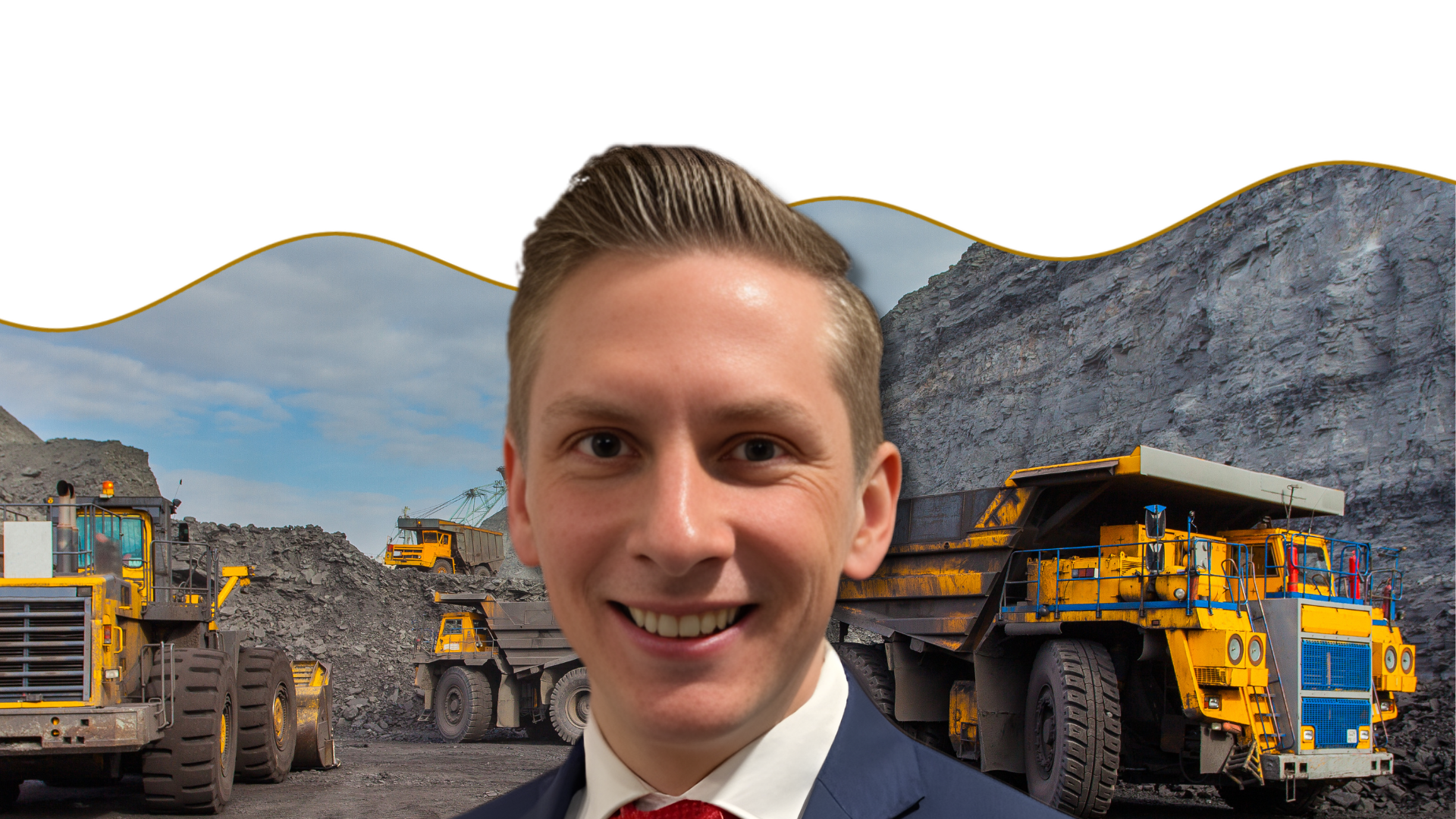
Frank Eager, CEO Sovereign Metals
Frank Eager, Sovereign’s CEO, provided a candid and insightful look into the company’s progress, challenges, and vision for the future. Despite being a relative newcomer in his position, having taken over just under a year ago, Eager’s pragmatic approach comes through clearly in the conversation.
“Graphite comes out as a byproduct. Essentially, our cost to produce graphite is probably about a quarter of the industry average. We’ve got Rio Tinto as a strategic investor. We’ve got multiple off-take agreements for our rutile with major companies from the U.S. and Japan. That puts us in a very strong position,” Eager said.
The numbers behind the project are striking. Our project has an estimated net present value (NPV) of $1.7 billion, with an expected annual EBITDA of over $400 million. Sovereign has a clear target: becoming the lowest-cost producer of both rutile and graphite globally.
But challenges remain. The estimated initial capital expenditure for the project is around $600 million, a daunting figure for any junior mining company, particularly one with a current market capitalization of only around $365 million. When asked about closing this gap, Eager didn’t sugarcoat the reality but remained optimistic.
“It’s always tricky for junior mining companies, especially with projects of this scale. But our fundamentals are incredibly strong, and with Rio Tinto on board, we have significant credibility. Even if Rio decides not to become the operator, Sovereign itself stands a very good chance of raising the capital,” he said.
In July, Rio Tinto exercised its option to increase its stake in Sovereign to just under 20%. This signals not only a vote of confidence in the project but also adds weight to Sovereign’s ability to navigate the significant capital requirements ahead. However, while Rio has the option to take over as operator, it remains uncertain whether they will ultimately do so.
One of the crucial questions for any project of this size is its operational feasibility, particularly in a relatively underdeveloped jurisdiction like Malawi. Eager, who spent his first year with the company on the ground in Malawi building relationships, expressed confidence in the region.
“Malawi is incredibly supportive. Mining, tourism, and agriculture are three of the main pillars of their economic growth strategy. We’ve got great relationships with the government, and we’ve made a lot of progress on permitting and environmental approvals,” Eager explained. He pointed out that two other mining companies in Malawi, Lotus and Mkango, have recently signed mining development agreements with the government, which bodes well for Sovereign’s ability to secure similar terms.
The company’s dry mining trial has been a critical step in proving the viability of its extraction methods. “We’re doing things at a scale that you don’t normally see with a junior company,” Eager noted. The trial, which involved moving 300,000 tons of material, provided valuable data that will inform the company’s definitive feasibility study, expected to be completed by late 2025.
Eager also highlighted the importance of environmental and social considerations, something increasingly critical for mining companies operating in developing nations. Sovereign has undertaken significant community engagement efforts, including a conservation farming initiative that has helped local farmers increase their maize yields by over 350%.
“This is something we’re very proud of. It’s not just about the minerals. We’re working to create long-term economic benefits for the region,” he said.
When pressed on the likelihood of Sovereign being the company to build and operate the project versus being acquired, Eager remained philosophical.
“It’s an asset of global significance. With Rio Tinto owning 19.9%, it’s hard to imagine they wouldn’t want to own more of it. But we’re preparing to move forward regardless. We’ve got a strong owners’ team, cash in the bank, and we’re hitting our milestones,” he explained.
The interview closed with a brief discussion on what comes next. Sovereign is currently optimizing its pre-feasibility study, conducting in-fill drilling, and advancing discussions with potential financiers. Eager is confident that they’ll be able to secure both debt and equity financing for the project, pointing to the robust economics and interest from international development banks and governments.
As the global demand for critical minerals like rutile and graphite continues to rise, Sovereign Metals finds itself in an enviable position. The next 12 to 24 months will be critical as they move closer to a final investment decision. While challenges remain, Sovereign’s blend of a world-class asset, strategic partnerships, and focused execution makes it a company to watch in the coming years.
Sovereign Metals CEO Interview With Frank Eager
This is a very brief summary of what was a lengthy interview. Don’t rely on this summary. Watch the full interview which is linked above.
Please note that this guest has not paid for the creation of this content. The Resource Talks interview rules are simple.
The companies, albeit paying or non-paying, get no questions upfront, no questions off the table, and no editing rights.
The information provided herein is general & impersonal in nature and meant for entertainment purposes only. The reader acknowledges and agrees that the information does not constitute a solicitation of an offer to buy or sell any security or instrument or to participate in any trading strategy. The author is not a licensed investment advisor. He is just another talking head on the internet. He might own shares of companies mentioned in this publication. Always assume he doesn’t know much more than a potato does. The mining & exploration space is among the riskiest sectors to invest in. The risk of anything mentioned in this publication is 100% loss of capital. If you don’t read the official documents provided by the company on http://www.SedarPlus.ca, you will lose all of your money.