
READ TIME: 7 MINUTES
Collaboration is key. Riverside is intense, and I expect dedication. I’ve focused on building a strong, committed team who understand our business.
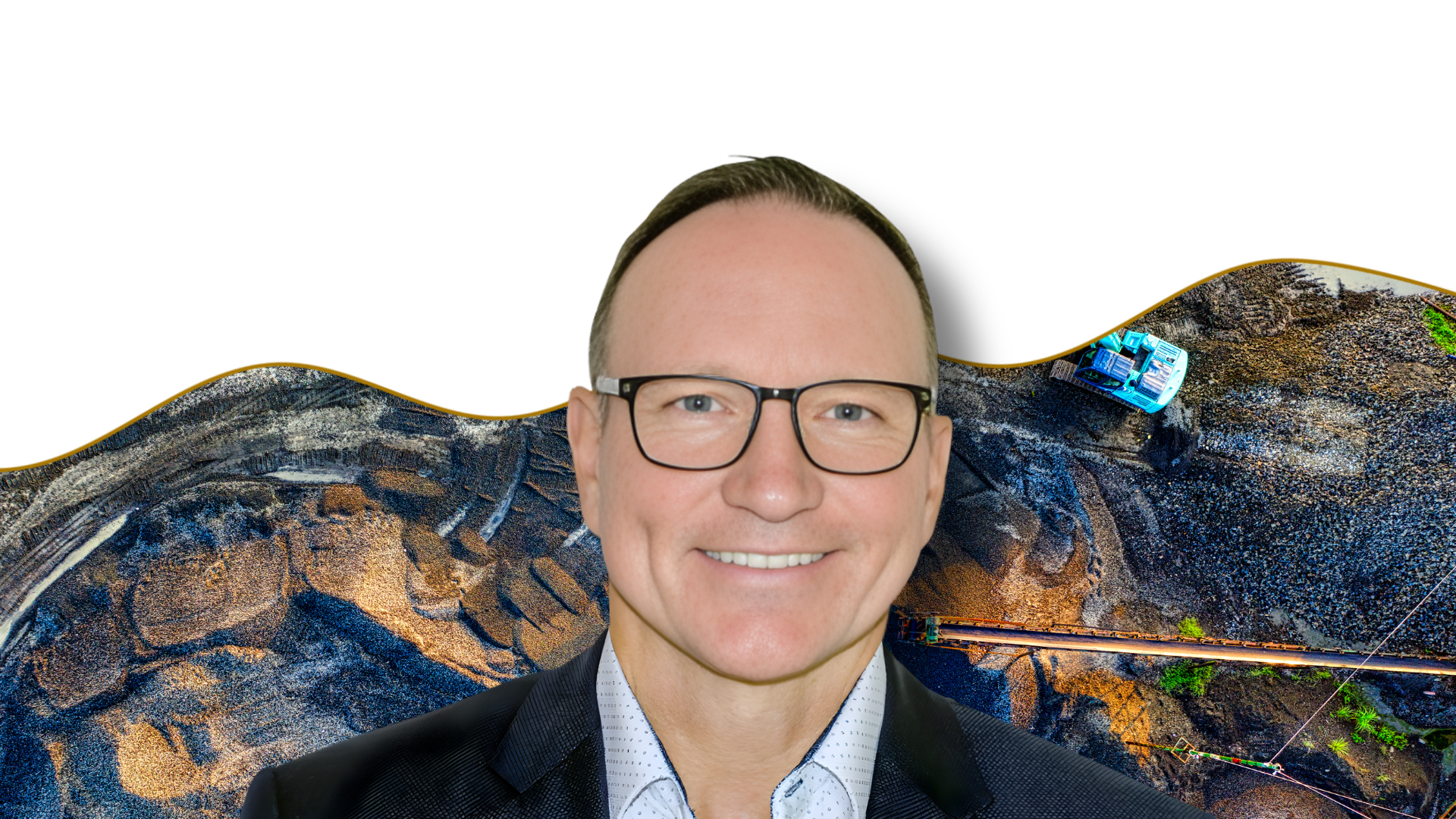
John-Mark Staude, CEO Riverside Resources (TSX-V: RRI)

Key Takeaways
- Mineral exploration is about creating value through discovery steps, not necessarily building mines.
- Transparency with investors is essential, especially regarding timelines and financing needs, to prevent misaligned expectations.
- Avoiding warrants in financing attracts long-term investors and protects shareholder value from short-term speculation.
- Strategic project selection based on feasibility, cost, and jurisdiction shields Riverside from high-cost, unviable ventures.
- Managing community expectations and navigating complex permitting are critical challenges for sustaining exploration in North America.
Why Choose Geology and Pursue a PhD?
In a candid discussion, John-Mark Staude, CEO of Riverside Resources, delves into his origins in the geology field. With a PhD from the University of Arizona, Staude explains his path to becoming a respected leader in mineral exploration. Staude notes, “I thought I’d be a professor. Both my parents were professors, so I followed in those academic footsteps initially.” However, after exposure to fieldwork with major mining companies, he shifted towards the practical side of geology, leaving academia behind for mineral exploration.
Staude’s early career work led to his involvement in the Mulatos deposit (now part of Alamos Gold), a significant step in his journey. This applied experience and his thorough study of Mexican mineral deposits laid a foundation for Riverside Resources. Despite his academic achievements, Staude avoids the formal “Dr.” title, emphasizing that “what really matters is creating value… for shareholders and for stakeholders.”
How Does a Geological Background Influence Project Evaluation?
A key insight Staude offers is the importance of an engineering mindset in geology, emphasizing that only some deposits are worth the time and investment to become mines. “I’ve looked at thousands of projects. The first question I ask is, ‘How is this going to become a mine?’” Staude believes in prioritizing deposits with a viable economic future, not just technically sound geology.
Staude also explains the specific geological attributes Riverside targets: “High-sulfidation epithermal gold systems can be game-changers.” Riverside’s exploration focus is filtered through these criteria, allowing them to focus on economically viable mineral deposits that meet Staude’s rigorous standards.
What Misconceptions Do Investors Hold about Mineral Exploration?
Staude argues that many investors misunderstand the industry. “People think we’re trying to build mines. We’re actually unlocking value.” He compares exploration to “answering an unanswered question”—investors often mistakenly believe they need to wait years for a return. But Staude emphasizes that value creation can occur within months, often hinging on the outcome of a single drill result.
Staude also addresses the distinction between investors and speculators, pointing out that many individuals think they are investing when they are speculating. “If you’re looking for quick flips, you’re not really an investor,” he asserts, highlighting the importance of long-term thinking for genuine investors in the resource sector.
Are Companies Transparent Enough with Their Investors?
A recurring issue Staude encounters is companies’ tendency to omit critical details that could affect investor decisions. “Sometimes, they don’t disclose the timeline or financing requirements, which can ruin companies by attracting the wrong investors,” he explains. Staude advocates for transparency in communicating project lifecycles, financing needs, and risks to prevent misalignments between company goals and investor expectations.
According to Staude, Riverside strives to embody transparency, utilizing a dedicated investor relations team to foster honest relationships with stakeholders. He likens his philosophy to Warren Buffett’s approach: “You’re buying a piece of a business. I want Riverside to be one of those businesses people can own in their portfolio.”
How Challenging is Capital Raising in Mineral Exploration?
Staude provides a candid view on the difficulties of raising capital in mining, especially for companies focused on long-term exploration. He describes the fundraising landscape as “80% challenging and 20% accessible” for financing, often hinging on market conditions and timing. Riverside’s strategy has been to secure financing during market highs, allowing the company to focus on creating value rather than constantly seeking funds.
Moreover, Staude critiques the industry’s reliance on warrants in financings, which he believes harm long-term shareholder value. “Warrants are detrimental. They encourage speculative investment rather than committed, long-term backing.”
How Do You Define Success in Mineral Exploration?
Riverside Resources’ long-term performance, Staude notes, reflects operational stability and prudent management. Despite fluctuations in Riverside’s share price—from 50 cents at its initial listing in 2007 to a current value around 15 cents—Staude argues that success for Riverside is multifaceted. He highlights consistent balance sheets, strategic spin-outs, and royalty gains as markers of corporate success, even if short-term market trends don’t always align with operational achievements.
“We’ve created seven companies out of Riverside,” Staude says, underscoring his focus on creating shareholder value through strategic spin-outs and joint ventures. Staude encourages investors to assess Riverside’s cumulative value rather than focusing solely on share price.
What Sets Successful Teams Apart in Mining?
Staude credits team focus and cohesion as essential elements for long-term success. Reflecting on Riverside’s operational culture, he likens it to sports teams that prioritize high-caliber talent and teamwork. “Collaboration is key. Riverside is intense, and I expect dedication,” he says. “I’ve focused on building a strong, committed team who understand our business.”
He prioritizes practical experience over academic credentials, seeking team members who can adapt to the realities of fieldwork. “I look for people who’ve been out in the field and who ask about impact, not compensation,” Staude explains.
How Does Riverside Choose Its Projects?
Staude elaborates on the criteria Riverside applies to its project selection, including jurisdictional stability, deposit type, and operational feasibility. He favors low-cost, accessible projects with economically viable deposits over high-cost, remote prospects, citing this practical approach as crucial for Riverside’s long-term strategy.
“Cost, jurisdiction, and deposit type are everything,” he says, adding that Riverside carefully assesses each project for its real-world mining potential. This disciplined approach has helped Riverside avoid “zombie projects” that burden smaller companies.
What Are the Challenges of North American Mineral Exploration?
According to Staude, community expectations and permitting requirements are significant challenges for the industry in North America. “Expectations on exploration companies are unrealistic,” he laments. The burgeoning need for environmental, social, and governance (ESG) compliance, coupled with increasing government oversight, is putting pressure on small companies, often beyond their means.
Staude believes the solution lies in clearer boundaries and open communication with communities. He stresses the need for consistency in corporate promises, especially in managing expectations with local stakeholders. “You must find communities that understand the nature of exploration and don’t expect immediate economic transformation,” he advises.
How Important is Technology in Modern Exploration?
While Staude sees technological advancements like AI as valuable tools, he remains grounded about their limitations. “AI isn’t a magic bullet,” he cautions. Riverside integrates AI to analyze data and streamline operations, yet Staude underscores that technology should augment—not replace—experienced geologists’ intuition and expertise.
“My main job is to lead the hunt. Technology can help analyze data, but it’s ultimately about where and what we’re hunting,” he explains, reinforcing that successful exploration still relies heavily on human experience and intuition.
Reflecting on Mistakes and Challenges
Reflecting on his career, Staude mentions lingering regrets, such as not pivoting from Mexico sooner due to evolving regulations. “We stayed too long,” he admits. Yet his perseverance has paid off, enabling Riverside to establish itself in Canada. Staude emphasizes that while loyalty to a jurisdiction can sometimes hinder agility, it can also lead to fruitful relationships and expertise.
Maintaining a skilled workforce has also posed challenges, particularly given Riverside’s conservative approach to compensation. “It’s hard to keep great people, but I’m proud of the success they achieve when they move on,” he reflects.
Closing Thoughts
Through this in-depth conversation, John-Mark Staude sheds light on the complexities of mineral exploration. With a commitment to transparency, prudent project selection, and a balanced approach to financing, Riverside Resources offers a model for longevity in a volatile industry. As the mining landscape evolves, Staude’s focus on unlocking value, rather than merely finding resources, provides a refreshing perspective for investors navigating the challenges of mineral exploration.
John-Mark Staude Interview
This is a very brief summary of what was a lengthy interview. Don’t rely on this summary. Watch the full interview which is linked above.
Please note that this guest has paid for the creation of this content. The Resource Talks interview rules are simple.
The companies, albeit paying or non-paying, get no questions upfront, no questions off the table, and no editing rights.
The information provided herein is general & impersonal in nature and meant for entertainment purposes only. The reader acknowledges and agrees that the information does not constitute a solicitation of an offer to buy or sell any security or instrument or to participate in any trading strategy. The author is not a licensed investment advisor. He is just another talking head on the internet. He might own shares of companies mentioned in this publication. Always assume he doesn’t know much more than a potato does. The mining & exploration space is among the riskiest sectors to invest in. The risk of anything mentioned in this publication is 100% loss of capital. If you don’t read the official documents provided by the company on http://www.SedarPlus.ca, you will lose all of your money.