
READ TIME: 6 MINUTES
Yes, most BC porphyries don’t work at $4 copper. But NAK isn’t typical. We’re seeing better grades and near-surface mineralization, which makes the economics far more compelling.
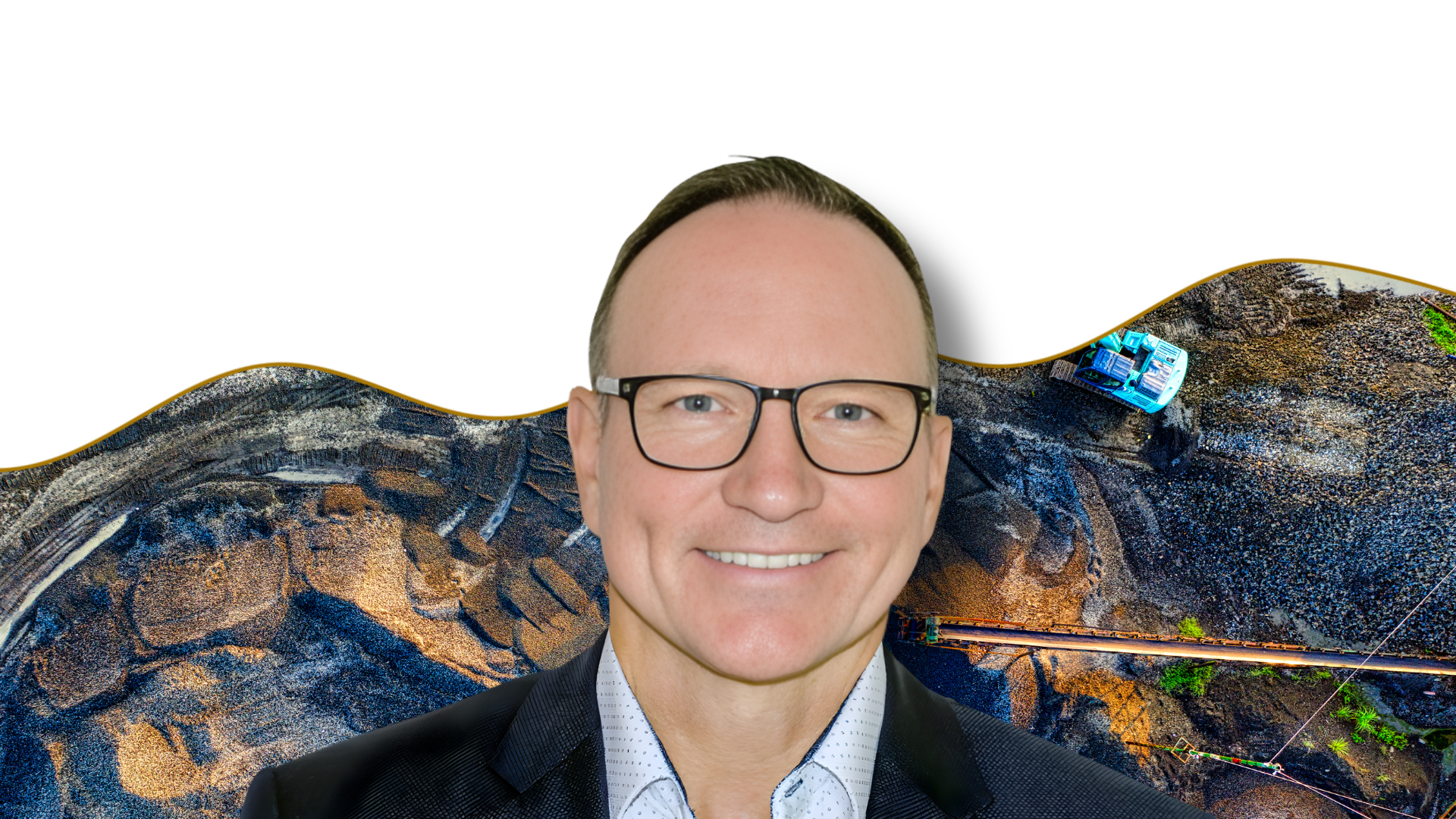
Antohny Moreau, CEO American Eagle Gold Corp (TSX-V: AE)
Key Takeaways
- 1. Strategic Deal Structure: American Eagle Gold secured a $29 million investment from South32 with no royalties, warrants, or rights of first refusal, preserving long-term value and flexibility.
- 2. NAK’s Unique Potential: The NAK project stands out for its promising high-grade zones, infrastructure advantages, and potential to rival BC’s top porphyries.
- 3. Strong Partnerships: With both Teck and South32 as major shareholders, competitive tension adds credibility and attracts further interest in the project.
- 4. Focused Exploration: The company plans to drill 75,000 to 100,000 meters over the next three years, targeting the North Zone while exploring peripheral targets.
- 5. Investor Growth Story: Despite a stock rally, the company believes in significant upside potential, likening its trajectory to industry success stories like Snowline Gold.
Summary
American Eagle Gold has secured a $30 million investment from South32, structured without royalties, warrants, or rights of first refusal, ensuring flexibility for future growth. The company plans to use the funds to execute a three-year, 75,000 to 100,000-meter drill program at its NAK project in British Columbia, targeting high-grade zones and testing the scale of the porphyry system. With backing from both South32 and Teck Resources, American Eagle aims to capitalize on NAK’s infrastructure advantages and geological potential while navigating BC’s regulatory and First Nations landscape through proactive relationship-building. As the company awaits assay results, it emphasizes disciplined spending and the long-term value of its exploration strategy.
How Did a Deal Without Warrants, Fees, or Royalties Come Together?
South32’s $30 million investment in American Eagle Gold stands out not only for its size but also for its structure. “No warrants, no royalties, no board seats. This was pure equity,” Moreau emphasized, describing the disciplined approach that guided the deal. “These things don’t happen overnight. South32 spent five months in the data room and visited our NAK project twice. They made an informed decision.”
The deal also adhered to strict rules that Moreau’s team refuses to compromise on: no asset-level deals, no warrants, and no rights of first refusal (ROFR). “ROFRs are deal killers,” Moreau explained. “They scare off other buyers and limit your options.”
Timing played a pivotal role. With just $8 million in the bank, American Eagle faced the prospect of raising capital at unfavorable terms if they delayed. “A bird in the hand is worth two in the bush. Taking this deal now meant we avoided future dilution and secured funds to execute our drilling plans.”
Why Did South32 Choose NAK?
South32’s decision to invest in NAK reflects a strategic bet on copper and stable jurisdictions. “If you’re serious about copper, you want to be in Canada, the U.S., or Australia,” Moreau said, citing geopolitical risks in other regions.
The NAK project’s potential also set it apart. “South32 was betting on the visuals they saw from hole 35 and the property’s potential scale. They didn’t want to wait for assays and risk competing with bigger players like Rio Tinto and Freeport,” Moreau noted.
Could This Deal Create Tension Between Teck and South32?
American Eagle’s partnership with two major mining companies—Teck Resources and South32—raises questions about potential conflicts.
Moreau dismissed these concerns, emphasizing transparency. “Only three people knew about the deal before it was announced. The first call I made after signing was to Teck to explain why we did it and how it benefits all shareholders.”
Far from creating friction, Moreau sees the presence of both majors as a strategic advantage. “It’s competitive tension, not conflict. It brings credibility and attention to the project. Let them fight over us—it’s good for shareholders.”
Is BC’s Regulatory Landscape a Problem?
Critics, including Dr. Nicole Adshead-Bell, have questioned the viability of mining in British Columbia due to regulatory and First Nations challenges. Moreau offered a nuanced perspective. “BC has over 200 First Nations, each with its own history and priorities. Building relationships is key. From day one, we’ve been in regular communication with the Lake Babine Nation.”
Moreau also pushed back against claims that BC porphyries are uneconomic at current copper prices. “Yes, most BC porphyries don’t work at $4 copper. But NAK isn’t typical. We’re seeing better grades and near-surface mineralization, which makes the economics far more compelling.”
How Will the $37 Million Be Spent?
American Eagle plans to drill aggressively over the next three years, targeting 75,000 to 100,000 meters in total. “We’re prioritizing 25,000 to 30,000 meters annually, focusing on both high-grade zones and large step-outs to prove the project’s scale,” Moreau explained.
The company’s North Zone, where drill holes 33 and 35 revealed promising results, will be a key focus. “That’s where I believe the jewel box is,” Moreau said. Meanwhile, the South Zone remains important for its near-surface, high-grade mineralization.
Thanks to BC government rebates, every dollar spent on exploration stretches further. “For every $1 we spend on drilling, we get $0.30 back. That $37 million turns into nearly $50 million of effective spending power,” Moreau noted.
What Sets NAK Apart in the Copper Landscape?
NAK benefits from exceptional infrastructure, including road access and nearby power, reducing logistical challenges. “Projects like Galore Creek will cost twice as much to build as NAK,” Moreau said.
Geologically, NAK is also unique. “We’ve hit veins of bornite and chalcopyrite in previously unexplored areas. There could be multiple jewel boxes here, and we’re only scratching the surface,” Moreau said, referencing new mineralization discoveries around the project’s porphyry stock.
How Does American Eagle Keep Costs Low?
American Eagle’s affiliation with the Ore Group allows it to share resources and keep general and administrative (G&A) costs low. “Our burn rate is about $700,000 annually, and we offset most of that with interest income from cash on hand,” Moreau explained. “By sharing resources, we save up to $500,000 annually—enough to drill an extra hole.”
Is There Still Upside for Investors After the Stock’s Rally?
American Eagle’s stock has tripled this year, leading some investors to wonder if the opportunity has passed. Moreau argued otherwise. “We took investors from two cents to over $0.90 in two years. Don’t underestimate where we can go from here,” he said.
Moreau pointed to examples like Snowline Gold and NGEx, which grew from $10 million valuations to over $750 million. “At $100 million market cap, we’re just getting started. If we keep delivering results, the growth potential is enormous.”
What’s Next for American Eagle Gold?
With pending assay results and a fully funded drill program, 2024 will be a defining year. “Our goal is to drill deeper into the North Zone, test peripheral targets, and deliver high-grade results that attract more institutional investors,” Moreau said.
The company plans to start its next drill program in the spring, with a focus on extending high-grade zones and testing the scale of the porphyry system. “We’re in a great position with $37 million in the bank and the support of two major partners. Now it’s about execution.”
American Eagle Gold CEO Interview With Anthony Moreau (TSX-V: AE)
This is a very brief summary of what was a lengthy interview. Don’t rely on this summary. Watch the full interview which is linked above.
Please note that this guest has paid for the creation of this content. The Resource Talks interview rules are simple. The companies, albeit paying or non-paying, get no questions upfront, no questions off the table, and no editing rights.
The information provided herein is general & impersonal in nature and meant for entertainment purposes only. The reader acknowledges and agrees that the information does not constitute a solicitation of an offer to buy or sell any security or instrument or to participate in any trading strategy. The author is not a licensed investment advisor. He is just another talking head on the internet. He might own shares of companies mentioned in this publication. Always assume he doesn’t know much more than a potato does. The mining & exploration space is among the riskiest sectors to invest in. The risk of anything mentioned in this publication is 100% loss of capital. If you don’t read the official documents provided by the company on http://www.SedarPlus.ca, you will lose all of your money.