
READ TIME: 6 MINUTES
What shareholders want is value. Our diversified approach reduces risk, and the right discovery can pay for all our efforts. It’s about positioning ourselves to capture that upside, even if it means balancing several projects.
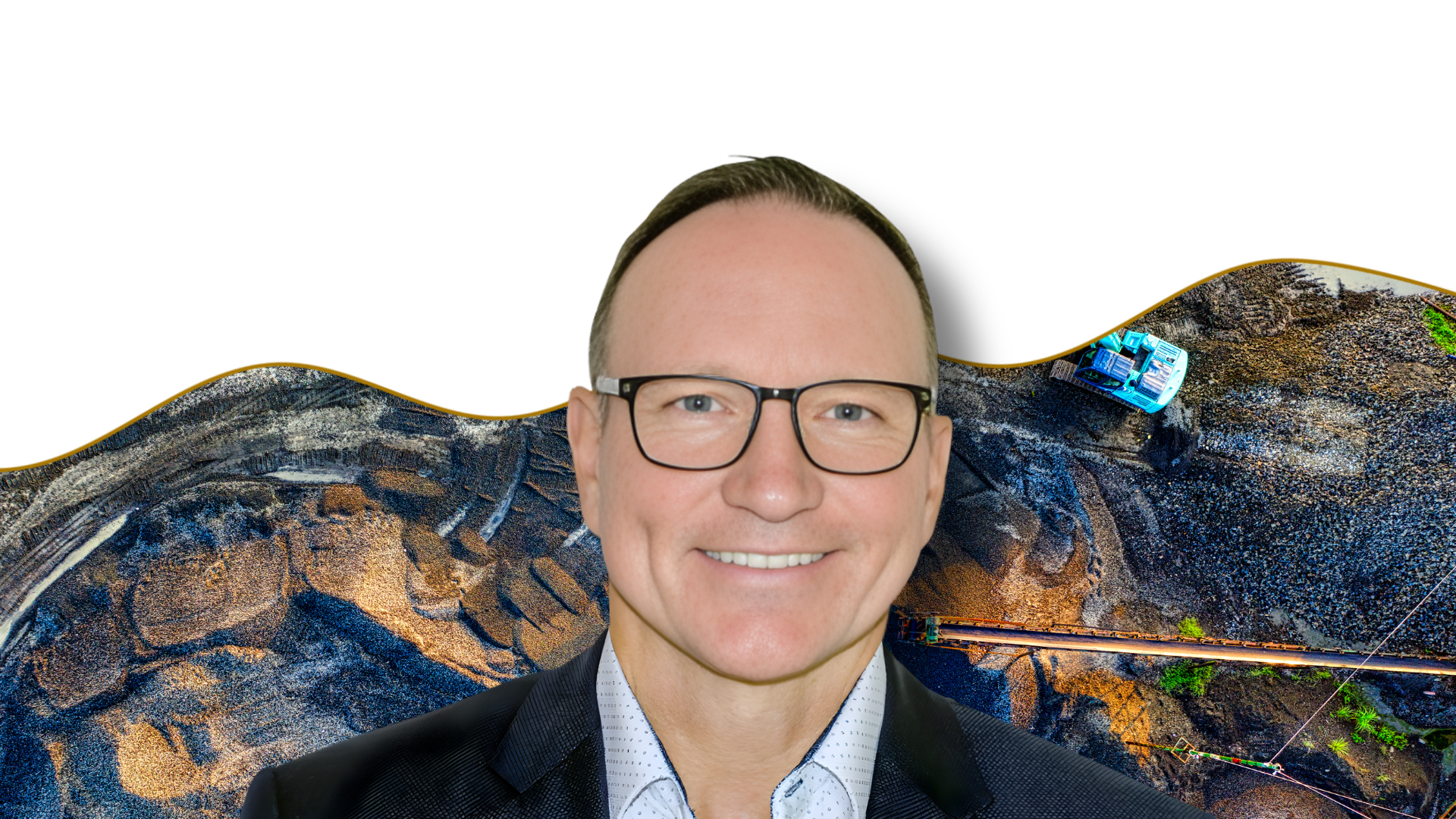
Jean-Marc Lulin, CEO Azimut Exploration (TSX-V: AZM)
Key Takeaways
- – Azimut’s diversified portfolio approach aims to mitigate exploration risks by advancing multiple high-quality projects across different metals.
- – The recent high-grade nickel discovery shows early promise, with regional parallels to Western Australia’s rich Kalgoorlie camp, though it awaits drilling confirmation.
- – Azimut’s new antimony find, with significant grades and a possible gold component at depth, could benefit from current high antimony demand but may face recovery challenges.
- – The Galin lithium project, adjacent to Winsome’s Adina, offers strategic potential for consolidation in a growing lithium district.
- – Azimut’s commitment to shareholder value includes strict dilution control, making them one of the few juniors with a balanced capital structure and significant upside potential.
Introduction:
Azimut Exploration, headed by CEO Jean-Marc Lulin, has maintained a steady focus on Quebec’s James Bay region, accumulating an impressive portfolio of lithium, nickel, gold, and recently, antimony projects. Azimut’s diversified approach is unique within junior exploration, aiming to mitigate risk by balancing multiple assets instead of focusing on a single discovery. The company’s advancements have piqued investor interest, particularly following recent high-grade nickel and antimony finds. In a detailed conversation with Azimut’s CEO, Jean-Marc Lulin, the rationale behind this multifaceted strategy is explored.
What Sets Azimut Exploration Apart in a High-Risk Exploration Sector?
According to Jean-Marc Lulin, “Mineral exploration is inherently risky, so we improve our odds by managing multiple projects and commodities.” For over 30 years, Azimut has honed its expertise in Quebec, compiling a portfolio of more than 50 projects with a strategic emphasis on diversification. The objective, Lulin explained, is to create value for shareholders while spreading risk across a range of commodities.
Azimut’s approach, says Lulin, “is all about managing the business risk in exploration through multiple avenues, including strategic partnerships.” With significant stakes from major players like Newmont and Soquem, Azimut balances its drilling responsibilities, choosing to retain complete control only on the most promising assets.
Is Azimut’s Nickel Discovery a ‘True Discovery’ or an Early Assumption?
In September, Azimut announced a new nickel discovery with an initial sample grading nearly 3% nickel. Known for his reserved demeanor, Lulin doesn’t make premature claims lightly. So, what makes this surface discovery significant?
“We’re not just dealing with grab samples,” Lulin noted. “We’re seeing channel samples with substantial thickness, and when we have continuity of 3% nickel over 8 meters, that’s a promising sign.” Supported by electromagnetic survey data and a strong geochemical footprint, this nickel project could be transformative for the company if the drilling phase confirms continuity at depth.
The nickel discovery also has compelling regional parallels to Western Australia’s Kalgoorlie camp, known for its high-grade nickel deposits. “We’re not suggesting it’s Kalgoorlie,” Lulin clarified, “but from a geochemical perspective, the similarities in nickel-to-copper ratios and the presence of PGE make it worth further investigation.”
How Reliable is a Surface Nickel Discovery in Predicting Depth Potential?
As with any surface discovery, the risk exists that the mineralization might not extend at depth. Lulin acknowledges this but remains optimistic. “Our initial results show continuity along strike,” he explained, “and while we’re only at surface now, the channel sample results support deeper potential.” Drilling is slated to begin within weeks to assess depth continuity, with an initial 2,000-meter program planned. A conservative approach, Lulin emphasized, would allow Azimut to “confirm at a manageable cost before expanding the drill campaign.”
The Value and Challenges of Azimut’s High-Grade Antimony Discovery
Just as Azimut’s nickel discovery caught the market’s attention, the recent announcement of a high-grade antimony find has generated further interest. With antimony now in high demand due to its industrial applications, including flame retardants and energy storage, this project may be well-timed for development.
“This isn’t just an isolated sample,” Lulin clarified. “We have continuity across 14 meters with grades up to 3.9% antimony.” While the antimony system coexists with gold, it remains unclear how the two metals might interact at depth. Azimut plans to investigate this in the upcoming drilling phases. However, antimony recovery rates and gold interaction could present metallurgical challenges.
How Will Metallurgical Complexities Affect Project Viability?
Lulin acknowledged that the antimony-gold combination could complicate recovery rates but was cautiously optimistic. “Antimony is traditionally recovered through flotation,” he explained, “but once we determine the optimal recovery method, we’ll adjust our approach as necessary.” The prospect of antimony being the main resource in the near-surface zone and gold potentially increasing at depth gives Azimut an encouraging exploration path to follow.
What’s the Strategy Behind Azimut’s Lithium Project Next to Adina?
Azimut’s Galin lithium project, adjacent to Winsome Resources’ Adina deposit, recently yielded high-grade results with promising metallurgical recovery rates. The project’s strategic location has positioned Azimut to potentially benefit from lithium’s burgeoning demand, particularly given the favorable comparisons to Winsome’s $1 billion NPV estimate for Adina.
“With Winsome progressing to the feasibility stage, our Galin property is perfectly positioned to benefit from this regional activity,” Lulin remarked. However, a logical consolidation among neighboring companies, including Azimut, could further optimize the region’s lithium resources.
The Balancing Act of Advancing Multiple Projects
Azimut’s flagship Elmer gold project, with an 800,000-ounce inferred resource, remains a core asset. Yet, balancing development across nickel, lithium, and antimony projects in addition to Elmer presents a financial challenge for the company.
When asked about this, Lulin admitted, “Managing multiple projects simultaneously is demanding, but it’s part of our strategy to minimize risk and maximize shareholder value.” Azimut’s pragmatic approach to funding has allowed it to avoid substantial shareholder dilution, a common pitfall in junior exploration.
How Does Azimut Balance Shareholder Expectations and Growth?
Azimut has maintained a disciplined approach to shareholder value by avoiding excessive dilution and working with strategic partners. With only 85 million shares outstanding, Azimut stands apart from many juniors in its capital structure, a conscious choice reflecting Lulin’s commitment to shareholder value.
“What shareholders want is value,” Lulin stated plainly. “Our diversified approach reduces risk, and the right discovery can pay for all our efforts. It’s about positioning ourselves to capture that upside, even if it means balancing several projects.”
Conclusion:
Azimut Exploration’s portfolio of projects, each with unique geochemical and structural merits, showcases the company’s technical depth and strategic foresight. Under the leadership of Jean-Marc Lulin, Azimut has cultivated a distinctive approach within the exploration industry, betting on diversification to enhance shareholder value. While the risks are evident, Azimut’s strategic positioning in the James Bay region may soon yield a critical discovery. As Lulin aptly summarized, “It’s about bridging technical success with financial success—creating wealth through our expertise.”
Azimut Exploration CEO Interview With Jean-Marc Lulin
This is a very brief summary of what was a lengthy interview. Don’t rely on this summary. Watch the full interview which is linked above.
Please note that this guest has paid for the creation of this content. The Resource Talks interview rules are simple.
The companies, albeit paying or non-paying, get no questions upfront, no questions off the table, and no editing rights.
The information provided herein is general & impersonal in nature and meant for entertainment purposes only. The reader acknowledges and agrees that the information does not constitute a solicitation of an offer to buy or sell any security or instrument or to participate in any trading strategy. The author is not a licensed investment advisor. He is just another talking head on the internet. He might own shares of companies mentioned in this publication. Always assume he doesn’t know much more than a potato does. The mining & exploration space is among the riskiest sectors to invest in. The risk of anything mentioned in this publication is 100% loss of capital. If you don’t read the official documents provided by the company on http://www.SedarPlus.ca, you will lose all of your money.