
Borealis Mining (TSX-V: BOGO) is a Nevada-focused gold developer built around restarting the Borealis oxide heap-leach mine and advancing the Sandman gold project as a second operation. Borealis is at restart / early production stage using existing plant and permits, while Sandman is at PEA stage with an update and PFS planned. This conversation focused on Borealis’ restart plan, the Nevada “hub-and-spoke” growth model, funding and dilution, key technical and permitting risks, and more.
- 1. Progress
Borealis has started commissioning by crushing and leaching a 327,000 short ton oxide stockpile at Borealis, completed two gold pours (September and early November), expects one or two more this year, and estimates up to 4,000 recoverable ounces at approx 70% recovery from this material. The team has used this to ‘debug’ the operation (leach breakthrough, clay-related crushing issues, plant and pad repairs) so no new pre-production capex is needed for restart. On the balance sheet and permits, the company has brought in about C$9 million from warrant exercises, lifted cash, increased its reclamation bond to approx US$13.5 million with a modified permit, and is updating the 2023 Sandman PEA while also doing a little bit geological work at both projects. - 2. Money
CEO Kelly Malcolm reports “better than” C$12 million in cash, no debt, and says the company is fully funded for the Borealis restart under the current plan, with essentially no new pre-production capex because major upgrades are already done. The main requirement is about US$5 million of working capital to bridge the 2-month gap between contractor mobilization and meaningful production, partly offset by stockpile revenue. G&A was roughly C$2.5 million and is expected to rise to about C$3.5 million in 2026, marketing is budgeted at C$1 million, the reclamation bond is US$13.5 million (mostly via surety), and near-term Sandman spending is confined to studies and technical work. - 3. Catalysts
Key upcoming catalysts are formal production and cost guidance for Borealis (expected December or early January), additional stockpile-related gold pours, and the outcome of the contractor tender, with mobilization targeted in January and a first production blast tentatively in February 2026. At Sandman, an updated PEA is expected before year end, and the launch of a PFS should begin shortly after that (including new metallurgical drilling), as well as the submission of mining permit applications around early Q2 2026, with Kelly targeting mid-to-late 2027 for potential approvals and construction decision at Sandman. A very-much-needed compliant resource and economic update for Borealis is planned for 2026, which would replace the historic 2011 PFS. - 4. Risks & Challenges
According to Mr. Malcolm, near-term risks include managing clay-rich material that has already cut crushing rates roughly in half from initial expectations, and ensuring heap-leach performance and recoveries hold up at scale as fresh ore replaces stockpile material. There is execution risk around contractor performance and schedule, as delays or cost overruns could push the Q1 2026 restart and strain the estimated US$5 million working-capital bridge, with some additional weather risk from a winter restart. Financially, higher costs or slower ramp-up could force an earlier equity raise despite current cash. Structurally, investors Kelly has spoken to, ask about the lack of a current compliant Borealis resource/economic study, unresolved metallurgy and permitting at Sandman, and an implied risk of future dilution if acquisitions and longer-term sulfide development are pursued.
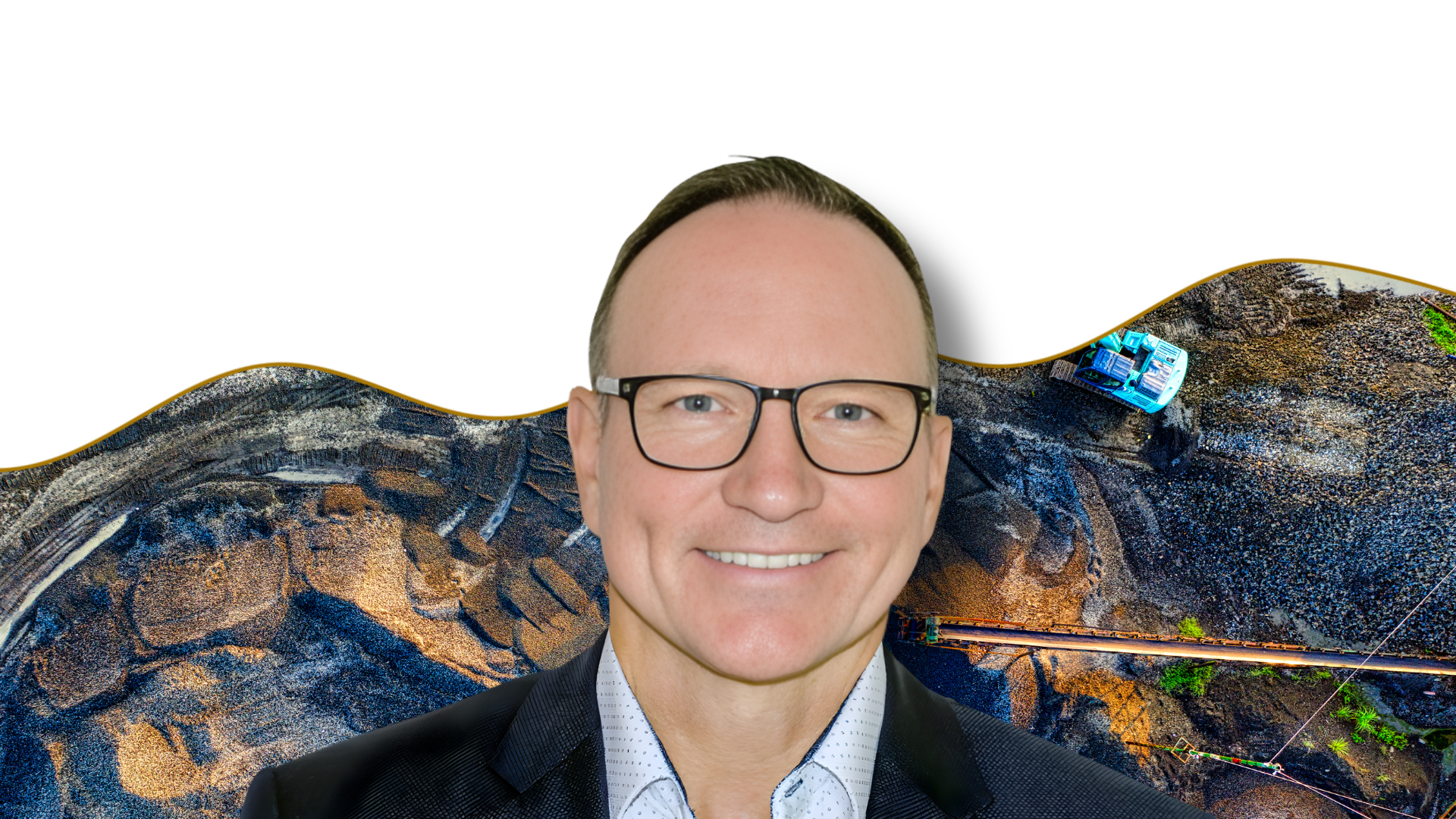
Borealis Mining CEO Interview With Kelly Malcolm
VERY IMPORTANT WARNING
Please note that Borealis Mining has not paid Resource Talks for the creation of this content, this website is a business that charges for the creation and publication of content. This means there will always be a potential conflict of interest which means you can never rely on anything said herein.
By consuming this content, you acknowledge that Resource Talks and/or its affiliates and/or their personnel may own, have owned, or will own interests in and/or may have a business relationship with some or all companies/entities mentioned/featured in this publication. You further acknowledge that entities which may be referenced or featured in this publication or their related parties may hold an interest in Resource Talks or its affiliates, which may create further conflict of interest.
The information provided herein is general & impersonal in nature and meant for entertainment purposes only. The reader acknowledges and agrees that the information does not constitute a solicitation of an offer to buy or sell any security or instrument or to participate in any trading strategy. The author is not a licensed investment advisor. He is just another talking head on the internet. He might own shares of companies mentioned in this publication. Always assume he doesn’t know much more than a potato does. The mining & exploration space is among the riskiest sectors to invest in. The risk of anything mentioned in this publication is 100% loss of capital. If you don’t read the official documents provided by the company on http://www.SedarPlus.ca, you will lose all of your money.