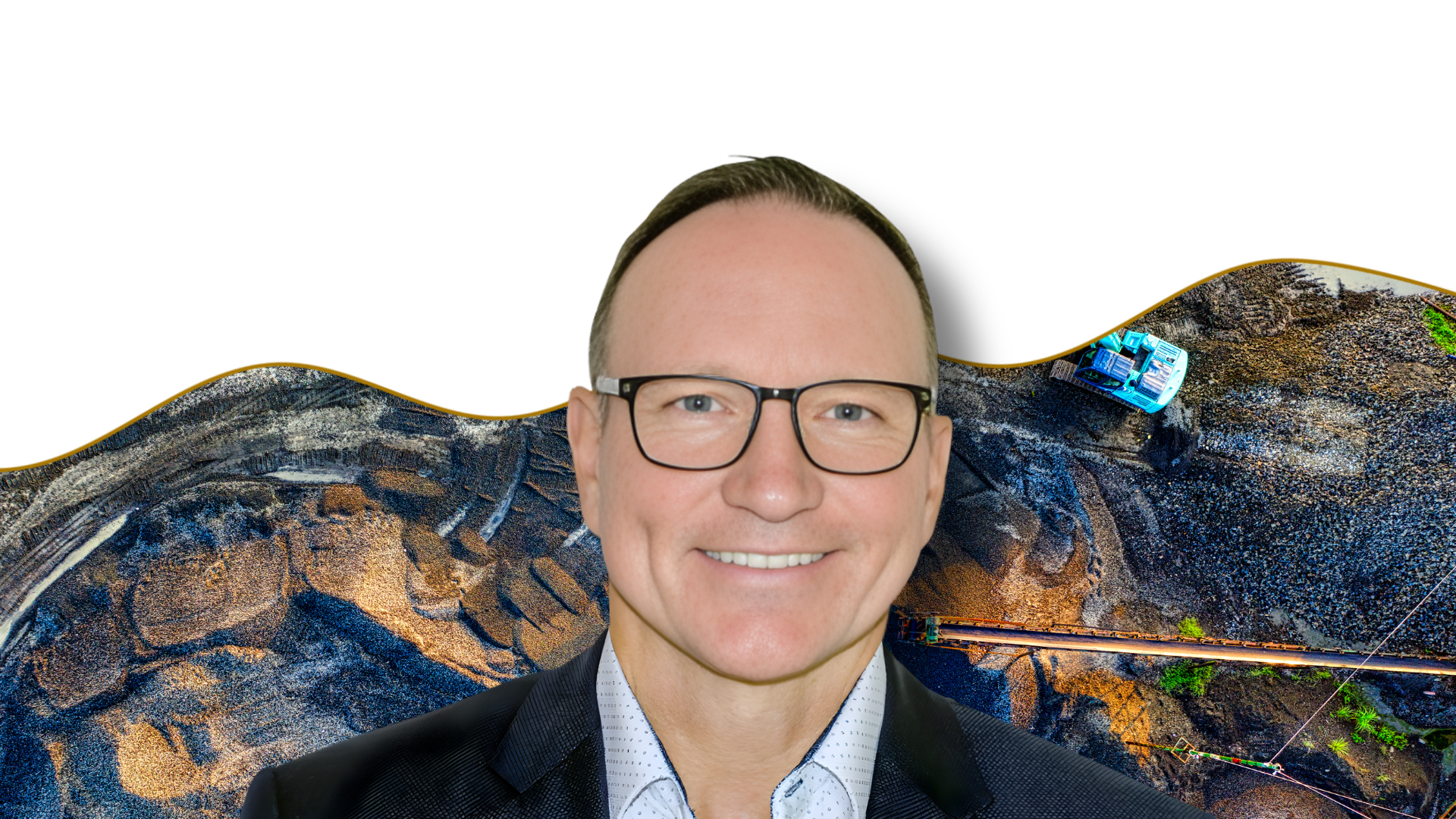

This is an interview with Angkor Resources, an oil & gold exploration company now focused on Cambodia. CEO Weeks told me there are three pillars to their story: an onshore oil and gas production sharing contract area, plus two mineral licenses covering gold prospects and a copper-gold porphyry target. The main things we discussed in this interview were skin in the game, track record, strategy, funding, upcoming work, and the risk of operating in Cambodia.
TLDR;
Delayne said they sold their Canadian oil-producing assets to remove $4 million of debt and net about $1 million, with about $700,000 due by March 1 and a couple hundred thousand currently in the bank. Near-term work includes gold trenching, gold drilling in the next couple of months, and pending assays from deeper parts of hole nine taking several weeks. CEO Weeks also said they hope to be back drilling around end of Q1 2026 after border conflict disruptions. She described oil drilling as requiring about $50 million, intended to be funded through partners rather than parent-company equity, and she’ll aim to have a funder in place by end of Q1 2026. They also anticipate a private placement within about 60 days.
- What have you done for shareholders lately?
— — —
Angkor recently closed the sale of their Canadian oil production, which they say is a balance-sheet cleanup and refocus on Cambodia. On the Cambodia oil side, Delayne told me they completed 2D seismic over 350 line-kilometers and defined four drill targets across multiple areas. On the minerals side, she said they took back licenses after partners failed to meet obligations, began drilling but stopped in July due to a nearby Thailand–Cambodia border conflict, and plan to resume when conditions allow.
– - How much money do they have and what are they spending it on?
— — —
CEO Weeks said they have a couple hundred thousand in the bank now and expect about $700,000 by March 1 from the Canadian sale, which she said covers general operations and supports near-term gold work. There are 2 to 3 inbound investment approaches and they may do a private placement within about 60 days at market. Some proposals would have no finder’s fee, and they would only add warrant coverage if forced, budgeting about half a warrant per share. Delayne separates overhead from project spend, which G&A at about $200,000 per month during active drilling, but that’s largely funded by the JV partner and it flows in-and-out. Corporate burn is about C$40,000 per month and Cambodia minerals burn is about US$18,000 per month when not actively exploring. Remaining debt is about $700,000 payable to the CEO on open terms, and there is a $385,000 loan with a 6-month term at 10% interest. They say they want to clear debt and avoid taking more.
– - Upcoming catalysts
— — —
Delayne said they will start trenching at the gold prospect within a week, and they plan to drill the gold area in the next couple of months. Assays from the deeper portions will take several weeks and may change the orientation of planned follow-up holes. Weeks said they hope to be rolling again on drilling in Q1 2026, subject to border conditions. They expect to have an oil drilling funder in place by end of Q1 2026, with the drilling portion described as about $50 million.
– - Risks
— — —
The most immediate risk Delayne described is operational disruption from the Thailand-Cambodia border conflict, which already stopped drilling and could delay resumption again. A second risk is reliance on partners and funders. She talked about prior partner defaults on the minerals side, and the oil plan depends on partner-led funding and a disclosed related-party overlap. There is also the usual exploration risk, which includes trenching, assays, and drilling which may not confirm what management hopes to see. Jurisdiction concentration risk is also real since they have divested Canada and are focused on Cambodia.
Angkor Resources CEO Interview With Delayne Weeks
VERY IMPORTANT WARNING
Please note that although none of the companies mentioned herein have paid Resource Talks for the creation of this content, this website is a business that charges for the creation and publication of content. This means there will always be a potential conflict of interest which means you can never rely on anything said herein.
By consuming this content, you acknowledge that Resource Talks and/or its affiliates and/or their personnel may own, have owned, or will own interests in and/or may have a business relationship with some or all companies/entities mentioned/featured in this publication. You further acknowledge that entities which may be referenced or featured in this publication or their related parties may hold an interest in Resource Talks or its affiliates, which may create further conflict of interest.
The information provided herein is general & impersonal in nature and meant for entertainment purposes only. The reader acknowledges and agrees that the information does not constitute a solicitation of an offer to buy or sell any security or instrument or to participate in any trading strategy. The author is not a licensed investment advisor. He is just another talking head on the internet. He might own shares of companies mentioned in this publication. Always assume he doesn’t know much more than a potato does. The mining & exploration space is among the riskiest sectors to invest in. The risk of anything mentioned in this publication is 100% loss of capital. If you don’t read the official documents provided by the company on http://www.SedarPlus.ca, you will lose all of your money.