
READ TIME: 10 MINUTES
Grade is king, but you’ve got to manage it right; this isn’t a one-gram blanket over 100 meters.
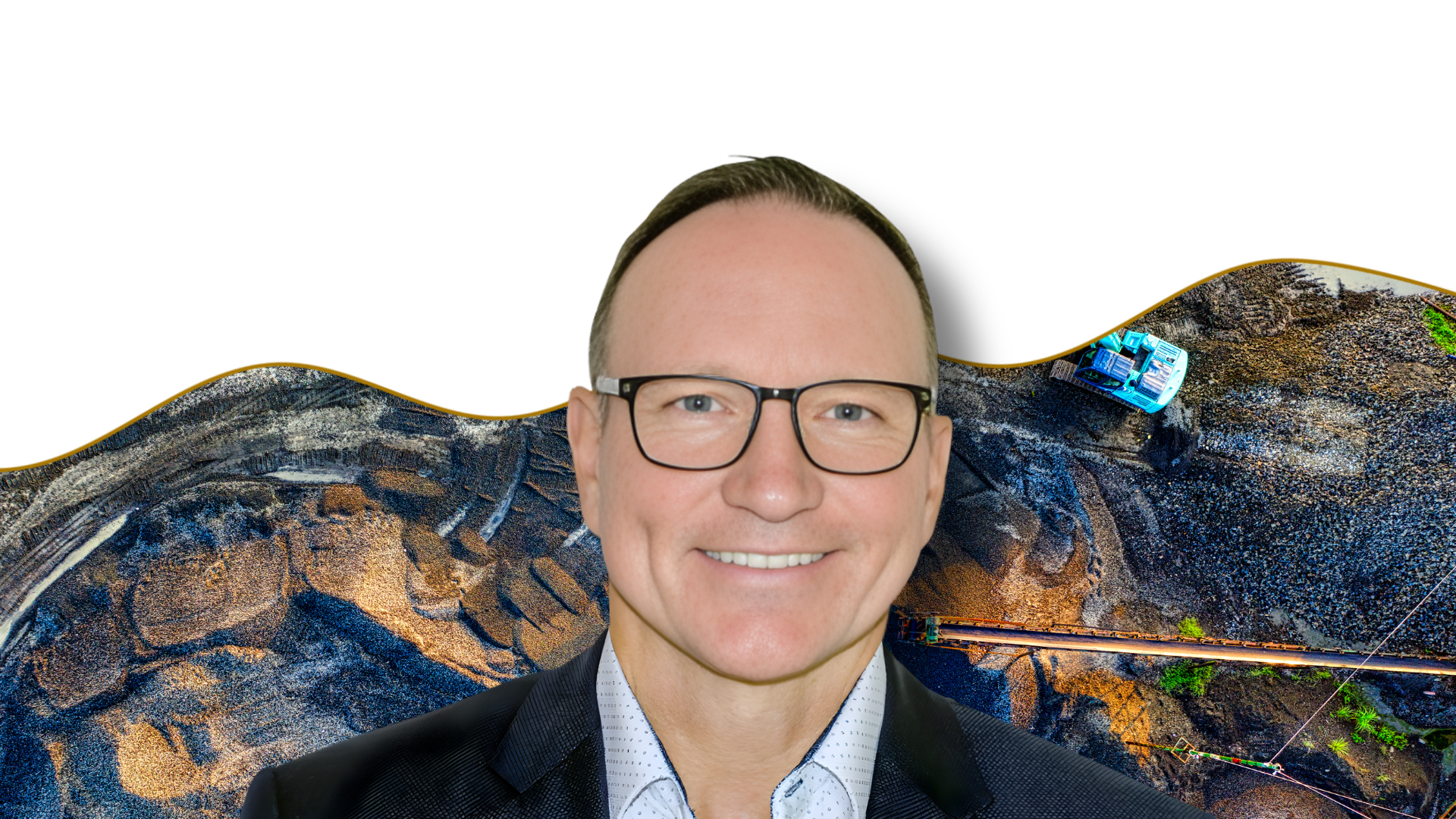
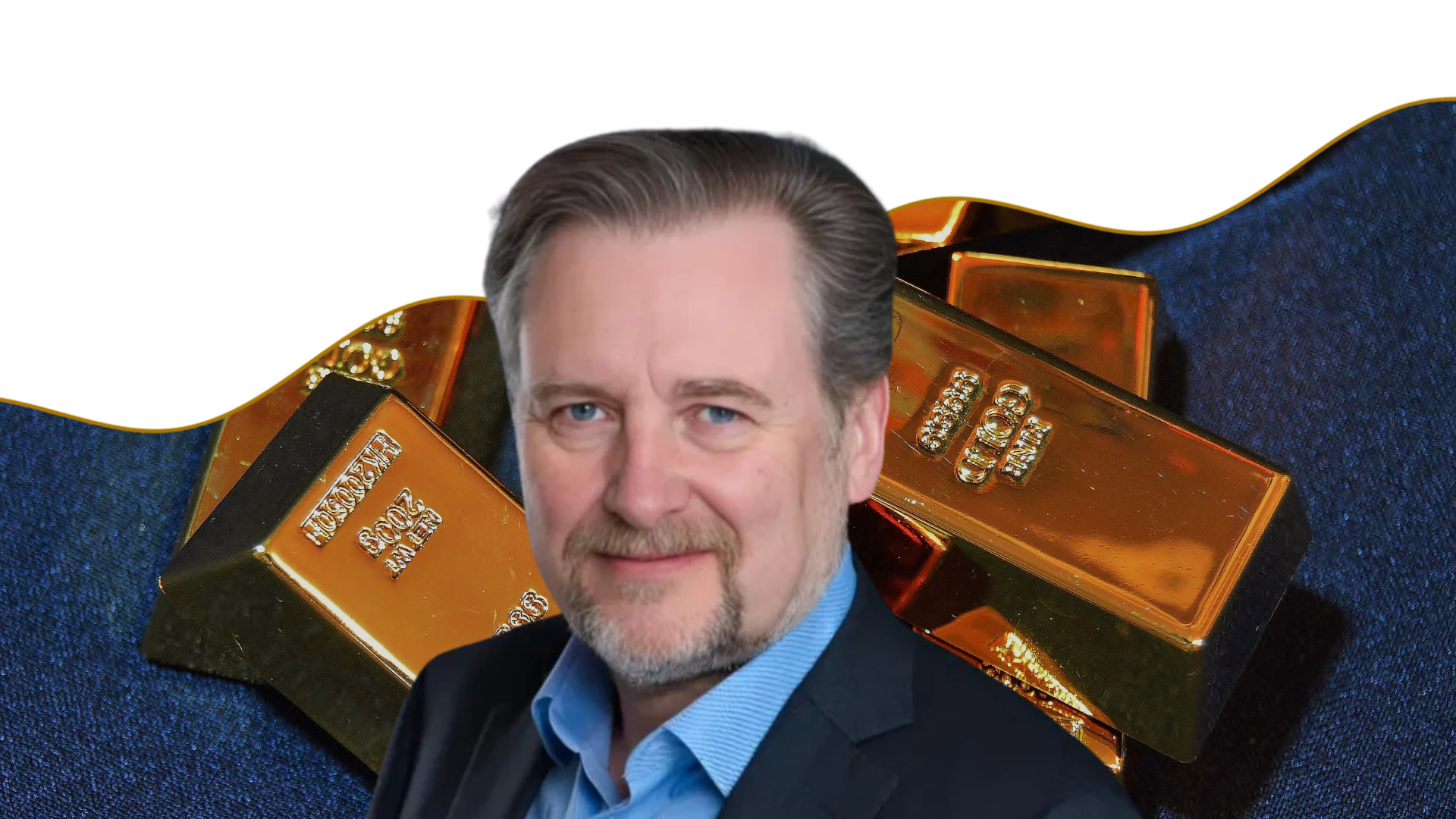
Matt Manson, CEO Radisson Mining (TSX-V: RDS)
Key Takeaways:
- Deep Resource Expansion Goals: Radisson targets a substantial resource increase at the O’Brien Project, aiming to grow from 1 million ounces to 3 million ounces through a 35,000-meter drill campaign.
- Strategic MoU with IAMGOLD: A memorandum of understanding (MoU) with IAMGOLD may facilitate ore processing at the nearby Doyon Mill, potentially reducing capital costs and expediting project timelines.
- Navigating High-Grade, Narrow Veins: The O’Brien Project’s narrow, high-grade vein system presents challenges such as grade variability and continuity but promises high-margin results.
- New Capital for Exploration: Radisson’s $7 million raise exceeds initial targets, supporting ongoing exploration, corporate costs, and future project development.
- Quebec’s New First Nations Consultation Framework: The province’s updated guidelines on First Nations engagement add regulatory steps but enhance project transparency and community involvement.
What Is Radisson Mining’s Strategy for Growth at the O’Brien Gold Project?
Radisson Mining Resources Inc. has positioned itself firmly within Quebec’s Abitibi Greenstone Belt, a prolific gold-producing region with over a century of output and more than 25 million ounces produced. Radisson’s flagship O’Brien Project, situated along the Cadillac-Larder Lake Break, hosts a 1 million-ounce gold resource, split between inferred and indicated categories. CEO Matt Manson, who joined in July, has an ambitious target of at least 3 million ounces and has initiated a substantial 35,000-meter drill program to advance the project’s resource potential. The project’s close proximity to IAMGOLD’s Doyon Mill offers strategic processing options that could minimize capital costs.
Why Is Radisson Pursuing a Partnership with IAMGOLD’s Doyon Mill?
One of Radisson’s most significant moves recently is its non-binding memorandum of understanding (MoU) with IAMGOLD, a neighboring gold producer. This MoU could grant Radisson access to IAMGOLD’s Doyon Mill, located 20 kilometers from O’Brien, creating a potential “hub-and-spoke” model. The arrangement would allow Radisson to avoid building its own mill, cutting capital expenditures (capex) substantially. As Manson explained, “This could mean a low-impact, low-capex underground mine.”
For Radisson, the benefits extend beyond cost savings. By trucking ore to an established facility, Radisson could minimize its environmental impact, addressing potential community and regulatory concerns. “We’re not talking about a massive tailings footprint or large-scale construction here; it’s a much simpler proposition,” Manson emphasized. This model also aligns with Radisson’s goal of maintaining a lean operation that focuses strictly on high-grade mining.
However, the MoU is in its technical assessment phase, with compatibility testing underway between O’Brien’s ore characteristics and Doyon’s processing capabilities. Should the technical assessment prove favorable, Radisson and IAMGOLD would then negotiate commercial terms. Manson anticipates that successful results from this partnership could also accelerate the regulatory and permitting process, as it reduces the project’s environmental footprint.
What Are the Geological Characteristics and Challenges of the O’Brien Project?
The O’Brien Project is known for its narrow, high-grade vein system, typical of the Cadillac-Larder Lake Break’s mineralization style. Radisson’s drilling results frequently showcase impressive intercepts over 100 grams per ton, though the high-grade ore bodies are narrow and variable. Manson stressed the importance of strategic grade management, saying, “Grade is king, but you’ve got to manage it right; this isn’t a one-gram blanket over 100 meters.”
The narrow veins present challenges in terms of continuity, with ore widths sometimes varying from a few centimeters to several meters. This variability necessitates a dense drill pattern to establish resource continuity accurately. To address potential challenges with grade variability, Radisson has capped grades at 40 grams per ton within its resource estimates. The need for additional drilling is clear, with Manson noting that expanding the resource to 3 million ounces will require extensive further drilling to firm up the continuity of the narrow veins.
Manson mentioned, “The high-grade gold in these veins requires tight drilling to ensure continuity, and that’s where our drill program is focused.” Radisson’s team also faces typical issues of nuggety gold in the deposit, where high-grade sections can skew results, demanding careful resource estimation to provide a realistic picture of overall grades.
How Is Radisson Executing Its Deep Drilling Program, and What Are the Results So Far?
Radisson’s exploration program includes both shallow drilling to fill gaps in the current resource and deeper drilling aimed at discovering new high-grade shoots. The deep drilling program has produced encouraging results, with mineralization found 170 meters below the previous deepest known point. Radisson has drilled three “pant legs” — designated high-grade extensions — from 100 to 200 meters deeper than past drilling.
Manson detailed that two out of three recent deep drill holes have confirmed mineral continuity, explaining, “This deposit’s structure extends down, and we’re encouraged to push further.” Despite the cost and risk of deep drilling, Radisson remains committed, with planned step-outs at 1,500 meters in depth. High-grade gold continues to be encountered at depth, and Manson believes Radisson can “go big” by taking on larger, riskier step-outs that aim to significantly expand the resource base.
“If we hit 1,500 meters, we’re really going to wake people up,” Manson stated. The goal is to uncover new zones of high-grade ore to build out the O’Brien Project’s deep potential. Despite the narrow and steep vein structures, core recovery has been favorable, with high rock quality designation (RQD) readings that support long-term project stability.
What Is Quebec’s New Regulatory Framework for Mining Projects, and How Will It Impact Radisson?
Recent legislative changes in Quebec require companies to engage more directly with First Nations communities, a departure from historic norms in the Abitibi region. Manson, who has extensive experience working on Quebec mining projects, views the change as a positive shift, albeit with added regulatory layers. He reflected, “When it comes to new legislation, it’s timely; it’s about more than checking a box.”
The legislation introduces specific guidelines for First Nations consultations, aiming to promote transparency and local engagement. Manson pointed to his experience with the James Bay Northern Quebec Agreement, which provided a similar framework of rules and consultations with First Nations stakeholders. He expects Radisson will undertake more community consultations and outreach to align with the new regulatory requirements as project development progresses.
This regulatory shift may slow timelines slightly but is seen as an opportunity to strengthen Radisson’s relationship with the local communities and build trust around the O’Brien Project’s future development. Manson stressed that these conversations have already begun in nearby towns and will increase as project milestones approach.
How Is Radisson Utilizing Its Latest Capital Raise, and What Does It Mean for Project Financing?
Radisson recently secured $7 million in a non-brokered financing, significantly exceeding its initial target of $3 million. The raise supports the ongoing drill program, corporate expenses, and next year’s work program. Unlike a brokered deal, the non-brokered financing allowed management to curate a shareholder base aligned with the company’s long-term goals. “Everyone in that book is a high-quality investor who knows the region,” Manson explained.
The additional capital not only provides financial flexibility but also secures Radisson’s immediate future without incurring excessive dilution, a common concern for junior exploration companies. Manson emphasized the company’s intent to avoid overfinancing, which can dilute early investors. “We don’t want to overfinance. We’re sensitive to shareholder dilution here,” he noted.
With average drilling costs around CAD 175 per meter, the funds raised will cover extensive drilling activities while maintaining a lean corporate structure. Radisson’s corporate burn rate is approximately CAD 1.5 million per year, ensuring that a significant portion of the raised capital goes directly into exploration and project development. This approach is expected to sustain Radisson’s operational needs for the upcoming year while keeping administrative costs tightly controlled.
What Are Radisson’s Marketing and Investor Relations Strategies Moving Forward?
Since joining Radisson, Manson has ramped up marketing efforts, focusing on reconnecting with investors who may have overlooked the project in recent years. The O’Brien Project’s potential, combined with Radisson’s newly publicized MoU with IAMGOLD, has sparked renewed interest. “Investors are realizing there’s more to this story than they previously thought,” Manson said.
Radisson’s investor base includes a large proportion of high-net-worth individuals from the Abitibi region, comprising about 35% of the shareholder pool. Institutional investors hold approximately 20%, presenting an opportunity for growth in that segment. Manson recognizes the appeal of high-grade gold assets, especially in a rising gold price environment, and aims to capitalize on the increased attention toward junior mining companies as the gold sector recovers.
Radisson’s outreach strategy includes partnerships with detailed, long-form interviewers and presentations at conferences, aiming to attract investors interested in mining’s technical nuances. “We’re talking to a serious audience that wants depth and detail,” Manson observed. This approach, coupled with strategic presentations, intends to position Radisson as a quality junior with a strong focus on high-grade gold and strategic asset development.
Conclusion
Radisson Mining is pursuing a resource expansion that could redefine the O’Brien Project’s scope and economic profile. Manson’s approach combines deep technical understanding with a strategic focus on low-capex, high-grade mining. The ongoing exploration program, partnerships with key industry players, and proactive investor engagement strategies underscore Radisson’s commitment to growth. As the company moves forward, its success will hinge on the viability of the IAMGOLD partnership, the potential of new deep-drilling discoveries, and its ability to navigate Quebec’s evolving regulatory landscape.
Radisson’s trajectory showcases the complexities and potential rewards of developing a high-grade asset in a historic gold region. For now, the company’s progress in deepening its resource and building community ties sets the stage for what could become one of the Abitibi Belt’s standout projects in the years to come.
Radisson Mining CEO Interview With Matt Manson (TSX-V: RDS)
This is a very brief summary of what was a lengthy interview. Don’t rely on this summary. Watch the full interview which is linked above.
Please note that this guest has paid for the creation of this content. The Resource Talks interview rules are simple.
The companies, albeit paying or non-paying, get no questions upfront, no questions off the table, and no editing rights.
The information provided herein is general & impersonal in nature and meant for entertainment purposes only. The reader acknowledges and agrees that the information does not constitute a solicitation of an offer to buy or sell any security or instrument or to participate in any trading strategy. The author is not a licensed investment advisor. He is just another talking head on the internet. He might own shares of companies mentioned in this publication. Always assume he doesn’t know much more than a potato does. The mining & exploration space is among the riskiest sectors to invest in. The risk of anything mentioned in this publication is 100% loss of capital. If you don’t read the official documents provided by the company on http://www.SedarPlus.ca, you will lose all of your money.