
READ TIME: 10 MINUTES
– – –
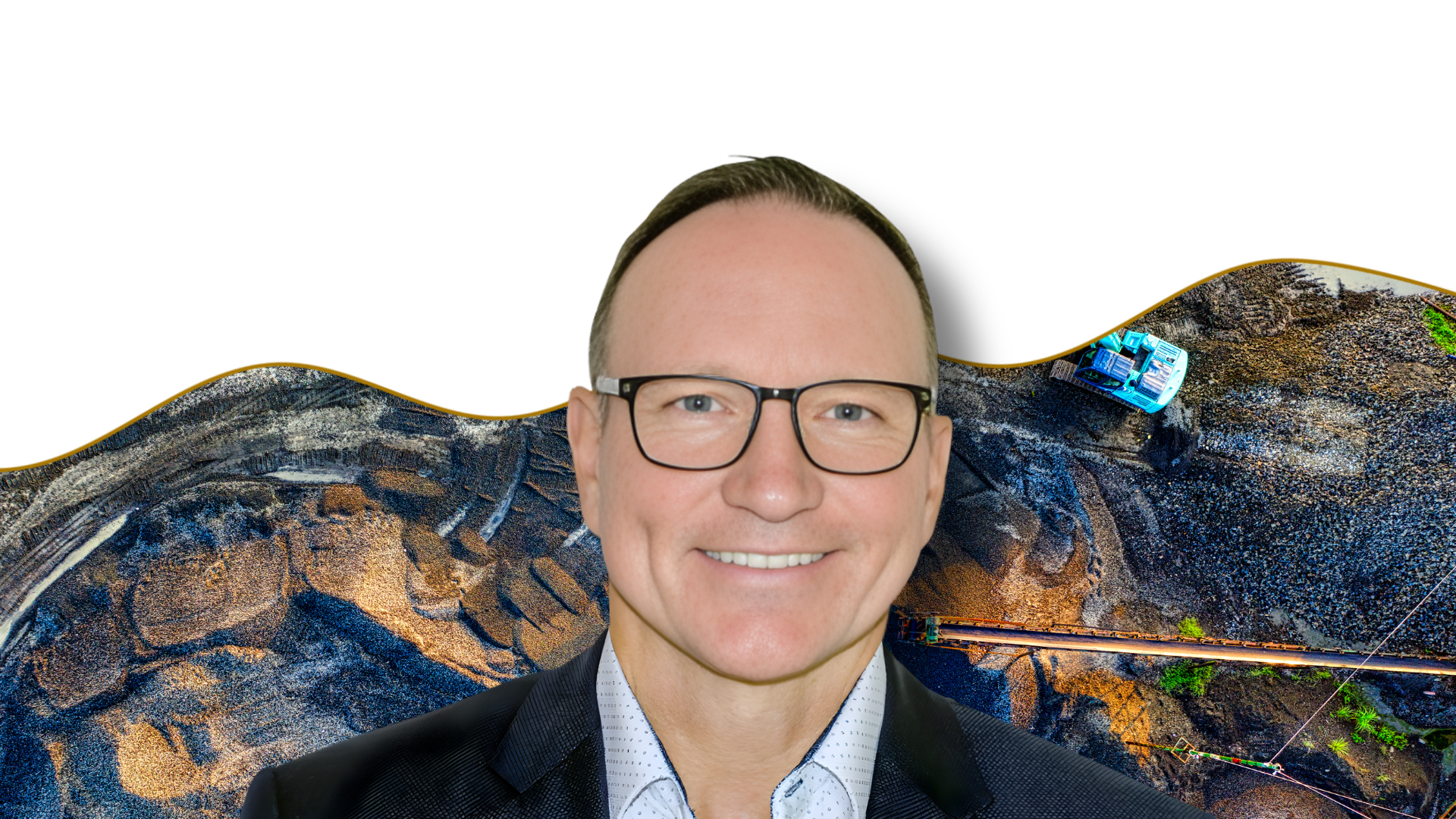
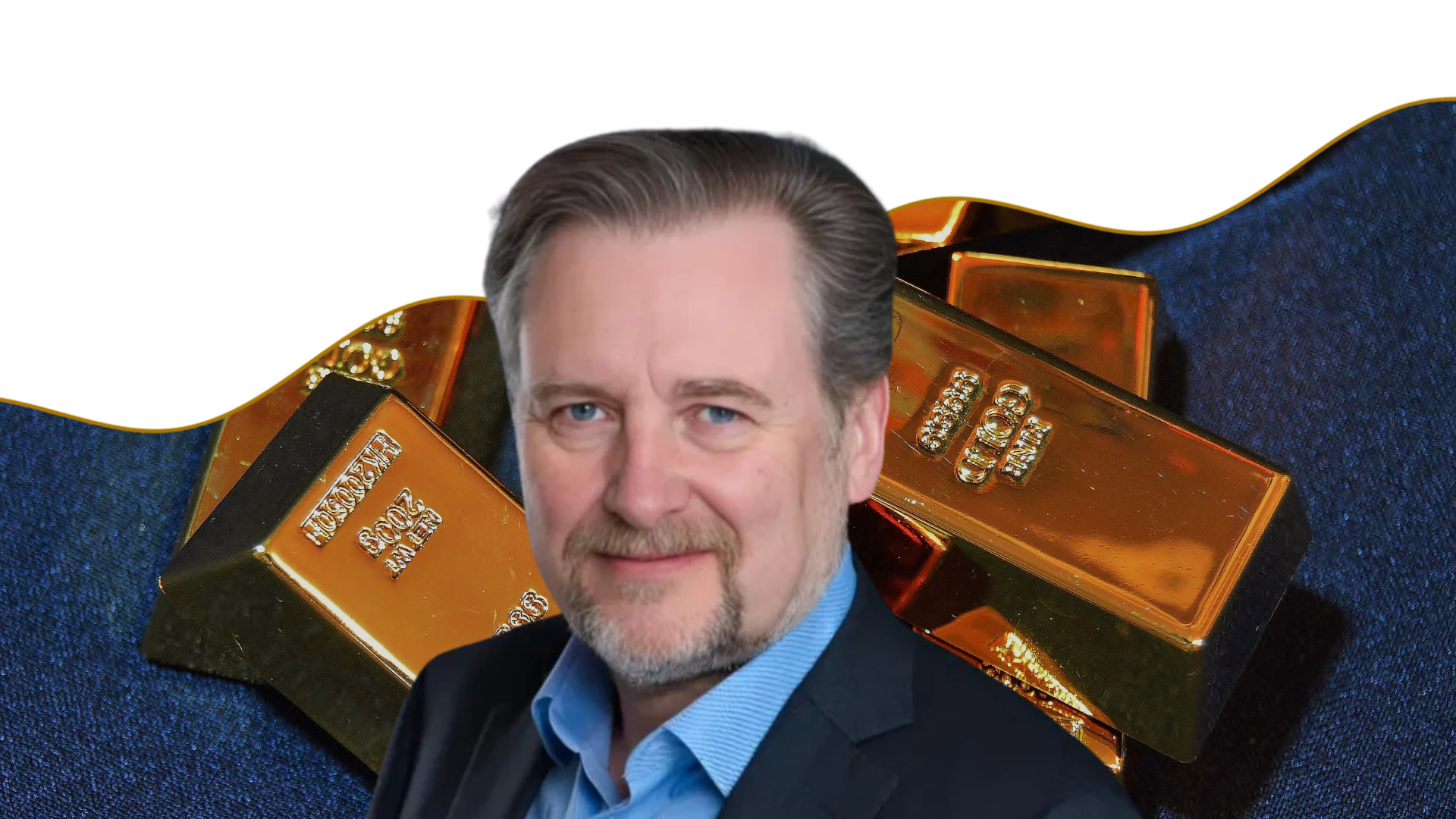
This conversation dives into the current state of the gold mining sector, focusing on Q4 2024 earnings, capital flows, M&A trends, and broader market dynamics affecting miners. Gold fund manager Greg Orrell discussed why mining stocks are underperforming relative to their fundamentals, what could trigger a rally, and whether miners should prioritize acquisitions, dividends, or production discipline. He also weighed in on which companies are likely takeover targets, the role of royalty firms, and the long-term trajectory of the gold price, ultimately arguing that the industry remains undervalued despite strong fundamentals.

TL;DR
- Gold miners are generating strong free cash flow, but their stock prices are lagging due to weak capital inflows and competition from tech stocks.
- A significant rally in mining equities is likely only if broader markets, particularly tech, experience a downturn that drives investors toward defensive assets.
- M&A activity is expected to continue selectively, with majors targeting tier-one jurisdictions and high-quality assets, but many remain cautious after past cycles of poor acquisitions.
- The gold price is on a long-term upward trajectory, with $4,000-$5,000 per ounce seen as a realistic future baseline due to rising U.S. debt and global monetary instability.
- Royalty companies are viewed as a defensive play, but in a true gold bull market, direct exposure to miners with strong assets and disciplined management offers greater upside.
Are Gold Miners Finally Seeing Real Margin Expansion?
Gold miners have been announcing their Q4 2024 earnings, offering insights into how the year played out. With gold trading at historically high prices, the key question remains: Are gold miners successfully translating that into improved margins?
Greg Orrell, a seasoned gold fund manager, weighs in.
What you want to see is the mining companies keep their margins. There’s no leverage in the mining business if all you’re doing is lowering your cutoff grade and driving costs up.
While inflation in mining has slowed, Orrell notes that many companies continue to backload production into Q4. This often leads to a pattern where Q4 is their strongest quarter while Q1 remains the weakest.
You’d think they’d try to even it out, but across the industry, Q4 tends to be the best quarter—maybe it’s the bonus quarter that drives it.
Despite improved free cash flow across the gold mining sector, miners are still struggling to attract significant investor interest, particularly from generalist funds. While higher gold prices have expanded margins and stabilized costs, institutional capital has yet to return in a meaningful way.
Many generalist investors remain wary due to past cycles of poor capital allocation, excessive dilution, and weak returns, which have led to persistent skepticism about the sector’s ability to create sustained shareholder value.
Additionally, the dominance of high-growth sectors like technology has siphoned capital away from gold miners, as investors perceive better opportunities in equities with higher momentum and scalability. Until broader market conditions shift—such as a slowdown in tech or a more aggressive reallocation toward defensive assets—gold miners may continue to trade at a discount relative to their underlying financial performance.
Why Are Mining Stocks Not Performing as Well as Their Fundamentals Suggest?
With gold trading near record highs, one would expect mining stocks to be surging. Yet, while the GDX and GDXJ have been performing well, they are not keeping pace with miners’ free cash flow growth.
Orrell attributes this disconnect to capital flows.
You need fresh capital coming into the space. Precious metals equity funds are still a fraction of where they were in 2011. Generalist investors still feel burned from the last cycle, and they haven’t come back.
Additionally, the opportunity cost of holding gold stocks remains a factor. Investors still see more potential in technology stocks, particularly in the NASDAQ. But for Orrell, this presents a buying opportunity.
The time to buy is when it’s the opposite. When people say gold is too high to buy, it’s actually a fabulous time to be a buyer.
What Will Trigger a Broader Rally in Mining Stocks?
If $3,000 gold isn’t enough to ignite a sector-wide rally, what will? According to Orrell, the answer may lie outside of gold itself.
You need a downturn in tech or other equity markets. Capital flows need to shift from risk-on assets to defensive plays like gold miners.
Orrell points out that while there have been strong performers in the gold mining sector—highlighting companies like Alamos Gold, Lundin Gold, and AngloGold—market sentiment remains fragile, with investors quick to punish even minor earnings misses. Despite record free cash flow and solid operational execution, companies reporting results even slightly below expectations have seen sharp sell-offs, reflecting a lingering lack of confidence in the sector.
For example, Agnico Eagle recently reported record-breaking cash flow and production figures, yet its stock price still dropped by 5% following earnings. This reaction suggests that investors are maintaining a high degree of scrutiny, unwilling to reward miners unless they consistently exceed expectations. It also underscores the reality that, while fundamentals are improving, mining stocks are still fighting against broader market trends and risk-averse capital flows that continue to prioritize more liquid, high-growth sectors like technology.
Look at Agnico Eagle’s earnings. Record free cash flow, record results, and the stock still dropped 5%.
This suggests sentiment remains fragile.
Which Miners Stood Out This Earnings Season?
Orrell has been largely impressed across the board, noting strong performances from Agnico Eagle, Alamos Gold, and Lundin Gold, among others.
Even if the market sells them off on short-term results, I’m looking at who will be harvesting cash down the road.
Greg Orrell sees opportunities in gold miners that can keep costs stable while maintaining production, rather than chasing growth at any cost. He favors companies that resist lowering cutoff grades just to show higher output, as this often leads to rising expenses and shrinking margins. Instead, he looks for miners that balance efficiency, disciplined spending, and sustainable operations, ensuring they generate strong cash flow without overextending themselves. In a high-gold-price environment, these companies stand out as more resilient and better positioned for long-term profitability.
The fact that they’re generating significant free cash flow right now is bullish. It could start attracting more generalist investors.
Are Major Gold Miners Looking for M&A?
The M&A landscape remains fluid. While Newmont’s recent moves, including acquiring Newcrest and divesting non-core assets, have garnered attention, Orrell believes some major players are still weighing their options.
AngloGold remains active. Barrick may look at opportunities in North America. But for investors focused on precious metals, Barrick’s expansion into copper has turned some off.
With valuations for some assets rising, Orrell questions how aggressive major miners will be.
There was speculation about Newmont consolidating Lundin Gold, but Lundin has gotten expensive. It’s not an obvious buy anymore.
Should Miners Be Paying Higher Dividends Instead of Acquiring New Projects?
A fundamental question facing producers is whether free cash flow should go toward acquisitions or shareholder returns. Orrell is adamant that miners need to reward shareholders.
It’s a fool’s game to take money from one hole in the ground, put it into the next, and leave shareholders with nothing.
He argues that if miners pursue M&A, they should fund deals with cash rather than issuing shares.
If you really want to do accretive deals, you do it with cash, not dilution.
Should Miners Slow Down Production to Drive Up Prices?
Mining executives typically dismiss the idea of stockpiling gold, arguing that their business is to mine and sell, not speculate on prices. However, Greg Orrell points out that some investors see value in holding back production, especially in a rising gold market. The idea is that treating gold as money, rather than just a commodity, could protect against currency devaluation and enhance shareholder value. But in practice, most miners prioritize steady cash flow and investor returns, making it unlikely they would adopt this strategy on a large scale.
From a philosophical standpoint, some investors think companies should treat gold as money. Why sell it for paper? But from an earnings standpoint, miners need to book revenues, so most won’t entertain that idea.
Are Mid-Tier Miners and New Producers Less Risky?
When asked about risk, Orrell is clear: “The money is made in junior producers and mid-tiers—not the majors.”
He believes mid-tiers offer the best opportunities for share price appreciation.
You want to find the next young Mark Bristow or a younger version of Sean Roosen—someone who can take an asset and turn it into a real company.
Which Companies Are Likely M&A Targets?
When discussing likely takeover candidates, Orrell highlights companies with large, high-quality deposits in tier-one jurisdictions.
He mentions Snowline Gold in Canada, as well as potential consolidation in West Africa.
There’s an argument for someone like West African Resources taking out Orezone Gold, for example.
He also sees potential in projects that are further along in the development cycle, like Omai Gold Mines in Guyana.
Where Are We in the Gold Cycle?
On the broader gold cycle, Orrell believes there is a long way to go.
I thought $3,000 gold was coming this year—I just didn’t think it would be this soon. But long term, I see $4,000-$5,000 gold.
He argues that gold’s ascent is driven by the deteriorating U.S. fiscal position.
Gold has a 93% correlation with U.S. federal debt since Nixon closed the gold window. That’s not changing anytime soon.
Will Royalty Companies Outperform in This Cycle?
Many investors see royalty companies as a safer bet, but Orrell is less enthusiastic.
Royalty companies are defensive. If you believe you’re in a bull market, you want to be more offensive.
He warns that some royalty firms, like Franco-Nevada, may start being valued more like banks than gold companies, which could impact their multiples.
Final Thoughts
Orrell remains bullish on gold and gold equities, seeing significant upside potential. However, he emphasizes that investors must remain selective, focusing on companies with real assets, strong management, and prudent capital allocation.
As for whether the gold in Fort Knox is still there? “I sure hope it is. If it’s not, that’s a big problem.”
Greg Orrell Interview
Please note that although none of the companies mentioned herein have paid Resource Talks for the creation of this content, this website is a business that charges for the creation and publication of content. This means there will always be a potential conflict of interest which means you can never rely on anything said herein.
By consuming this content, you acknowledge that Resource Talks and/or its affiliates and/or their personnel may own, have owned, or will own interests in and/or may have a business relationship with some or all companies/entities mentioned/featured in this publication. You further acknowledge that entities which may be referenced or featured in this publication or their related parties may hold an interest in Resource Talks or its affiliates, which may create further conflict of interest.
The information provided herein is general & impersonal in nature and meant for entertainment purposes only. The reader acknowledges and agrees that the information does not constitute a solicitation of an offer to buy or sell any security or instrument or to participate in any trading strategy. The author is not a licensed investment advisor. He is just another talking head on the internet. He might own shares of companies mentioned in this publication. Always assume he doesn’t know much more than a potato does. The mining & exploration space is among the riskiest sectors to invest in. The risk of anything mentioned in this publication is 100% loss of capital. If you don’t read the official documents provided by the company on http://www.SedarPlus.ca, you will lose all of your money.