
READ TIME: 5 MINUTES
I don’t think you’ll see much mention of Uzbekistan in the Wall Street Journal,” Rogers quips, emphasizing his preference for undervalued assets in emerging markets.
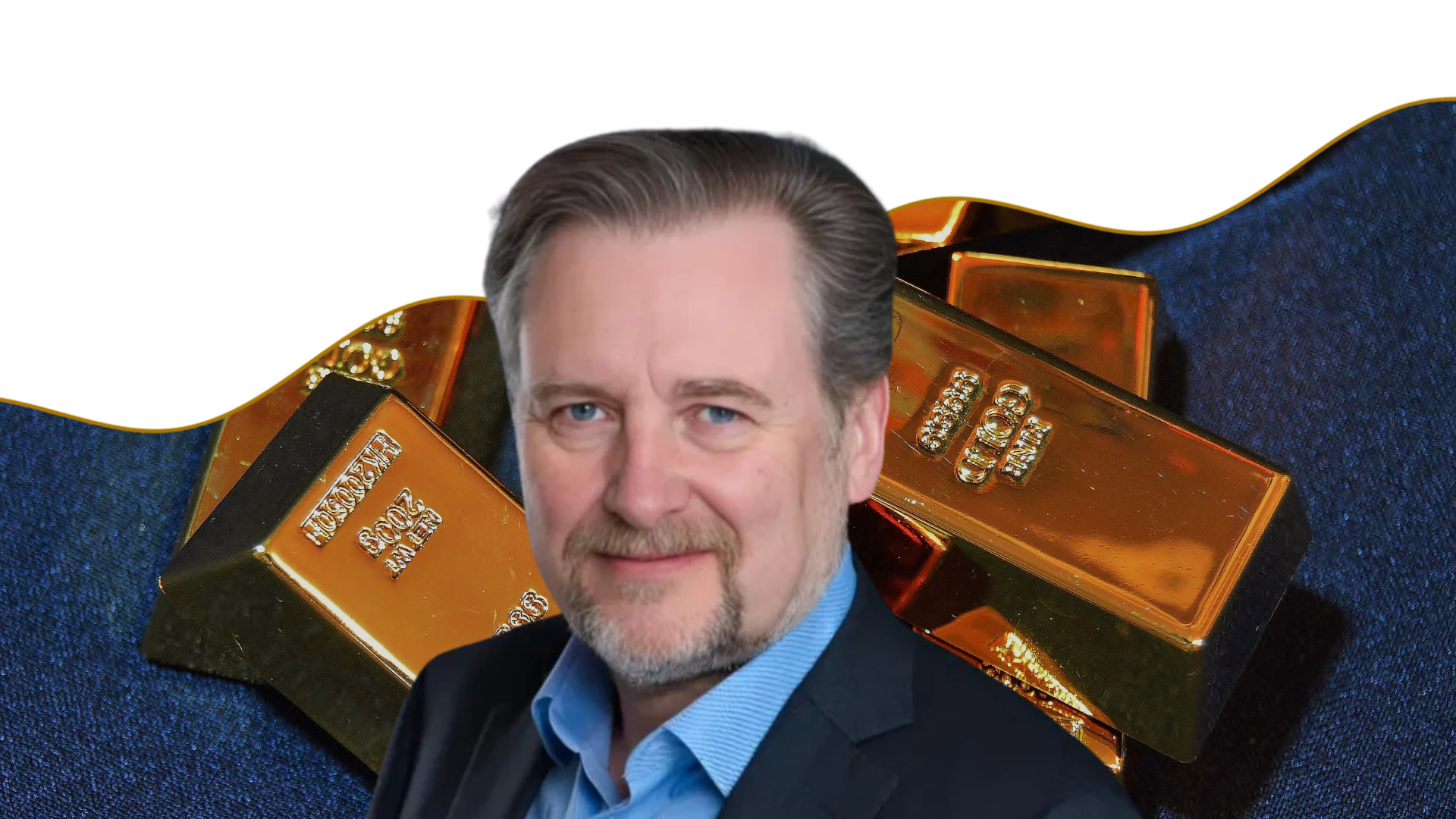
Jim Rogers

Key Takeaways
- 1. Short the market only when true hysteria is evident, with everyday people fervently discussing stocks.
- 2. Rogers sees silver, down 40% from its peak, as a better buy than overvalued equities.
- 3. U.S. money printing will likely drive inflation, making today’s debt crisis reminiscent of the British Empire’s decline.
- 4. Despite its debt, China’s historical resilience keeps Rogers optimistic about its long-term prospects.
- 5. A BRICS-backed, hard asset currency is unlikely without a severe crisis, given the economic and political obstacles.
When Is It Time to Short the Market?
“When everybody is leaving their jobs to go into the market, that’s a sign of hysteria,” says Rogers, underscoring his cautious stance. With stocks at all-time highs, Rogers waits for signs of irrational exuberance before considering shorting.
In classic contrarian style, Rogers notes that true hysteria often becomes apparent when unlikely people, like cab drivers or house painters, start talking investments.
What Sectors Are Ripe for Contrarian Investment?
Rogers’ strategy isn’t only about waiting for bubbles to pop. Instead, he looks to commodities, particularly silver, which he points out is “down 40% from its all-time high.” Unlike overheated sectors, commodities have remained relatively affordable.
How Does Jim Rogers View Precious Metals Like Platinum and Palladium?
Though Rogers holds some exposure through his index, he’s wary of the long-term demand for platinum and palladium. With the rise of electric vehicles, he sees reduced demand for these metals, traditionally used in catalytic converters, as a potential risk.
Does Jim Rogers See Value in Battery Metals?
With a pragmatic view on electric vehicle materials, Rogers isn’t heavily invested in battery metals like nickel or lithium, but acknowledges their role in the evolving market, saying, “Maybe I should [own nickel] since we’re all going to have electric cars.”
Why Rogers Holds Physical Gold and Silver
“When things go bad, all of us old peasants want some silver in the closet.”
Rogers maintains a long-term view on precious metals, holding onto physical silver and gold as a hedge. He prefers physical metal over mining stocks, given the high risk but potentially high reward nature of mining companies.
Where Does Rogers Stand on Energy?
Acknowledging the world’s dwindling known oil reserves, Rogers leans bullish on energy. He remains skeptical of shorting energy sources like natural gas, even as prices have stagnated, noting, “Unless something happens quickly, known supplies of oil continue to decline.”
The Threat of Another Wave of Inflation
Rogers argues that inflation is far from over, given the “gigantic money printing in recent years.” Comparing the U.S. debt situation to that of Britain’s downfall as a superpower, Rogers warns that today’s younger generations face a bleak economic future.
What Historic Era Does Rogers Compare Today’s Economic Period To?
Comparing today’s U.S. debt to Britain’s financial troubles in the early 20th century, Rogers warns of America’s path toward significant economic hardship. He predicts this debt spiral will ultimately lead to inflation and further erosion of U.S. wealth.
Who Will Replace the U.S. as a Global Leader?
Rogers doesn’t see an immediate replacement for the U.S. dollar or the American economy, though he believes China could rise to a more prominent position. However, China’s non-convertible currency and increasing debt present obstacles to achieving the same level of influence.
Will the BRICS Nations Create a Gold-Backed Currency?
Despite speculation, Rogers is skeptical of a hard asset-backed currency emerging in our lifetime, as the level of economic disruption required would be politically untenable. “It will take a gigantic crisis for the world to go to a real hard asset-backed currency.”
Is China Still the Best Contender for Economic Growth?
Though China’s real estate struggles pose risks, Rogers remains bullish on the country’s growth potential. He compares China’s economic trajectory to that of the U.S., which became a global powerhouse despite multiple crises. “China is the only country in world history that’s been on top three or four times,” he notes, a feat he believes signals resilience.
Why Rogers Invests in Uzbekistan
Long known for finding investment opportunities in unconventional markets, Rogers holds shares in Uzbekistan’s public companies. He describes Uzbekistan as a rising economy, rich in resources, with untapped potential.
“I don’t think you’ll see much mention of Uzbekistan in the Wall Street Journal,” Rogers quips, emphasizing his preference for undervalued assets in emerging markets.
What Advice Would Rogers Give His 20-Year-Old Self?
For young investors, Rogers advises humility, recounting how overconfidence in his early years led him to significant losses. “You’re not as smart as you think you are,” he warns, emphasizing the need to continuously learn and adapt.
Conclusion
Jim Rogers’ perspective offers a sobering view of the market’s future, marked by caution and contrarian investments. Holding cash, commodities, and a select few stocks, Rogers navigates an unpredictable economic landscape. His approach, grounded in history and a commitment to real assets, is a reminder to investors to remain vigilant and critical of prevailing narratives.
For those wanting more insights from Rogers, his books and insights can be found on his website, JimRogers.com.
Jim Rogers Interview
This is a very brief summary of what was a lengthy interview. Don’t rely on this summary. Watch the full interview which is linked above.
Please note that this guest has not paid for the creation of this content. The Resource Talks interview rules are simple.
The companies, albeit paying or non-paying, get no questions upfront, no questions off the table, and no editing rights.
The information provided herein is general & impersonal in nature and meant for entertainment purposes only. The reader acknowledges and agrees that the information does not constitute a solicitation of an offer to buy or sell any security or instrument or to participate in any trading strategy. The author is not a licensed investment advisor. He is just another talking head on the internet. He might own shares of companies mentioned in this publication. Always assume he doesn’t know much more than a potato does. The mining & exploration space is among the riskiest sectors to invest in. The risk of anything mentioned in this publication is 100% loss of capital. If you don’t read the official documents provided by the company on http://www.SedarPlus.ca, you will lose all of your money.