
READ TIME: 6 MINUTES
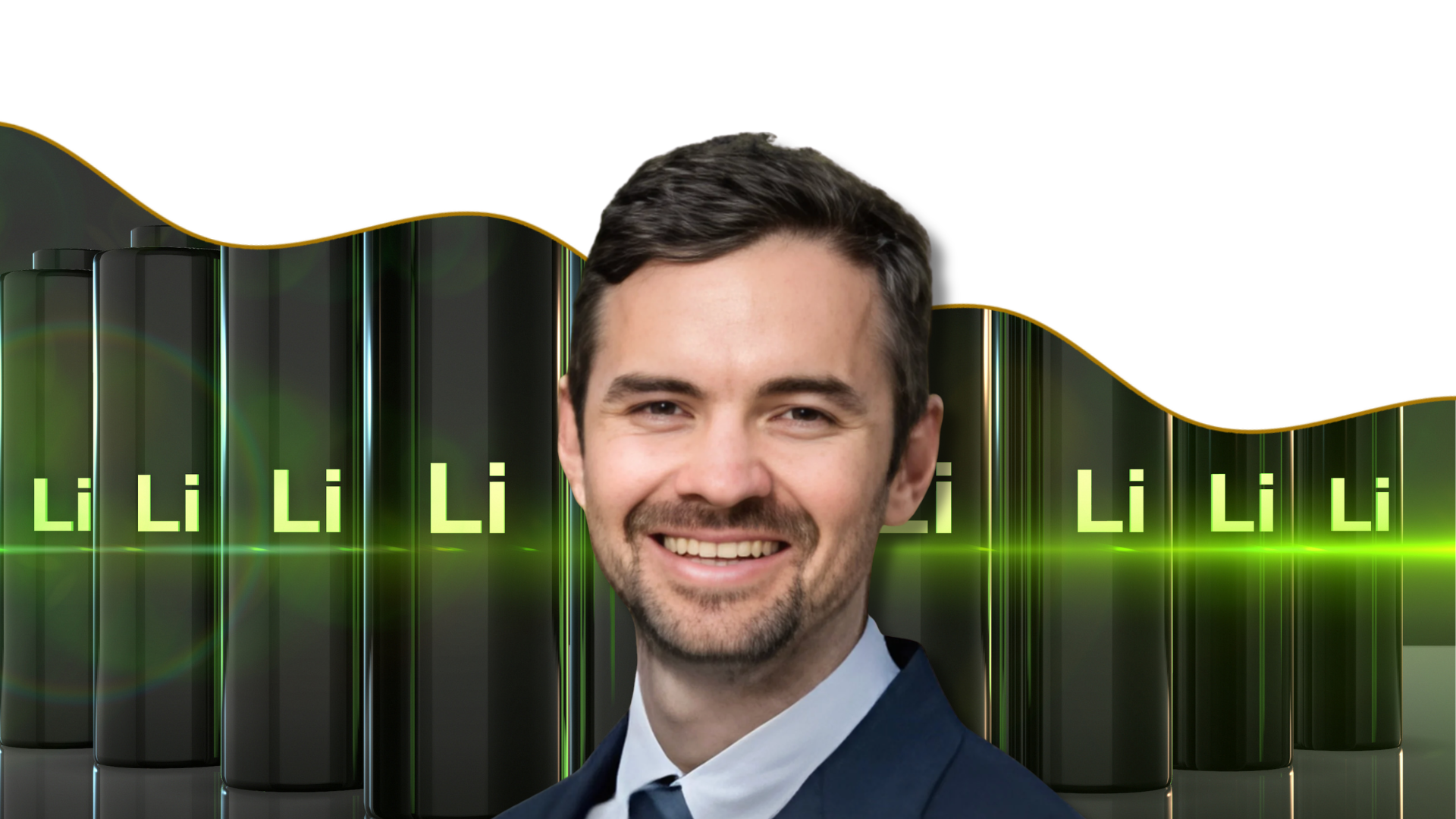
Junior mining is a high-risk, high-reward sector, with elusive 1,000-bagger successes like Paladin Energy being rare exceptions rather than the norm. Achieving such returns requires an extraordinary confluence of factors: LUCK, discoveries, market cycles, and strong management, all aligned perfectly. Focusing on and speculating for 1,000-baggers is not a strategy. Luc believes focusing on more achievable goals like 3-5x returns, driven by fundamentals such as solid share structures, insider ownership with genuine commitment, and the ability to distinguish credible stories from promotional hype, can result in long-term success for the lucky few.

- Finding 1,000-baggers in junior mining is exceedingly rare (read: nearly impossible), requiring perfect alignment of luck, stars, discoveries, commodity cycles, and strong management, making them more mythical than realistic goals.
- Insider ownership matters, but what truly counts is how meaningful the stake is to the insider’s net worth, ensuring they are genuinely committed to the company’s success.
- Waiting for post-discovery confirmation, even at a higher price, can reduce risk and provide greater confidence in a project’s potential, but it also limits the upside.
- Avoid companies relying on promotional hype or unrealistic promises of massive returns, and instead focus on fundamentals like share structure, management credibility, and sound geological prospects.
- Realistic returns for the lucky speculator lie in the 3-5x range. This is not to say it’s easy to get those returns. The chances of making money in junior mining are still minuscule. However, for the lucky and patient few, those could be achievable with careful preparation, critical thinking, and a willingness to embrace and manage risks effectively, and a lot of experience.
What Are the Odds of Finding a 1,000-Bagger in Junior Mining?
Finding a 1,000-bagger in the junior mining space is practically impossible. It has happened a few times, but did anyone really hold their 1,000-bagger from start to finish?
Luc ten Have succinctly puts it: “The chance of finding it in junior mining is easier in a way that you probably read about the stock, maybe not like it enough, but think about it—and a couple of years later, not owning it, the thing became a 1,000-bagger.”
The reality of this sector is stark: the junior mining space is fraught with risk and dilution. Achieving such astronomical returns requires holding a stock through periods of extreme uncertainty and volatility. Even the lucky few who manage to find 10-baggers, or 100-baggers, or even 1,000-baggers often sell too early, unable to stomach the wild ups and downs.
For every Paladin Energy or Great Bear Resources, there are countless stories of missed opportunities, failed discoveries, and market crashes. As Luc explains, “To make this a 1,000-bagger, everything must align: the discovery, commodity cycle, and the ability to go from exploration to production. That is extremely rare.”
The Challenge of Holding Through Volatility
Luc shares an example of how difficult it is to hold onto a junior mining stock for the long term: “Even with a 20-bagger, I often sold too early because the risks were simply too high. The sector is incredibly dilutive, and many things can go wrong during the journey from discovery to production.”
One of the key lessons is understanding when to stay invested and when to take profits. Luc emphasizes that staying in a stock for 5-10 years—the typical time frame for a 100-bagger, in his experience—requires a strong stomach, unwavering confidence in the underlying thesis, and … you guessed it: luck.
Is Insider Ownership a Common Denominator for Exceptional Returns?
Insider ownership is often touted as a critical factor for success in junior mining, but the correlation is not as straightforward as it seems.
“In my personal experience, companies with high insider ownership do not consistently outperform those with lower ownership,” Luc says. However, he emphasizes the importance of insiders being significantly invested in their own projects.
If the CEO’s net worth is tied to the success of the company, they will work harder. It’s not about absolute percentages but how meaningful the stake is to them. Great Bear Resources, for example, had insiders who were deeply committed, with Chris Taylor driving the project forward after multiple setbacks and rollbacks.
As with everything in finance, you need to understand the incentive of your counterparty.
How Should Investors Approach Discovery Stories?
Speculators often face a dilemma: get in before a discovery or after.
Luc highlights the merits of waiting for confirmation. “Buying after a discovery is less risky, even if you pay three to five times more. It allows for greater confidence in the potential of the project,” he explains.
This approach aligns with his broader philosophy of focusing on share structure, management, and the quality of discoveries. “Avoid stocks that run solely on promotion or surface results. Wait for that ‘holy drill hole’ to confirm the story,” he advises.
However, oftentimes, the +10-bagger returns happen due to the discovery, which highlights how improbable it is for most of us to get our hands on one.
What Makes a 1,000-Bagger Like Paladin Energy So Unique?
Paladin Energy’s rise from a penny stock to a billion-dollar company is legendary. The company capitalized on a uranium price boom while successfully transitioning from exploration to production—a rare feat. As Luc puts it, “Lightning strikes more often than this happens.”
This success was a confluence of factors: the right commodity at the right time, strong management, and a clear path to production. However, Luc admits that such cases are more myth than blueprint.
“It’s an interesting example to look at, but it doesn’t provide directional guidance for most investors”, Antonio added.
Are PowerPoint Promises Misleading?
Luc is critical of juniors that invoke the names of past 100-baggers to lure investors. “If a company tells you they could potentially be a 100-bagger, that’s a red flag,” he warns. “Promising outsized returns without substance is manipulative and distracts from critical thinking.”
Instead, he advises focusing on the fundamentals: share structure, management’s track record, and the project’s geological potential. “Beware of PowerPoint warriors selling dreams. Let the results speak for themselves,” he quips.
What’s a Reasonable Expectation for Returns?
Luc believes targeting 3-5x returns is more realistic for most investors. “Hoping for a 10-bagger is ambitious but not entirely unreasonable if you’re willing to put in the work and accept the risks. Anything beyond that is more luck than strategy,” he states.
For those chasing multi-baggers, the key is preparation, timing, and time in the market. “Have capital ready and stay focused on the market. If you see a significant discovery and believe in the story, act decisively,” Luc says when reflecting on how he deals with his portfolio. However, he emphasizes that understanding the risks and potential downsides is critical.
Be real with yourself, though: most of us can’t and won’t replicate this strategy successfully.
How Important is “Skin in the Game”?
The concept of “skin in the game” is central to Luc’s investment philosophy. He looks for CEOs who are significantly invested in their companies. “It’s not about how much they own but how meaningful their stake is to their net worth,” he explains.
He also warns against “promotional buying”—small, strategic insider purchases designed to create an illusion of confidence. “True skin in the game is insiders buying consistently, especially during tough times, without relying on cheap issuances or excessive warrants,” he says.
The Risks of Overconfidence in Junior Mining
Investors often overestimate their ability to pick winners in the junior mining space. Luc points out that even seasoned investors can be humbled by the market. “The market is a humbling experience. Believing you’re the one who will find a 1,000-bagger is dangerous thinking,” he warns.
Luc approaches the sector with humility and a willingness to learn from mistakes. “Speculation is part of the game, but without solid fundamentals, you’re just gambling,” he says.
Conclusion: Speculation with Fundamentals
Speculating in junior mining is a high-stakes game, but it’s not without strategy. Luc’s advice is clear:
- Focus on management’s track record and share structure.
- Wait for meaningful discoveries before committing significant capital.
- Avoid companies that rely on hype and unrealistic promises.
- Ensure that insiders have genuine skin in the game.
As Luc aptly summarizes, “Speculation is part of the game, but fundamentals are what turn dreams into dollars.”
On Geology and Staying Power
Luc acknowledges that while geology matters, many investors lack the expertise to fully understand its implications. He highlights the importance of “long intercepts and meaningful grades” as critical indicators. “If you see a 100-meter hole with high grades, that’s when you have more staying power because those discoveries are rare,” he explains.
Of course, those discoveries are not a guarantee for stock market success.
On Personal Experiences and Lessons Learned
Luc candidly shares his own experiences, including times when he sold too early or misjudged a company’s potential. These anecdotes underscore the difficulty of navigating the junior mining space. “Even when you think you’ve got it figured out, the market has a way of humbling you,” he reflects.
On Managing Expectations
Luc knows how to manage his expectations and focus on incremental gains.
“Chasing 100-baggers is not a viable strategy for most people. Instead, aim for 3-5x returns and build from there,” he suggests.
On Critical Thinking
Finally, Luc stresses the importance of critical thinking and due diligence. “Don’t get swept up in the hype. Always ask yourself: Does this story make sense? Are the people involved credible? Is the share structure sound? These are the questions that separate success from failure.”
1,000 Baggers and Why You’ll Never Get One (unless you’re structurally lucky)
Please note that nobody has paid us for the creation of this content. However, this website is a business that charges for the creation and publication of content. This means there will always be a potential conflict of interest which means you can never rely on anything said herein.
By consuming this content, you acknowledge that Resource Talks and/or its affiliates and/or their personnel may own, have owned, or will own interests in and/or may have a business relationship with some or all companies/entities mentioned/featured in this publication. You further acknowledge that entities which may be referenced or featured in this publication or their related parties may hold an interest in Resource Talks or its affiliates, which may create further conflict of interest.
The information provided herein is general & impersonal in nature and meant for entertainment purposes only. The reader acknowledges and agrees that the information does not constitute a solicitation of an offer to buy or sell any security or instrument or to participate in any trading strategy. The author is not a licensed investment advisor. He is just another talking head on the internet. He might own shares of companies mentioned in this publication. Always assume he doesn’t know much more than a potato does. The mining & exploration space is among the riskiest sectors to invest in. The risk of anything mentioned in this publication is 100% loss of capital. If you don’t read the official documents provided by the company on http://www.SedarPlus.ca, you will lose all of your money.