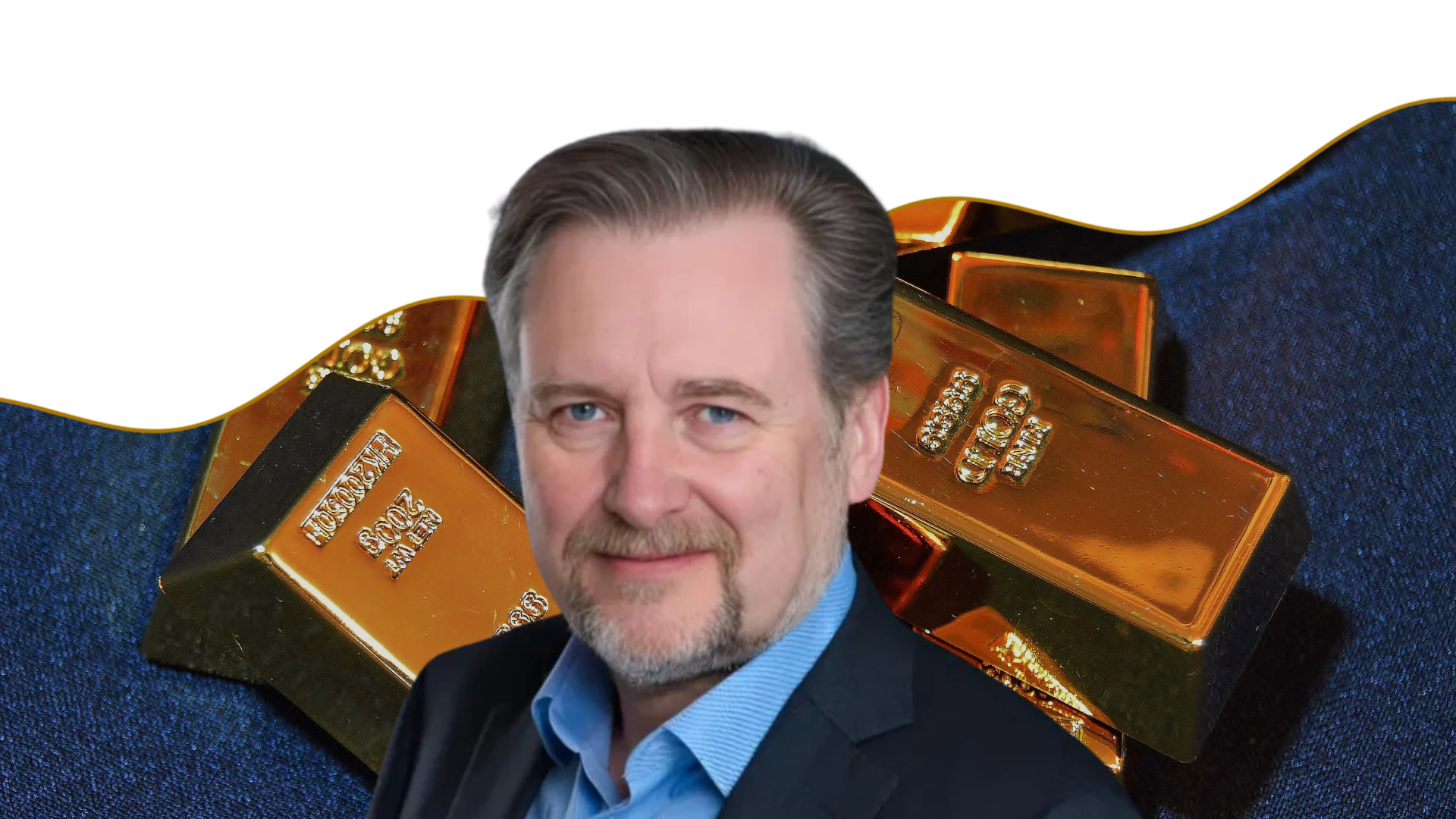

Luc ten Have discusses how he thinks about risk in a hot junior-mining market, whether a bear market could be coming, how he measures performance, what drove his best results in 2025, why he sells (often too early), how he handles underperformers, how he spots (and misses) opportunities tied to credible teams and deal flow, and one notable “dodged bullet” where he exited before disappointing outcomes hit the stock, and much more.

TLDR;
Luc’s core message is that predicting macro turns (gold price, bull vs bear timing, etc) is unreliable, so he manages exposure through position sizing, taking partial profits, and avoiding full-size bets on single binary drill results. His biggest winners last year came from being early in discovery-driven or “go-to” names but he repeatedly emphasizes opportunity cost from selling too early (notably G Mining and Montage Gold). He also lays out his risk framework, which includes watching financing structure and overhang (warrants/free trading paper), identifying whether a stock is purely “next assay-dependent,” and accepting that greenfields drilling disappoints more often than not, so de-risking before results can be rational.
- He won’t call the market top, but he will manage around it.
— — —
On whether a bear market is coming, Luc avoids a firm prediction and frames gold more as wealth protection than a trade, noting gold has already run hard and markets rarely move in a straight line indefinitely. His practical response is staying meaningfully invested while still taking profits because outcomes (macro, geopolitics, sentiment shifts) are unknowable and a strong multi-year bull market does not mean prices must keep rising immediately.
– - Most of his edge is process (concentration, catalysts, and de-risking around drill risk).
— — —
Luc tracks net worth more than annual percentage returns and prefers a relatively concentrated portfolio (large weight in a limited number of names), aiming to outperform by owning lesser-known situations before the crowd arrives. He describes selling as harder than buying and says it is rarely a simple market-cap trigger. Instead it’s driven by (a) how large a position has grown versus the portfolio, (b) how binary the next milestone is (especially the next drill hole/assays), and (c) his conviction that follow-up results will repeat. His Onyx example illustrates a deliberate approach, where he sizes up when he believes a discovery will re-rate, then sells a portion early to reduce risk, even if that means leaving upside on the table.
– - He misses more by exiting early than by blowing up, and he watches deal sponsorship closely.
— — —
Luc says he didn’t have major permanent capital losses in 2025, aside from small losses in short-term trades once late-summer/September trading got choppier. His bigger regrets are missed compounding from selling early in strong name-backed stories (G Mining and Montage Gold), not buying some obvious-to-him moves (Discovery Silver after its major transaction), and a rotation mistake where he sold African Gold to buy Aurum (both worked, but African Gold outperformed). He repeatedly points to a pattern where he tries to follow companies backed heavily by credible operators/investors can keep running well beyond what feels expensive. In Luc’s opinion, the real mistake is often selling because something merely looks big, not because the thesis broke.
VERY IMPORTANT WARNING
Please note that although none of the companies mentioned herein have paid Resource Talks for the creation of this content, this website is a business that charges for the creation and publication of content. This means there will always be a potential conflict of interest which means you can never rely on anything said herein.
By consuming this content, you acknowledge that Resource Talks and/or its affiliates and/or their personnel may own, have owned, or will own interests in and/or may have a business relationship with some or all companies/entities mentioned/featured in this publication. You further acknowledge that entities which may be referenced or featured in this publication or their related parties may hold an interest in Resource Talks or its affiliates, which may create further conflict of interest.
The information provided herein is general & impersonal in nature and meant for entertainment purposes only. The reader acknowledges and agrees that the information does not constitute a solicitation of an offer to buy or sell any security or instrument or to participate in any trading strategy. The author is not a licensed investment advisor. He is just another talking head on the internet. He might own shares of companies mentioned in this publication. Always assume he doesn’t know much more than a potato does. The mining & exploration space is among the riskiest sectors to invest in. The risk of anything mentioned in this publication is 100% loss of capital. If you don’t read the official documents provided by the company on http://www.SedarPlus.ca, you will lose all of your money.