

READ TIME: 5 MINUTES
Key Takeaways
- 1. Focus on Fundamentals: M&A events should be viewed as liquidity opportunities, not the primary reason to hold a mining stock—project quality and solid fundamentals matter most.
- 2. Quality Outshines Premiums: High-caliber assets with strong development potential tend to attract the highest premiums, particularly in top jurisdictions like Canada.
- 3. Beware Necessity-Driven M&A: Takeovers born out of necessity, where struggling companies merge, often provide limited value and can signal deeper issues.
- 4. Use Data Tools for Clarity: Tools like Resource 100’s Chart Maker can reveal a project’s true progress, overlaying news with price movement to provide context beyond promotional hype.
- 5. Timing and Selectivity Are Key: Investing in potential takeover targets requires discernment, with names like Snowline Resources or Founders Metals offering better odds due to their project quality and pace of development.
Is a Takeover Target a Desirable Outcome?
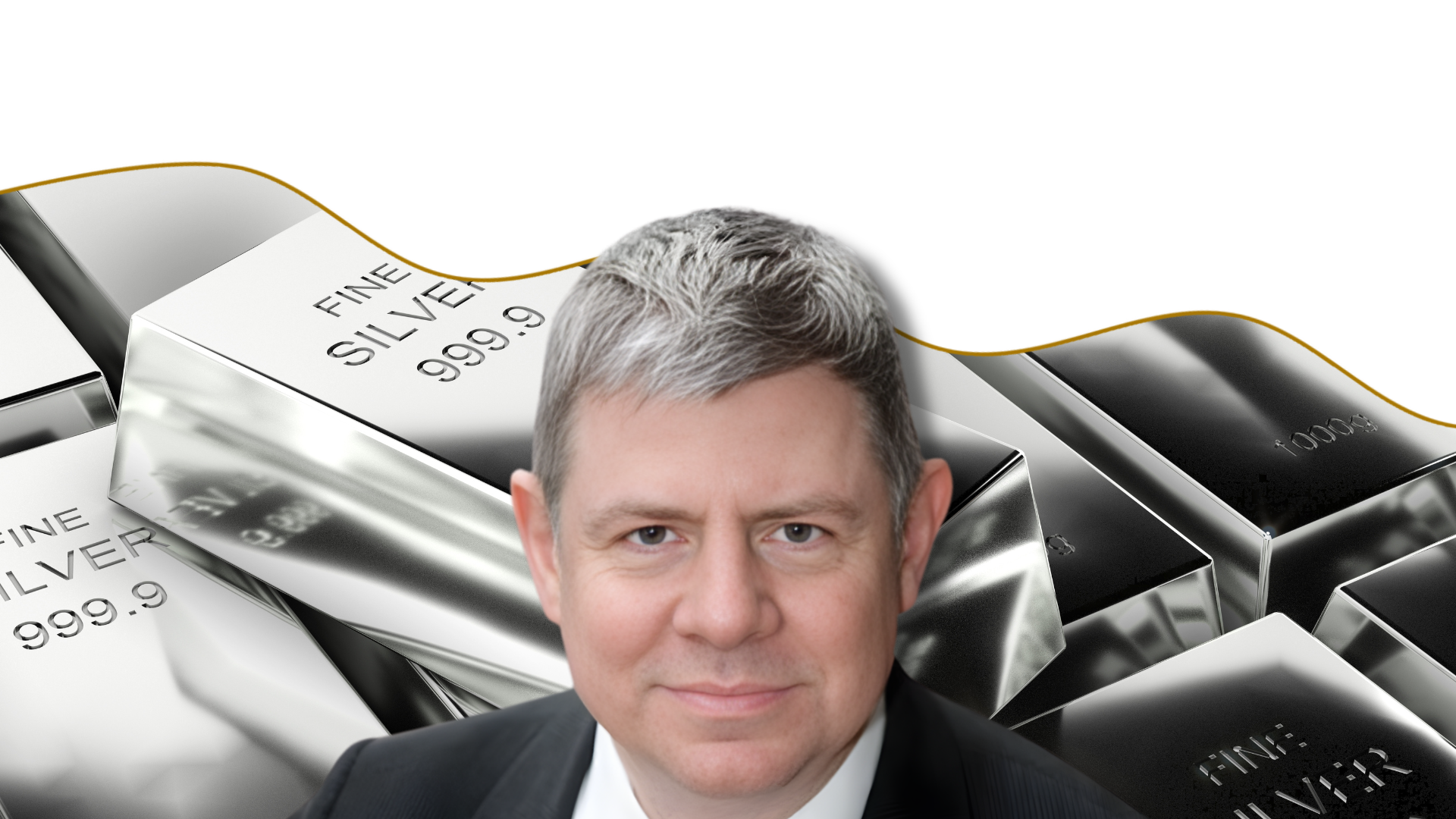
Luc Ten Have kicks off the discussion with a striking perspective: “I wouldn’t buy something just hoping for a 20% or 50% premium on a takeover.” His view is straightforward: the risks associated with gold prices, political instability, and illiquid markets are not worth betting on a takeover alone. A takeover event should be seen as a liquidity solution for investors, rather than the main reason to hold a stock. Ten Have emphasizes that a solid takeover comes as the “icing on the cake” when the company has reached a high valuation due to strong, inherent project value. He references Reunion Gold’s acquisition as an ideal example, a project whose strong fundamentals ultimately warranted the acquisition.
What Factors Impact Takeover Valuation?
We identified four main elements that affect the premium value in M&A deals, each crucial for investors considering potential takeover targets.
- Project Quality
Too long to get into here, but factors like grade, size, metallurgy, and the project’s overall potential are critical. Projects already Swiss-cheesed by excessive drilling may see reduced desirability, while assets with expansive, undrilled areas often capture interest due to untapped potential. - Stage of Development
Later-stage projects, especially those approaching the Definitive Feasibility Study (DFS) stage tend to command higher premiums. In contrast, early-stage or even no-resource-stage projects generally do not attract the same value. However, there are exceptions – early discoveries like Great Bear Resources defy these norms. Some assets are irresistible to buyers even without advanced studies. - Jurisdiction and Community Relationships
Jurisdiction plays a pivotal role, with Canada, especially Ontario and Quebec, being particularly favorable for M&A. “Local relationships, both with the community and the government, are more crucial than investors may think”. Solid social and political ties can add substantial weight to the takeover value. - Market Cycle and Stock Price
The underlying commodity cycle influences valuation heavily. For instance, during a boom, project premiums could be artificially inflated, while down cycles often suppress valuations. The price at which the project trades on the stock exchange often dictates the takeover premium size. High initial valuation may reduce the takeover premium even if the absolute price is impressive.
How to Spot an Overvalued Takeover Target?
Snowline Gold, a billion-dollar company, comes under scrutiny here. Ten Have views Snowline as comparable to “the current Great Bear,” with Snowline’s project quality ranking among the top discoveries of the last decade. He contrasts Snowline with projects like Osisko Mining’s Windfall, where despite development, valuation growth stagnated. Luc explains that long-term projects can suffer from diminishing premium returns, particularly when they linger on the market without a buyer due to high costs or logistical barriers.
Are Takeovers Driven by Opportunity or Necessity?
Luc splits takeovers into two categories: those driven by opportunity and those by necessity. He explains that the best takeovers, like Great Bear Resources, are often opportunity-driven, where the project’s quality is so evident that it quickly attracts interest. On the flip side, he points to “necessity-driven” takeovers, like the merger of Blackwolf Copper and Gold with Treasury Metals, as a strategic move for struggling companies. In these cases, Luc believes these companies are often “stuck,” requiring the merger for capital access and operational sustainability rather than growth potential.
Luc offers a candid perspective on necessity-driven M&A, arguing that while combining struggling companies might solve immediate capital needs, it rarely results in strong long-term returns. “They’re throwing two problems together to make a bigger problem,” he quips, highlighting that investors should be cautious of such deals.
How Does Resource 100’s Chart Tool Paint the Big Picture?
Ten Have discusses how Resource 100’s “Chart Maker” tool, which overlays news events with stock performance, helps visualize the journey of mining projects from inception to sale. By placing news, drilling updates, and insider transactions alongside price movements, the tool provides a transparent view of a project’s real progress, not just its promotion. Luc stresses that tools like these help to “paint a picture from start to finish” and let investors see the critical milestones that hint at whether a project is on a path to a takeover.
Are There Predictable Patterns in Takeovers?
When asked if there’s a formula for predicting takeovers, Luc admits that there’s no universal blueprint, but asserts that “premium-exclusive projects” stand out. He highlights companies like Snowline Resources as a name that is likely headed for acquisition due to their high-caliber assets. However, he warns that investors need to be selective even within the greenlighted names, as timing is essential.
In his view, Silvercrest Metals and Reunion Gold achieved high premiums not by chance but by ensuring that their projects were well-capitalized and developed to their full potential. Luc’s takeaway is straightforward: while the “big wins” are identifiable, investors should be wary of following the crowd without understanding the fundamentals of each project.
Can M&A Solve Capital Issues, or Do They Just Postpone Failure?
Using Blackwolf’s repeated M&A as a cautionary tale, Luc raises doubts about mergers being a reliable fix for underfunded projects. “Sometimes these M&A deals are nothing more than a temporary fix for systemic problems,” he observes, suggesting that investors examine why a project is up for sale rather than simply seeing the merger as a vote of confidence.
Why Founders Metals Could Be a Breakout Star
In a forward-looking note, Luc considers Founders Metals, a relatively new name in exploration, as a standout target for M&A. With B2Gold as a major backer and a rapid project pace, Founders’ recent progress is, as Antonio puts it, “faster than other teams might achieve in 36 months.”
Luc ten Have and M&A Full Interview
This is a very brief summary of what was a lengthy interview. Don’t rely on this summary. Watch the full interview which is linked above.
Please note that this guest has not paid for the creation of this content. The Resource Talks interview rules are simple.
The companies, albeit paying or non-paying, get no questions upfront, no questions off the table, and no editing rights.
The information provided herein is general & impersonal in nature and meant for entertainment purposes only. The reader acknowledges and agrees that the information does not constitute a solicitation of an offer to buy or sell any security or instrument or to participate in any trading strategy. The author is not a licensed investment advisor. He is just another talking head on the internet. He might own shares of companies mentioned in this publication. Always assume he doesn’t know much more than a potato does. The mining & exploration space is among the riskiest sectors to invest in. The risk of anything mentioned in this publication is 100% loss of capital. If you don’t read the official documents provided by the company on http://www.SedarPlus.ca, you will lose all of your money.