
READ TIME: 6 MINUTES
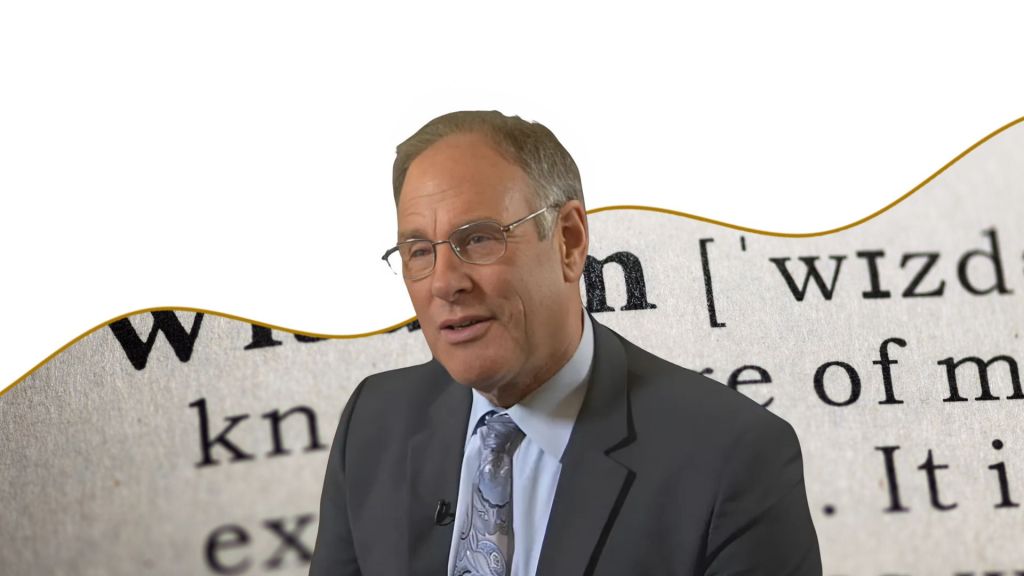
When I was a young man with a lot of time left on Earth, ironically, I was very impatient. But now, as I age and have less time on Earth, I’ve developed much more patience.
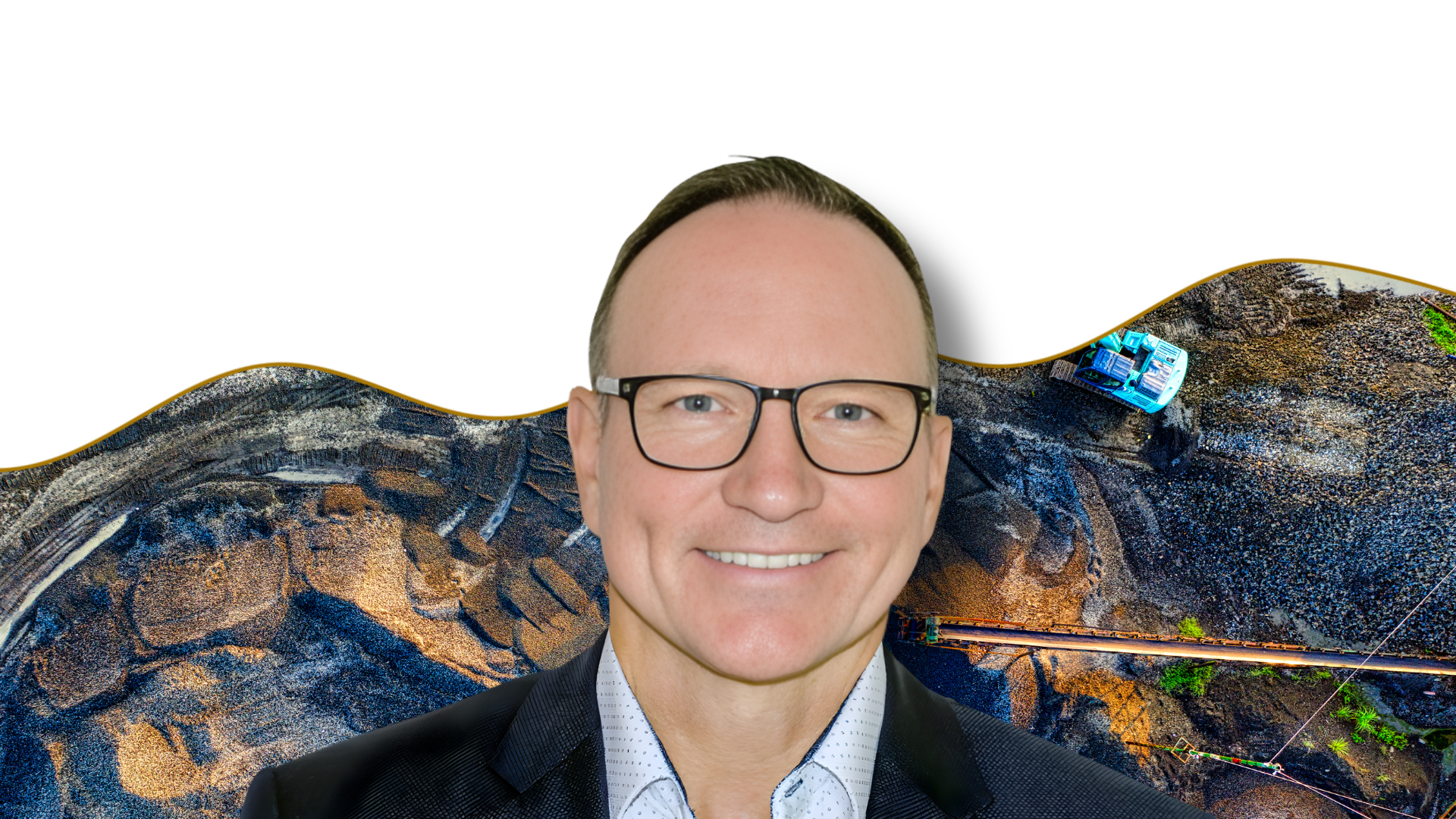
Rick Rule, just a legend
Rick Rule, the patron saint of natural resource investing, is known for his wisdom, often delivered in quotable one-liners that resonate deeply with the mining and exploration community. In a detailed conversation with Luc Ten Have, we dissected some of Rule’s most impactful advice, examining their practical applications in the volatile world of junior mining stocks. From the virtues of patience to the challenges of navigating speculative investments, this discussion offers a roadmap for investors navigating the high-stakes resource sector.
Key Takeaways
- 1. Patience is a virtue in resource investing, but it must be balanced with clarity about when to cut losses to avoid endless “bag-holding.”
- 2. Track record and credibility distinguish true company builders from promotional CEOs, making past success a key factor in investment decisions.
- 3. Drill plays are high-risk propositions that require careful assessment of whether a single failure will collapse the story or if the company has other viable targets.
- 4. Investing after a discovery is confirmed, even at higher prices, can still yield significant returns by reducing risk and increasing certainty.
- 5. Royalty companies and reverse-engineering success stories offer alternative strategies for participating in discoveries while mitigating risk.
Why Is Patience Key in Resource Investing?
Rick Rule’s reflection, “When I was a young man with a lot of time left on Earth, ironically, I was very impatient. But now, as I age and have less time on Earth, I’ve developed much more patience,” underscores the essential but elusive virtue of patience in mining investments.
Luc explained, “Patience often distinguishes successful investors from speculators. The temptation to jump on every new discovery or rumor is ever-present, but true value often requires waiting through months or even years of uncertainty.”
He stressed the need for discipline, noting, “In reality, cutting losses versus holding out is a personal decision rooted in strategy. The danger lies in constantly chasing the next opportunity, which can deplete your capital without yielding returns.”
When Does Patience Turn Into Bag-Holding?
Patience is often just a polite way of saying bag-holding, though.
The challenge lies in differentiating between enduring short-term volatility and clinging to a losing position. -Rick Rule often invests based on unanswered questions. If a company’s drill program fails to meet expectations, he’s willing to exit, even at a significant loss. The lesson here is clarity—knowing when the story has fundamentally changed.
What Separates Great Builders From Promoters?
Drawing on Rule’s admiration for company builders like Adolf Lundin and Ross Beaty, Luc dissected the traits that set them apart from less successful operators. “The real differentiator,” Luc said, “is track record. Success begets success. Lundin, Beaty, and others attract top geologists and investors because they deliver results consistently.”
But what about first-timers? “Luck plays a role,” Luc admitted. “Even a highly skilled operator needs a win to gain credibility. Chris Taylor of Great Bear Resources is a recent example—his success ensures investors will back him again.”
How Do You Handle Stocks That Double Without New Information?
Another Rick Rule gem is his observation that many speculators buy more of a stock that doubles without new information, a move he finds counterintuitive. Luc agreed, emphasizing that speculation without tangible data is risky.
“If a drill program provides clear, game-changing results, then paying a higher price for increased certainty can be worthwhile,” Luc explained. “The challenge is psychological—can you overcome the regret of not buying earlier and still see the value at current levels?”
What Do Failed Drill Plays Teach Us?
Luc provided cautionary tales from companies like Sendero Resources and Cascadia Minerals, which suffered severe market downturns after disappointing drill results. “Buying into a single drill target is like betting everything on one card,” he warned.
However, he highlighted cases like Azimut and Sun Peak, where diversified portfolios of drill targets reduce risk. “If one drill program fails, the company has other opportunities to prove its thesis,” he said, illustrating a balanced approach.
How Do You Spot the Next Big Discovery?
Luc described the allure of major discoveries, noting their transformative potential. He referenced examples like Reunion Gold and Snowline Gold, which experienced temporary setbacks but ultimately rebounded due to consistent results.
“Long intervals of mineralization, like 200 meters of 2 g/t gold, are strong indicators of a significant discovery,” Luc said. “But the key is waiting for confirmation. A single great hole can be luck; a second or third validates the thesis.”
What About Safer Alternatives Like Royalty Companies?
Luc pointed to Orogen Royalties, whose stock soared from $0.30 to $1.60, as a safer way to participate in discoveries. “Owning a royalty on a top-tier discovery like the one in Nevada provides exposure without the operational risks of exploration,” he explained.
However, he cautioned against complacency. “Even royalties depend on the success of the operator. But when you bet on world-class discoveries, the upside can be substantial.”
Can We Learn From Reverse-Engineering Success Stories?
Luc proposed an intriguing idea: reverse-engineering successful discoveries to identify lessons for investors. Cases like Founders Metals can reveal when it became clear the story had legs and at what point investors could have entered with reasonable risk.
This method could help investors develop a framework for spotting opportunities early while minimizing hindsight bias.
Rick Rule’s Wisdoms Video
This is a very brief summary of what was a lengthy interview. Don’t rely on this summary. Watch the full interview which is linked above.
Please note that this guest has not paid for the creation of this content. The Resource Talks interview rules are simple.
The companies, albeit paying or non-paying, get no questions upfront, no questions off the table, and no editing rights.
The information provided herein is general & impersonal in nature and meant for entertainment purposes only. The reader acknowledges and agrees that the information does not constitute a solicitation of an offer to buy or sell any security or instrument or to participate in any trading strategy. The author is not a licensed investment advisor. He is just another talking head on the internet. He might own shares of companies mentioned in this publication. Always assume he doesn’t know much more than a potato does. The mining & exploration space is among the riskiest sectors to invest in. The risk of anything mentioned in this publication is 100% loss of capital. If you don’t read the official documents provided by the company on http://www.SedarPlus.ca, you will lose all of your money.