
READ TIME: 7 MINUTES | RIVERSIDE RESOURCES HAS PAID FOR THIS CONTENT
TL;DR
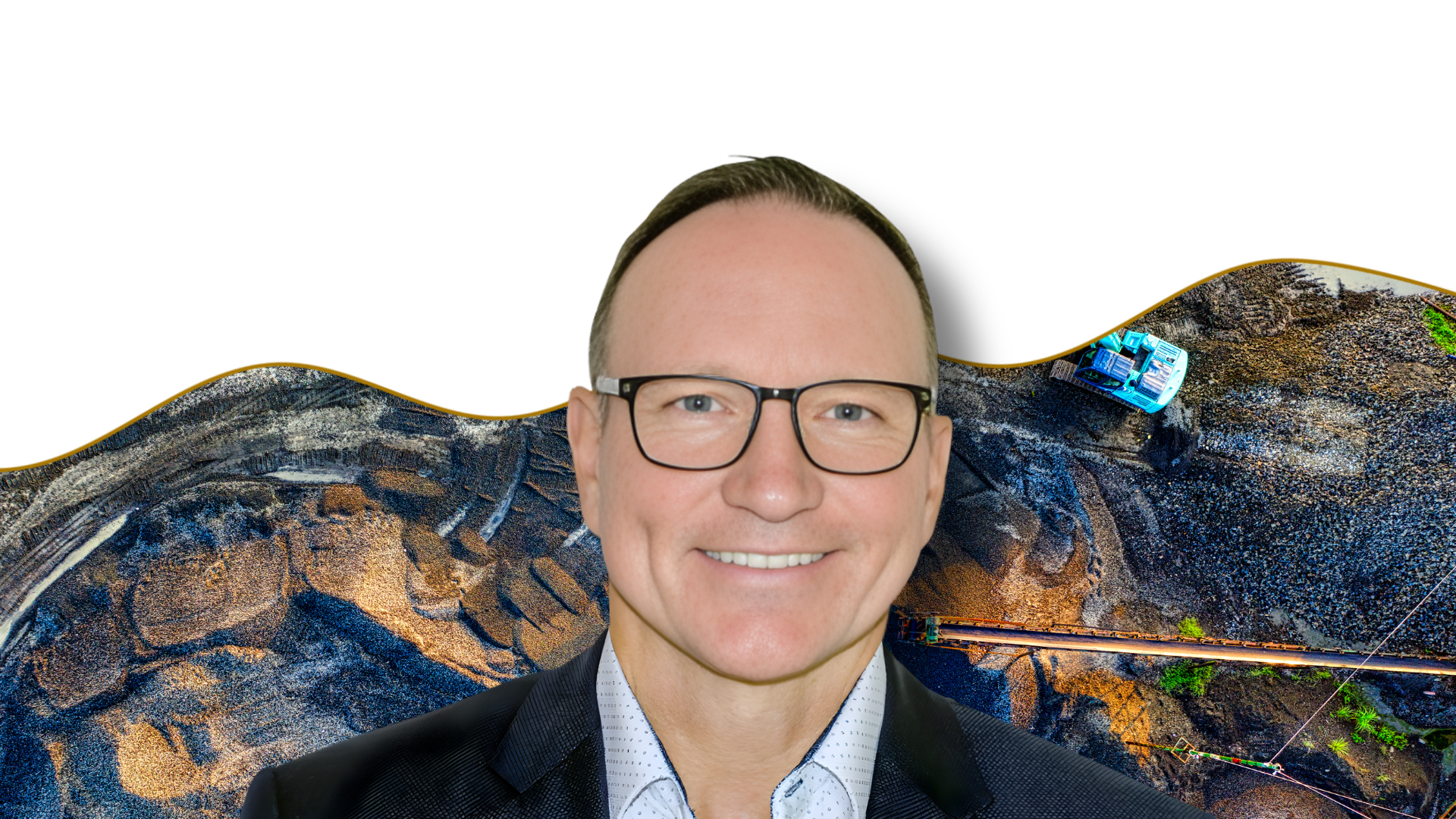
Dr. John-Mark Staude, CEO of Riverside Resources (TSX-V: RRI) has worked all over the world and says the best jurisdictions combine good geology with stable politics. Focus on secure title, clear permitting, and community acceptance. Nevada is promising right now, while Haiti is too risky despite its potential. Investors often underestimate the time and money needed to resolve permitting and community issues. Infrastructure and skilled local labor make a big difference in costs and progress. Success comes from aligning geology with practical realities, not just hope.
- 1. Geology is stable, but politics and permitting shift over time, making timing as important as location.
- 2. Secure title, efficient permitting, and community support are non-negotiable for project success.
- 3. Easy access, like roads and water, stretches exploration budgets and speeds up progress.
- 4. Hiring and training local, skilled workers and understanding cultural dynamics improve outcomes.
- 5. Investors often underestimate how long it takes for jurisdictions to improve or for projects to mature.
What is John-Mark Staude’s Favorite Jurisdiction to Work In?
“What’s your favorite place to operate?” seems like a simple question, but as John-Mark Staude, CEO of Riverside Resources, points out, the answer depends on time and circumstance. Staude’s experience spans over 35 countries, with notable time spent in Mexico since 1987. He highlights the fluid nature of jurisdictions, emphasizing that “what’s great today may not be tomorrow,” given evolving political, environmental, and cultural landscapes.
Staude points to Finland and Nevada as currently favorable jurisdictions. Nevada, despite its high costs, remains attractive due to its regulatory stability and established infrastructure. However, he warns that even “great” jurisdictions like Nevada have drawbacks, such as expensive permitting and operational costs.
How Do You Pick the Right Company in Good Jurisdictions?
Good jurisdictions often mean stiff competition. Staude explains that regions like Nevada, Quebec, and Saskatchewan are inundated with explorers, leading to challenges like high costs for drilling and services. These areas are also geologically mature, meaning much of the land has already been extensively explored.
As an explorer, Staude emphasizes looking for overlooked opportunities and using innovative exploration methods. For investors, he advises focusing on companies with experienced management teams, as they are better equipped to navigate the complexities of mature jurisdictions. “In high-risk jurisdictions, you may have higher discovery potential,” he adds, contrasting this with the “mature” challenges of established areas.
Does Geological Potential Matter More Than a Country’s Political Situation?
“The rocks don’t change, but politics do,” says Staude. His career shift from studying international relations to geology reflects this principle. For example, Mexico’s rocks have supported silver mining for 500 years, even amid political instability. Staude suggests that patient investors can wait for favorable political conditions in geologically promising regions.
He also highlights regions like Alaska and Scandinavia, where political changes have dramatically influenced mining feasibility. However, Staude cautions against regions with persistent political challenges, such as Russia and parts of Europe, where permitting remains a significant hurdle.
What Matters Most When Defining a Good Jurisdiction?
From a political perspective, Staude identifies three key factors:
- Title Security: Ownership must be legally secure.
- Permitting Speed: A clear and efficient process is vital.
- Community Acceptance: Local support can make or break a project.
Permitting, Staude notes, is often the most significant bottleneck. “If you can’t drill, you can’t create value,” he warns. He suggests investors study examples of successful permitting in a jurisdiction, rather than relying solely on company statements.
How Can Retail Investors Identify Good Permitting Processes?
Staude points to resources like the Fraser Institute’s “Survey of Mining Companies” for assessing jurisdictional favorability. Additionally, he recommends checking recent examples of successful permitting. “If only large companies are getting permits, that’s a red flag,” he notes.
Conversely, Staude cautions against dismissing “first-mover” companies outright. While pioneering can be costly and time-consuming, it may also lead to significant discoveries.
Community Challenges: Balancing Expectations and Progress
Community relations are a growing challenge, particularly in North America. Staude believes a balance is necessary: “Communities should benefit, but exploration’s footprint is minimal.” He criticizes some governments for delegating too much responsibility to companies, creating inconsistency and inefficiency.
Staude also laments lost opportunities due to permitting delays, noting that billions in potential investments have shifted away from critical metals exploration because of community and regulatory hurdles.
Is There Hope for North America and Europe to Overcome NIMBYism?
Without regulatory changes, Staude predicts ongoing reliance on foreign resources. “If we don’t permit projects, we’ll remain beholden to jurisdictions like China,” he warns. He calls for proactive government involvement to streamline permitting and support critical metals development.
Who Is Responsible for Fixing Community Relations?
Staude argues that governments must take the lead. While companies can negotiate, governments must provide clear rules and enforceable frameworks. “Without government backing, companies are left flailing,” he says.
He praises jurisdictions like Scandinavia and parts of Australia for their clear permitting processes, contrasting them with Ontario, where community negotiations often stall progress despite government funding initiatives.
Does the Tax Regime Matter to Exploration Companies?
While royalties and taxes are often seen as issues for producers, Staude stresses their indirect impact on exploration companies. High taxes can deter investment, limiting funding for early-stage projects.
Staude advocates for net smelter royalties and net profit interests, which incentivize development without stifling exploration. He warns against “short-sighted” policies that prioritize immediate revenue over long-term economic benefits.
How Critical Is Infrastructure for a Project’s Success?
Infrastructure plays a pivotal role in exploration economics. Staude explains, “If you can drive a truck to the site, you’re ahead. Helicopter-only access adds significant costs.”
While basic infrastructure like roads and water suffices during exploration, advanced infrastructure becomes crucial during development. Staude emphasizes the importance of energy availability, especially for large-scale projects.
Is Skilled Labor Important for Exploration Companies?
Staude highlights the value of local expertise, noting Riverside’s focus on training and employing local workers. He believes in empowering communities through education and skill development, which also builds long-term trust and efficiency.
How Important Is Language When Choosing a Jurisdiction?
Language and cultural fluency are critical. Staude emphasizes the need for management teams to understand local languages and customs. “If you can’t communicate with the community, you’re at a disadvantage,” he states. Riverside prioritizes hiring local staff and building culturally competent teams.
What Do Most Investors Get Wrong About Jurisdictions?
Staude identifies misplaced hope and underestimating timelines as common investor mistakes. He advises focusing on jurisdictions with clear permitting processes and actionable projects. “Hope isn’t a strategy,” he quips.
Where Would Staude Operate Today, and Where Would He Avoid?
Staude is bullish on Nevada, citing favorable political shifts. Conversely, he loves Haiti’s geology but avoids it due to insurmountable political and logistical challenges.
Conclusion
Staude’s insights offer a pragmatic guide for navigating the complexities of mining jurisdictions. From understanding permitting hurdles to evaluating infrastructure and community dynamics, his experience underscores the importance of thorough due diligence. For investors and explorers alike, the message is clear: Success in mining depends on aligning geological potential with practical realities.
Riverside Resources CEO Interview With John-Mark Staude (TSX-V: RRI)
Please note that Riverside Resources has paid for the creation of this content. This website is a business that charges for the creation and publication of content. This means there will always be a conflict of interest which means you can never rely on anything said herein.
The Resource Talks interview rules are simple. The companies, albeit paying or non-paying, get no questions upfront, no questions off the table, and no editing rights.
The information provided herein is general & impersonal in nature and meant for entertainment purposes only. The reader acknowledges and agrees that the information does not constitute a solicitation of an offer to buy or sell any security or instrument or to participate in any trading strategy. The author is not a licensed investment advisor. He is just another talking head on the internet. He might own shares of companies mentioned in this publication. Always assume he doesn’t know much more than a potato does. The mining & exploration space is among the riskiest sectors to invest in. The risk of anything mentioned in this publication is 100% loss of capital. If you don’t read the official documents provided by the company on http://www.SedarPlus.ca, you will lose all of your money.