
This is a very brief summary of what was a lengthy interview. Don’t rely on this summary. Watch the full interview which is linked at the end of this post.
Please note that this company has NOT paid for the creation of this content. The Resource Talks interview rules are simple.
The companies, albeit paying or non-paying, get no questions upfront, no questions off the table, and no editing rights.
Time to Read: 3 minutes
Company Overview: Rio2 Limited
Rio2’s flagship project, Phoenix, located near the Argentina border in East-Central Chile, is one of the largest oxide gold resources globally, boasting about 5 million ounces. Aiming for first production by the end of next year, the project involves an open-pit, heap leach operation.
The 2023 feasibility study estimates a $210 million post-tax NPV at a $1750 gold price, with a 28.5% post-tax IRR, requiring $116 million in initial capex.
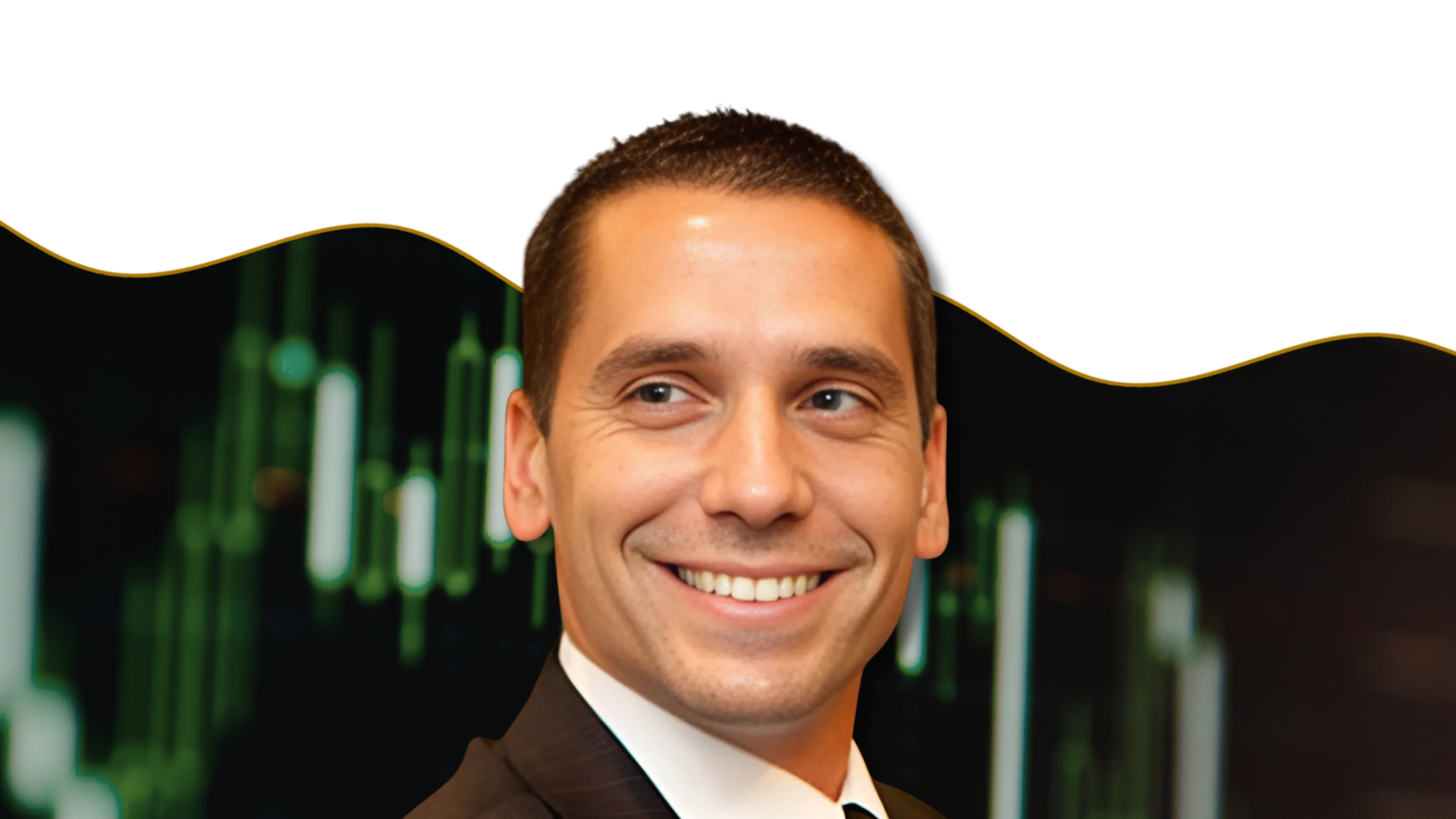
Interview with Alex Black, Executive Chairman of Rio2 Limited
What are the next steps between now and the next 18 months for Phoenix to become a mine?
The next 18 months are about execution and delivery. We’ve done this before with Rio Alto Mining in Peru, where we successfully developed the La Arena Gold Project and sold the company for $1.2 billion in 2015.
For Phoenix, we’re completing our debt financing to cover the $100+ million capex and an equity package likely to be needed by September. This allows us to recommence construction in October, leveraging the work already started two years ago. Our team in Lima, Peru, is overseeing the project, ensuring we employ skilled personnel locally in Chile.
Why are your head offices in Lima, and how does that benefit Rio2?
I’ve been in Lima for 24 years, and our president, Andrew Cox, has also been here for 15 years. Our team comprises experienced Peruvians, which keeps our G&A costs competitive. We maintain our listing in Canada, with our CFO in Vancouver, but avoid unnecessary expenses on glitzy offices.
How confident are you about obtaining the necessary permits?
I’m very confident. We’ve become a priority project in the Atacama region, with strong support from the Ministry of Mining and the Ministry of Economy. Our permitting is a bureaucratic process linked to our approved EIA, with no foreseeable issues. Despite past challenges with the Chilean government, we’ve persevered and now have clear support.
Can you provide more specifics on your financing strategy?
We’ve been working with Endeavour Financial for over a year, receiving strong interest from banks and resource funds. We anticipate securing $100-120 million in debt, with an additional $30-35 million in equity. This mix ensures we cover contingencies and cost overruns, positioning us to start construction in October.
How do you address concerns about water availability for the project?
Trucking water is our immediate solution, reducing the project’s development timeline by four to five years. While not optimal, it works for now. We’re exploring a desalination project with ENAPAC, expected to be operational in about five years, which would provide a more sustainable water source at a potentially lower Opex.
How confident are you in achieving the projected 75% recoveries?
We’ve conducted extensive metallurgical testing, and SLR Consultants reviewed our feasibility study. While gold oxide heap leach projects can vary, we expect recoveries around 75%, with potential improvements as we optimize operations.
What are your thoughts on the current strip ratio and its potential for improvement?
Our strip ratio of 0.85 is favorable, and with the gold price at $2300, more waste material could become mineralized, potentially lowering the ratio further. Historical comparisons to La Arena demonstrate the robustness of bulk-tonnage gold oxide heap leach projects.
How do you plan to keep the market engaged during the project’s boring engineering phase?
Execution and delivery are key. We’re also open to M&A opportunities to diversify and strengthen our position. Despite being a single-asset company now, we’re looking at potential acquisitions to mitigate risks and enhance shareholder value.
What makes Phoenix unique compared to other deposits in the region?
Phoenix is a 100% oxide gold deposit, unlike the high-sulfidation deposits in the Maricunga region. This makes it simpler to process, with less complex metallurgy. The deposit’s geological setting allows us to achieve substantial mineralization at depths of up to 600 meters.
What challenges do you foresee with trucking water, and how do you plan to manage them?
Trucking water involves a fleet of about 30 tankers operating 24/7, with a truck arriving every 20 minutes. Effective management of this fleet is critical, requiring a dedicated team to ensure smooth operations. While this is a temporary solution, we aim to transition to a desalinated water supply in the future.
How do you plan to improve the project’s metallurgical performance?
Continuous testing and optimization will help us improve metallurgical performance. We anticipate that actual recoveries may vary slightly from our projections, but we are confident in achieving around 75% recovery based on extensive testing and past experience.
How do you see the project evolving in terms of production scale and mine life?
We plan to start with a 20,000-ton-per-day operation and expand to 80-100,000 tons per day. This phased approach allows us to scale up production and extend the mine life, potentially adding more resources through exploration.
What’s the next major news release we can expect from Rio2?
The next release will likely be about securing our permits, followed by financing announcements. We aim to align debt and equity financing by September, with construction starting in October.
You’ve been vocal on Twitter about other mining CEOs. Who in the industry do you respect and trust?
It’s not about hate; it’s about helping people understand the industry’s realities. I respect Robert Friedland for his contributions to the copper sector. In the junior sector, Doug Ramshaw is a gentleman and has a good team at Minera Alamos. It’s all about having a solid team, and I believe Rio2 has one of the best in the region.
Full Rio2 Alex Black Interview
This is an in-depth Rio2 interview with executive chairman, Alex Black.
Alex outlines the company’s strategic plans for the Phoenix Gold Project, financing strategies, challenges, and the future outlook of the project. Despite past challenges with the Chilean government, Rio2 is confident in its ability to execute and deliver on its goals.