
Read Time: 6 Minutes
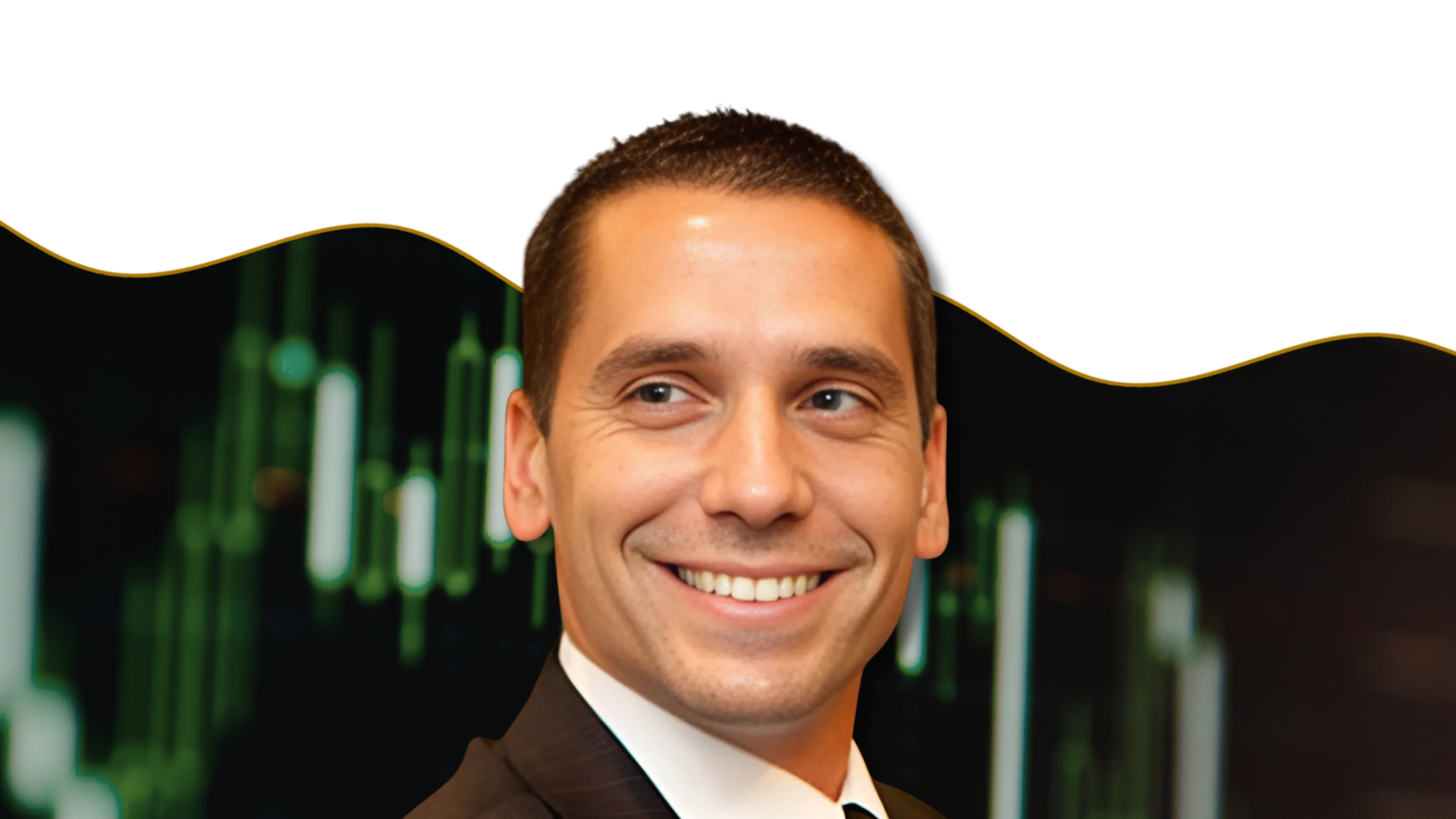
Saskatchewan has long been known for its vast agricultural plains, but beneath the wheat fields lies a different kind of resource—a hidden trove of lithium. EMP Metals (CSE: EMPS) is capitalizing on this opportunity, positioning itself as a key player in the emerging lithium market. With the global push for clean energy and electric vehicles, the race to secure local lithium supply chains has intensified. During a recent interview, Karl Kottmeier, newly appointed CEO of EMP Metals, shared insights into the company’s vision, strategy, and progress.
We believe that North American lithium is extremely important to develop for both domestic security and the clean energy transition.
Karl Kottmeier, CEO EMP Metals (CSE: EMPS)
A Snapshot of EMP’s Projects
EMP Metals operates three primary projects in Saskatchewan—Tyan, Mansur, and Viewfield—covering approximately 200,000 acres. The company’s flagship project is Viewfield, where they’ve already conducted a Preliminary Economic Assessment (PEA). This study, based on a lithium carbonate equivalent (LCE) price of $20,000 per tonne, indicated an after-tax NPV (net present value) of nearly $1 billion, with an internal rate of return (IRR) of 45%.
Kottmeier acknowledged the significance of the PEA but tempered expectations, noting that the lithium price used for the assessment is roughly double today’s market price. “It’s important for investors to understand the cyclical nature of metals markets. We’re not rushing—we’re doing things methodically, because we believe prices will recover in the coming years.”
Plans for staged development of Viewfield are underway, with the first phase estimated to cost $160 million and expected to produce 3,000 tonnes of battery-grade lithium per year.
Flow Testing and New Drilling
A major step forward for EMP Metals is the flow testing of two newly drilled wells. These wells, including one horizontal well, are being tested for their ability to extract high-grade lithium brine from the Duperow formation. The results of this testing, expected soon, will be pivotal for moving the project forward.
Kottmeier was cautiously optimistic about the results. “We’ve drilled two wells under budget and are currently flow testing. The horizontal well is particularly exciting, as we believe it could significantly improve our economics.” Horizontal drilling, more common in the oil and gas industry, is relatively new for lithium extraction, and Kottmeier hinted that EMP’s approach could give them an edge in terms of recovery rates and production efficiency.
He also highlighted EMP’s clean brine, which requires minimal pre-treatment, leading to lower operating costs. According to the PEA, the operating costs at Viewfield are estimated at $3,300 per tonne of LCE—a notably low figure compared to industry standards.
Partnerships and External Interest
One of the interview’s most intriguing revelations was Kottmeier’s discussion of potential partnerships with major oil companies. He confirmed that multiple oil companies have shown interest in Southeast Saskatchewan’s lithium potential, viewing it as a future source for North American battery production.
“We’ve seen a tremendous amount of interest from major oil companies operating in the area. They understand the value of lithium and the importance of having a local supply chain,” Kottmeier explained.
Another significant stakeholder in EMP Metals is Tempo Capital, a London-based private equity firm that has taken a 19.9% stake in the company. While Tempo doesn’t have an active management role, they do have a director on EMP’s board and retain anti-dilution rights. Kottmeier noted that Tempo’s six to eight months of due diligence before investing speaks to the confidence sophisticated investors have in the company’s assets.
Jurisdiction Matters
A key theme Kottmeier emphasized was the importance of jurisdiction. Having worked in various regions like West Africa, Nevada, and South America, he was quick to praise Saskatchewan as one of the best places to operate.
“If the jurisdiction doesn’t want you there, it’s not going to happen,” Kottmeier remarked. “Saskatchewan has been incredibly supportive, with all the infrastructure we need already in place, thanks to the province’s long history in oil and gas. It’s by far the best jurisdiction I’ve worked in.”
Permitting is another area where Saskatchewan’s oil and gas heritage plays a role. Kottmeier pointed out that the province’s regulatory framework is well-suited for lithium extraction, which he described as a fluid movement exercise with minimal environmental impact. EMP’s operations involve pumping brine out of the ground, extracting lithium, and re-injecting 90% of the water back into the subsurface, minimizing the surface footprint.
Expansion Potential
EMP Metals’ holdings extend beyond the Viewfield project. The Mansur project, located to the west, also shows significant promise, with inferred resources of 400,000 tonnes of LCE. While Mansur doesn’t yet have a PEA, Kottmeier suggested that they could see higher lithium grades in future drilling, making it an attractive resource expansion opportunity.
When asked about the possibility of joint ventures or strategic partnerships to develop Mansur, Kottmeier didn’t rule it out but indicated that EMP is not actively seeking partners at this stage. “We like to keep our options open, but for now, we’re focused on expanding our current resource base and bringing Viewfield into production.”
Long-term Vision and Challenges
The road to commercial lithium production is not without challenges. Kottmeier acknowledged the need for ongoing funding and the importance of managing operating costs. Currently, EMP has about $3.5 million in cash, and the company is preparing to leverage this for both exploration and engineering development.
“We’re targeting a balanced approach, spending about 50% on engineering and project development and 50% on exploration,” he stated. “We have a big land mass and a tremendous ability to expand our resource, so we want to push both portfolios.”
Conclusion
As EMP Metals moves forward, the company is focused on capitalizing on Saskatchewan’s lithium potential while navigating the complexities of the mining industry. With a solid ownership structure, promising projects, and strategic partnerships on the horizon, Kottmeier remains optimistic about the future. “We believe that North American lithium is extremely important to develop for both domestic security and the clean energy transition.” The coming months will be critical as the company seeks to position itself as a leader in the lithium supply chain, ensuring that it is ready to meet the increasing demand from the electric vehicle and renewable energy markets.
EMP Metals CEO Interview with Karl Kottmeier
This is a very brief summary of what was a lengthy interview. Don’t rely on this summary. Watch the full interview which is linked above.
Please note that this guest has paid for the creation of this content. The Resource Talks interview rules are simple.
The companies, albeit paying or non-paying, get no questions upfront, no questions off the table, and no editing rights.
The information provided herein is general & impersonal in nature and meant for entertainment purposes only. The reader acknowledges and agrees that the information does not constitute a solicitation of an offer to buy or sell any security or instrument or to participate in any trading strategy. The author is not a licensed investment advisor. He is just another talking head on the internet. He might own shares of companies mentioned in this publication. Always assume he doesn’t know much more than a potato does. The mining & exploration space is among the riskiest sectors to invest in. The risk of anything mentioned in this publication is 100% loss of capital. If you don’t read the official documents provided by the company on http://www.SedarPlus.ca, you will lose all of your money.