
Read Time: 7 Minutes
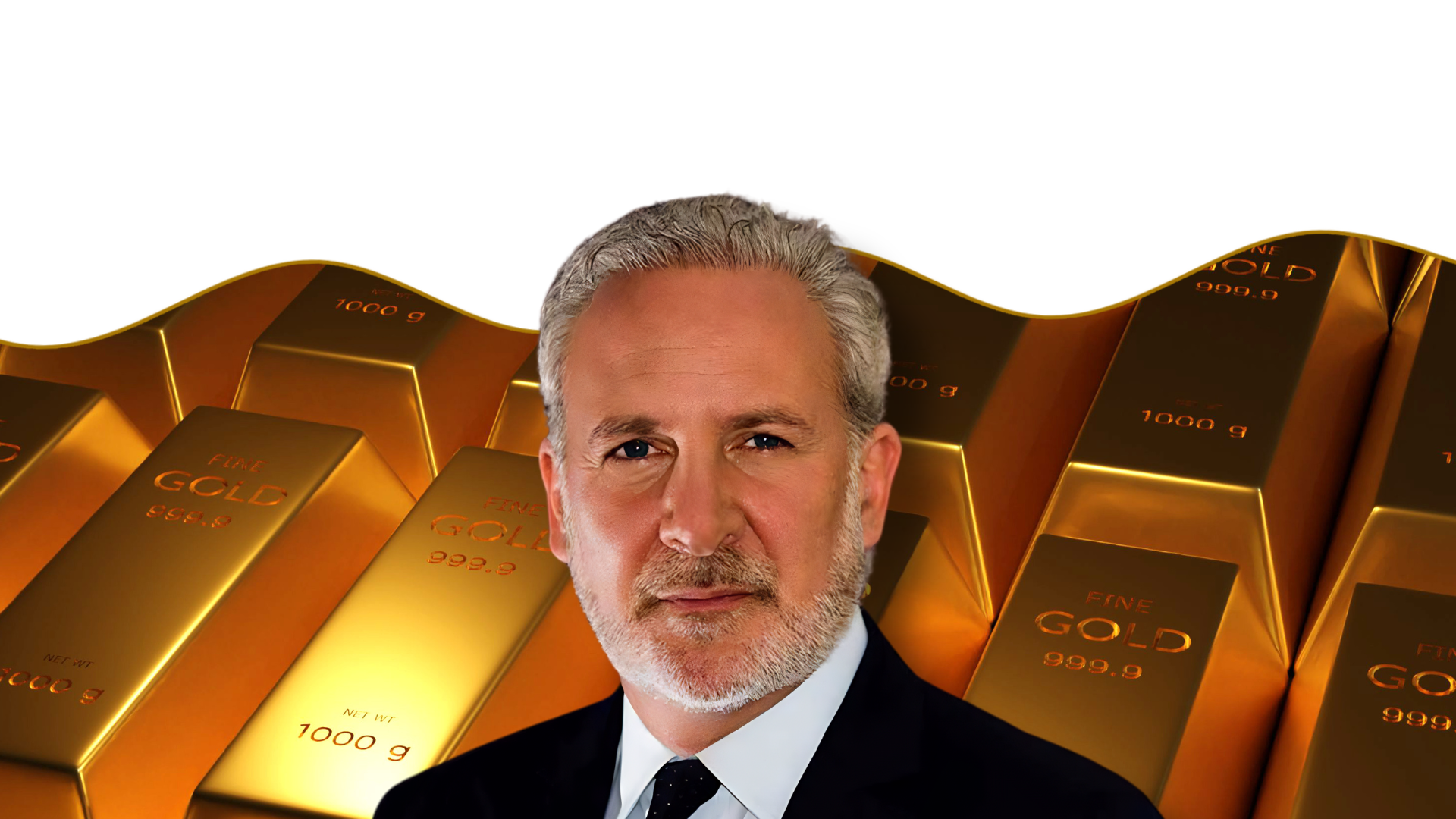
The conversation with Todd “Bubba” Horwitz, a veteran trader and market analyst, delved deep into the realities of the current market and the factors driving gold’s price. Far from the exuberance seen in mainstream headlines, Horwitz offered a measured and often stark analysis of where things stand and where they might be heading.
Gold is good for a good old kick in the butt.
Todd ‘Bubba’ Horwitz

“Inflation is going much higher,” he remarked early in the conversation, diving straight into the heart of current market anxieties. Gold’s price surge, while celebrated by many investors, might carry darker undertones. Horwitz suggested that this rise could be signaling the onset of further inflation, exacerbated by Federal Reserve policies that, while ostensibly aiming to stimulate the economy, are ultimately driving up the cost of living.
The recent rate cuts, he argued, might inflate the economy at the expense of taxpayers, labeling inflation as a “hidden tax” that extracts more from consumers with each purchase. In essence, while many celebrate rate cuts, Horwitz warned that it’s merely a mechanism for the government to collect more tax revenue through higher prices.
Beyond inflation, there’s an additional consideration regarding gold’s role in the future. Horwitz hinted at the increasing relevance of gold and silver not just as investments but potentially as alternative currencies in a time of geopolitical instability and distrust in fiat currencies.
Will Inflation Push Stocks Up?
While investors might hope that inflation will boost their stock portfolios, Horwitz expressed skepticism about any sustained rally. “Let’s see six months from now if you don’t sell those stocks,” he suggested, pointing to the impending sell-off he believes is inevitable. According to him, a massive sell-off could be looming, driven by deep-rooted issues within the banking sector and an overly interventionist government.
“The banks are in very big trouble,” he warned, highlighting that a breakdown in the banking system could have far-reaching consequences, especially with politicians now controlling the money flow more than ever before. This, Horwitz contended, is not a healthy situation for free markets or investors, and the instability could soon come to a head.
The Future of Gold Amid a Stock Sell-Off
When asked if gold would also experience a sell-off, Horwitz predicted that it might, initially. “Gold’s pretty overbought here,” he said, not ruling out a possible drop to $2,600 or $2,700 per ounce. However, once the broader market sell-off begins, he expects gold to stabilize and rise again, driven by its intrinsic value as a protective asset and possibly even as an alternative currency.
In the near term, he sees the markets undergoing a “whale selling” phase, where large institutional investors dump their holdings to raise capital. In such scenarios, even gold, considered a safe-haven asset, might take a hit. Yet, Horwitz sees this as more of a short-term blip. “Gold is good for a good old kick in the butt,” he quipped, before emphasizing that such moments would present buying opportunities for those with a long-term perspective.
Bullish on Gold but Still a Contrarian
In the age of rampant bullishness on gold—headlines touting new price targets and even investment banks jumping on the bandwagon—Horwitz maintained a level of caution, especially when it comes to the short-term outlook. “Everybody’s buying it right now,” he noted, and that’s usually when the market takes a turn.
Despite the optimism, Horwitz was careful to distinguish between trading and investing. “If you’re investing, I don’t care where it goes in the next six months,” he said, suggesting that those with long-term horizons shouldn’t concern themselves with day-to-day price movements. His advice? Hold physical metals, not paper assets. The paper gold market, which includes derivatives like futures contracts and ETFs, is over-leveraged, and Horwitz doesn’t believe there’s enough physical gold in the world to satisfy all the outstanding paper claims.
For traders, however, the overbought conditions presented opportunities for short-term plays, even if that meant betting against gold in the short term.
Silver: The Forgotten Metal
If Horwitz is somewhat reserved on gold, he’s more optimistic about silver’s prospects. “I see a bigger path for silver,” he said, noting that while silver had struggled for years, it was poised for a resurgence. Historically, silver prices reached as high as $49 per ounce, and Horwitz doesn’t believe it’s out of the realm of possibility to see those levels again.
But the real driver for silver, according to Horwitz, could be its dual role as both a precious and industrial metal. With gold prices already near all-time highs, silver—trading well below its historic peaks—offers more upside potential, especially if global demand for industrial metals increases.
Government Reaction to $5,000 Gold
What happens if gold soars to $5,000 an ounce? For Horwitz, the answer is simple: “They’ll continue to devalue currency.” Rather than intervening in any meaningful way, Horwitz believes that governments will allow the currency to erode further. However, he also expressed skepticism about whether such levels are sustainable without broader economic turmoil.
If governments do try to control the gold market, Horwitz predicted they would likely fail. He cited the possibility of gold confiscation, as happened during the 1930s, but doubted that it would work in today’s world. “There are other ways to play the market now,” he said, referencing cryptocurrencies as a possible escape for those looking to avoid government control.
BRICS and Gold: How Nations Will React
While Western nations might devalue their currencies further, Horwitz pointed out that BRICS nations (Brazil, Russia, India, China, South Africa) are stockpiling gold, potentially preparing for a future where gold plays a much larger role in the global economy. Yet, he cautioned that the number of individuals who actually own gold—outside of central banks and major institutions—is relatively small.
“Let’s look at the percentage of people that actually own any gold that would mean anything to them,” he said, implying that for most people, the effects of rising gold prices would be minimal unless they had significant holdings.
Shorting Shenanigans in the Precious Metals Market
As for the commercial banks, Horwitz acknowledged that there could be attempts to manipulate the precious metals market, but he was quick to downplay the popular narrative of nefarious manipulation. Banks, he explained, are often engaged in arbitrage, simultaneously holding long and short positions across different financial products to hedge risk. “No bank just takes the risk and says, ‘We’re going to manipulate the price down,’” he explained, because they would quickly be forced to unwind those positions.
Horwitz also dismissed the idea of a repeat of the GameStop short squeeze in silver. “The silver market is way too big to try to pull what they did with GameStop,” he remarked, noting that while some retail investors might try to rally for a short squeeze, they simply wouldn’t have the capital to move the market in any meaningful way.
The Middle Class in Decline: Will There Be a Revolution?
Stepping back from the financial markets, Horwitz took a moment to lament the broader state of the middle class, especially in the United States. He argued that inflation is systematically eroding the wealth of middle-income earners, while the rich only grow richer. “You’ve got over 21 million people paying over 30% a year for rent,” he pointed out, underscoring the growing inequality.
In Horwitz’s view, this is all part of a larger shift towards socialism, or even communism, as governments around the world seek to exert more control over the economy. And while he didn’t predict immediate societal collapse, he wasn’t ruling it out either. “I think that what you’re seeing in the United States right now is the buildup to the next potential revolution,” he stated ominously.
Final Thoughts: Where Do Investors Go from Here?
So, where does Horwitz see opportunities in this turbulent environment? In a word: commodities. Whether it’s gold, silver, or agricultural products like corn, wheat, and soybeans, Horwitz believes that commodities are poised for a significant rally.
“I think Commodities in general are going to explode higher,” he said, attributing much of this anticipated growth to inflationary pressures that will seep through various sectors of the economy. And while he continues to trade in the markets, Horwitz’s long-term holdings remain centered on tangible assets—primarily physical gold and silver.
Todd ‘Bubba’ Horowitz Interview
This is a very brief summary of what was a lengthy interview. Don’t rely on this summary. Watch the full interview which is linked above.
Please note that this guest has not paid for the creation of this content. The Resource Talks interview rules are simple.
The companies, albeit paying or non-paying, get no questions upfront, no questions off the table, and no editing rights.
The information provided herein is general & impersonal in nature and meant for entertainment purposes only. The reader acknowledges and agrees that the information does not constitute a solicitation of an offer to buy or sell any security or instrument or to participate in any trading strategy. The author is not a licensed investment advisor. He is just another talking head on the internet. He might own shares of companies mentioned in this publication. Always assume he doesn’t know much more than a potato does. The mining & exploration space is among the riskiest sectors to invest in. The risk of anything mentioned in this publication is 100% loss of capital. If you don’t read the official documents provided by the company on http://www.SedarPlus.ca, you will lose all of your money.