
This is a very brief summary of what was a lengthy interview. Don’t rely on this summary. Watch the full interview which is linked at the end of this post.
The information provided herein is general & impersonal in nature and meant for entertainment purposes only. The reader/viewer acknowledges and agrees that the information does not constitute a solicitation of an offer to buy or sell any security or instrument or to participate in any trading strategy. The host is not a licensed investment advisor. He is just another talking head on the internet. He might own shares of companies mentioned in this publication. Always assume he doesn’t know much more than a potato does. The mining & exploration space is among the riskiest sectors to invest in. The risk of anything mentioned in this publication is 100% loss of capital. If you don’t read the official documents provided by the company on http://www.SedarPlus.ca, you will lose all of your money.
Hi Lynette Zang, how have you been?
I’ve been great, and I’m so glad to be back with you. Thank you for having me. It’s always a pleasure to engage in these discussions and share insights. The past year has been quite eventful, and I’m eager to delve into the current state of the economy and financial markets with you.
How do you profit from the next market crash?
By being in the right place at the right time with the right assets. Gold and silver are severely undervalued, and when the overvalued fiat money assets crash, there will be an opportunity to convert gains in gold into undervalued income-producing assets. It’s crucial to understand that while fiat money assets like stocks, bonds, and real estate are artificially inflated, precious metals maintain intrinsic value. When the market corrects itself, these undervalued metals will rise in value, offering significant profit opportunities.
How do you reconcile seeing the stock market rise while expecting a crash?
Educate yourself and understand the true economic trends. The real trend is in the purchasing power of the dollar, not the rising stock market, which is a trading market designed to absorb wealth. The stock market’s apparent rise is driven by money printing and financial engineering, creating a nominal illusion of prosperity. Meanwhile, the actual purchasing power of your money is eroding, as evidenced by rising prices for everyday goods and services. Recognizing this discrepancy helps you stay focused on preserving real wealth rather than chasing inflated assets.
What are the true economic trends?
The purchasing power of the dollar is decreasing as the cost of goods and services increases. This is hidden by the artificially inflated stock market, which is driven by money printing and financial manipulation. Real economic trends can be observed in the rising costs of essentials like food, healthcare, and housing. As inflation erodes the value of money, the facade of stock market gains becomes more apparent. The overvaluation of fiat assets and the undervaluation of precious metals indicate a significant shift waiting to happen, revealing the true economic reality.
What do you make of the trend of central banks buying more gold?
Geopolitical tensions and lack of confidence in fiat currencies are driving central banks to buy more gold. This is a pattern seen historically during currency regime shifts. Central banks understand the inherent value of gold as a hedge against currency devaluation and economic uncertainty. By accumulating gold, they are preparing for potential instability in the global financial system. This trend highlights the strategic importance of gold as a safe-haven asset that retains value across economic cycles.
Is there a link between central banks purchasing gold and CBDCs?
Yes, central banks buying gold while developing CBDCs suggests a strategy to regain public confidence by backing digital currencies with gold. However, they may also continue to suppress gold prices through financial instruments like ETFs. This dual approach allows central banks to manage perceptions and control the transition to digital currencies. By holding gold, they can provide a semblance of stability and trust in the new digital systems, even as they manipulate markets to maintain control over monetary policy and economic stability.
How do you reconcile being bullish on silver and bearish on the economy?
Silver is both a monetary and industrial metal, making it versatile. It acts as a tool for barter and wealth preservation during economic instability. While a declining economy might reduce industrial demand, the monetary demand for silver as a safe-haven asset can increase. Historically, during periods of economic turmoil, silver’s role as a store of value becomes more prominent. This dual nature provides a buffer, allowing silver to maintain its value and even appreciate despite broader economic challenges.
What do you think about gold and silver stocks?
Gold and silver stocks are still stocks and do not represent the physical metal. In a crisis, they may not perform as well as physical gold and silver. While they offer leverage to the price of metals and can provide significant returns during bull markets, they are also subject to market volatility and operational risks. Additionally, the ownership of mining stocks doesn’t equate to owning physical metal, which is critical in times of severe economic distress when counterparty risk becomes a major concern. Physical metals, on the other hand, provide direct ownership and no counterparty risk.
What is the impact of CBDCs?
CBDCs will likely be introduced during a major crisis, pushing people into a fully controlled digital currency system. To resist this, individuals should strive for self-sufficiency and community support. CBDCs can offer governments unprecedented control over financial transactions and personal finances, posing significant privacy and freedom risks. By building local communities that support alternative economies and using precious metals as a store of value, people can maintain some level of financial independence and resilience against such centralized control.
Are gold and silver undervalued?
Yes, both gold and silver are severely undervalued. The true value of gold is hidden by financial instruments, and in a crisis, its price will likely skyrocket. Central banks and informed investors recognize the intrinsic value of these metals and accumulate them as a hedge against currency devaluation and economic instability. As confidence in fiat currencies wanes, the demand for physical gold and silver will increase, driving their prices up significantly. This makes them essential assets for preserving wealth and capitalizing on future economic shifts.
Is there an ongoing crisis in the fintech sector?
Yes, a crisis is unfolding in the fintech sector, where many consumers are discovering that their accounts are not insured as they believed. This could lead to widespread bank runs and financial instability. The complexity and interconnectedness of fintech companies with traditional banks create systemic risks that are not fully understood or managed. As these vulnerabilities become apparent, trust in the financial system could erode, triggering panic and further instability. This underscores the importance of holding physical assets outside the banking system as a safeguard.
What do you make of analyst predictions for gold and silver prices?
These predictions are revealing the truth about the undervaluation of precious metals. Wall Street is starting to acknowledge the potential for significant increases in gold and silver prices. Analysts projecting higher prices for these metals indicate a recognition of their fundamental value and the unsustainable nature of current fiat money systems. As economic realities set in, more investors will turn to gold and silver, validating these predictions and driving prices higher.
Is our financial system stable?
No, the global financial system is based on debt and leverage, making it inherently unstable. Compounding interest on debt exacerbates the problem, making it difficult to escape financial instability. The reliance on continuous debt creation to sustain economic growth creates vulnerabilities that can lead to crises. As debt levels rise and the ability to service them diminishes, the risk of a systemic collapse increases. This fragility is a key reason why holding physical assets like gold and silver is crucial for long-term financial security.
How do we protect ourselves from economic instability?
Convert fiat money into physical gold and silver to preserve wealth. Building self-sufficiency and community support can provide resilience against economic crises. Diversifying into tangible assets that hold intrinsic value ensures that your wealth is protected from currency devaluation and financial market volatility. Additionally, fostering local communities that emphasize resource sharing and mutual support can help mitigate the impacts of economic disruptions and provide a buffer against centralized control and systemic risks.
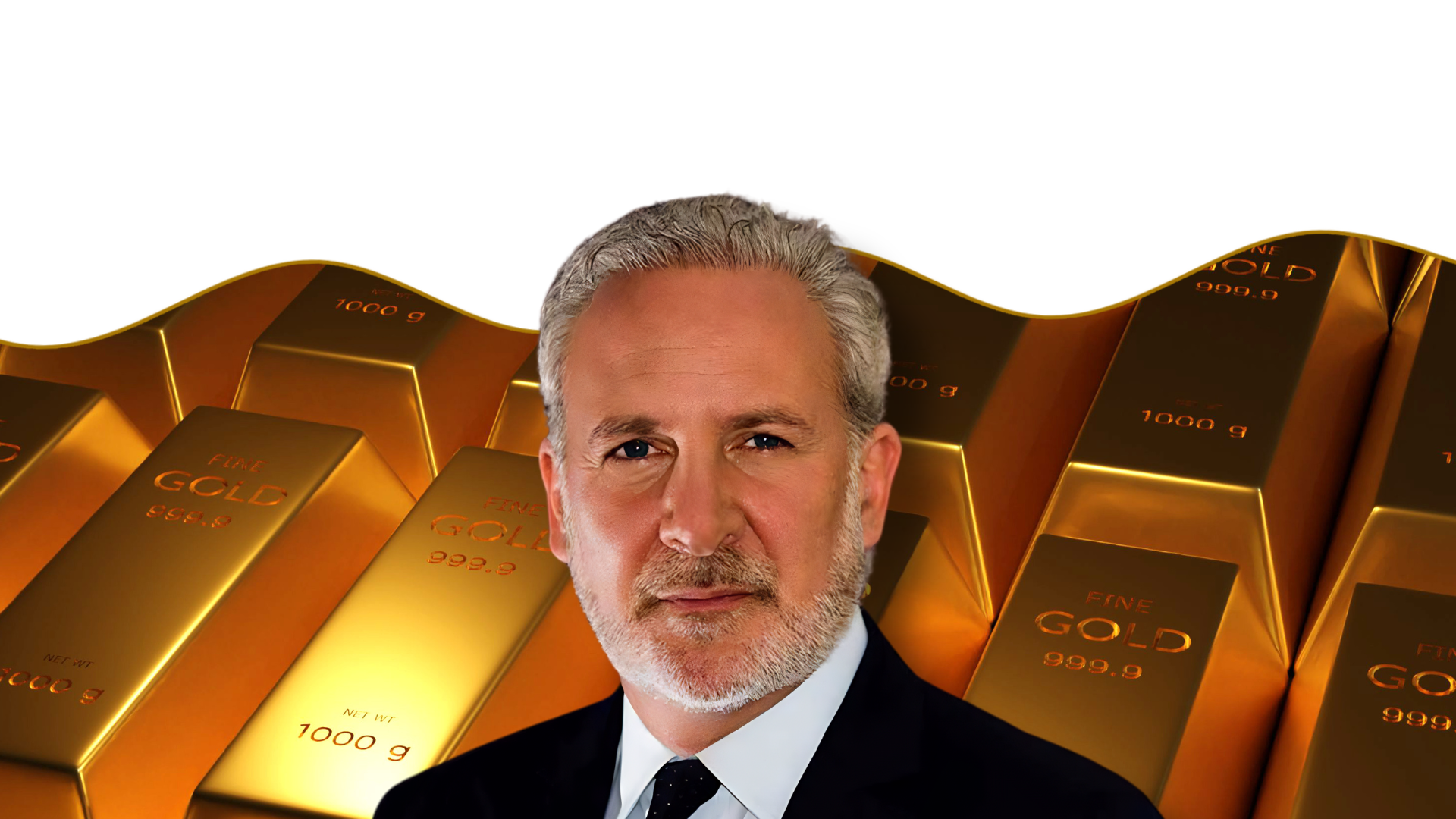
This Lynette Zang interview highlights the overvaluation of fiat money assets and the undervaluation of gold and silver, predicting a shift when public confidence wanes. It discusses the ongoing fintech banking crisis and the development of Central Bank Digital Currencies (CBDCs). Investing in physical gold and silver is recommended for preserving wealth and preparing for economic instability.