
READ TIME: 5 MINUTES
The more things go wrong, the higher the payoff.
Fergus Cullen, aka Trader Ferg, aka the Kiwi Kingpin of Killowatts
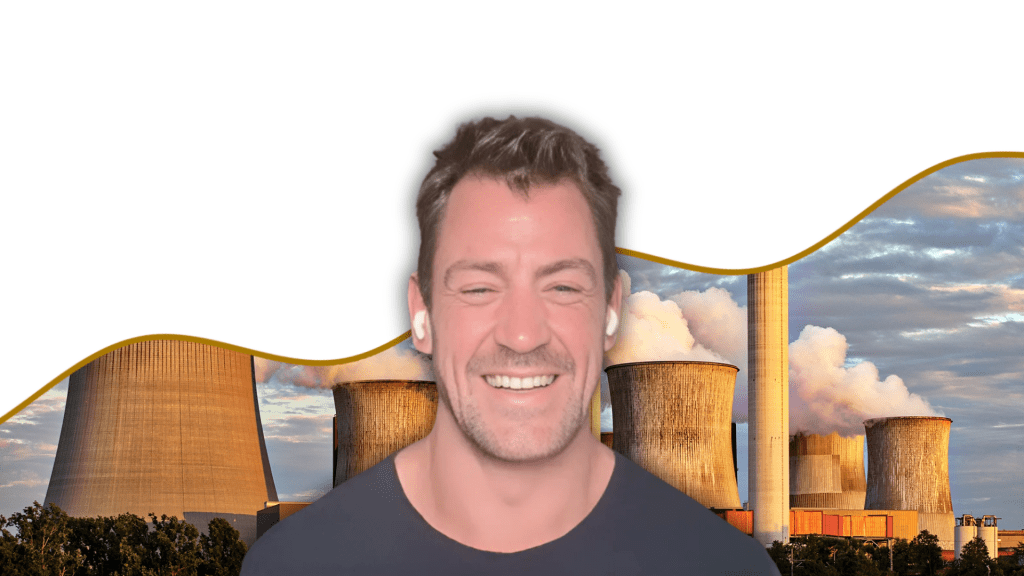
Summary
- Ferg believes undervalued commodities like uranium, PGMs, and coal offer unique long-term returns, especially as mainstream narratives shift on energy demand.
- Government subsidies for renewables and electric vehicles are unsustainable in a high-inflation environment, favoring hybrid vehicles and traditional energy sources.
- He emphasizes jurisdictional risk, preferring diversified ‘picks and shovels’ plays over concentrated assets in high-risk regions.
- Ferg’s contrarian strategy relies on portfolio diversity with carefully sized positions to mitigate losses and capitalize on mispriced sectors.
- He monitors signals for sector exit, focusing on utility contracting in uranium and remaining skeptical of market optimism to time his sales effectively.
What’s New in Ferg’s Portfolio?
Ferg has shifted a substantial portion of his portfolio into PGMs, which he believes offer a misunderstood and undervalued opportunity, particularly as the narrative around renewable energy vehicles shifts. He stated, “The whole industry is overlooking the constraints around PGMs, especially with load shedding and power outages impacting South Africa, a key supplier.” Currently, his portfolio includes roughly 60% uranium, 20% offshore energy, and 15% coal, with PGMs and tin rounding out his positions.
A Shift in Energy Vehicles Drives Demand
Ferg observes a gradual but decisive pivot from 100% renewables to a mix of technologies, including nuclear and carbon capture. “The big capital has already moved based on the previous narrative,” he argues, “so you have to ask yourself what’s been underinvested.” He sees plug-in hybrids as a viable growth area that demands higher platinum and palladium content in catalytic converters, which offsets the pressure on PGMs from the electric vehicle market. This is where Ferg sees misunderstood value: “When everyone is convinced they know the narrative, it usually means they’re missing the real story.”
Betting on Hated Sectors and Capital Scarcity
Ferg finds opportunity in areas where capital has largely fled, like offshore drilling and uranium. “Drill ships and offshore assets aren’t being built anymore; the industry got burnt last time,” he explains. He believes that the lack of replacements combined with high barriers to entry makes this an attractive space for outsized returns.
For uranium, he maintains a strong conviction, noting, “Western utilities are out of bullets. The inventories have been tapped; they will have to turn to miners.” His investment thesis hinges on a structural deficit in supply, with long-term contracts likely pushing prices north of $100 in the coming years.
Can Subsidies Keep Electric Vehicles Alive?
Ferg is skeptical of government intervention, especially as global monetary policy shifts toward inflationary pressure. “You can’t print your way to efficiency,” he quips, arguing that renewable energy initiatives and electric vehicle mandates will struggle as governments face tighter budgets. He predicts that, under sustained inflation, plug-in hybrids will likely capture more market share than pure electric vehicles, particularly in emerging markets.
“I Can See It’s Wrong”: Valuing the Contrarian Way
Ferg describes his method of valuing these price-taking cyclic businesses: “You want a DCF [discounted cash flow model] assumption that’s clearly wrong.” In the case of coal and metals, for instance, market valuations are based on assumptions that electric vehicles will dominate by 2035. He dismisses these projections, noting, “There’s no capex planned for that kind of shift.” Instead, he focuses on mismatches between market assumptions and the reality of production costs and timelines.
Managing Political Risk in Mining Investments
For Ferg, jurisdictional risk isn’t just a problem in developing countries; developed markets like Australia have proven equally capable of imposing arbitrary royalty hikes. He prefers “picks and shovels” plays, like oil services companies, which are less exposed to government overreach. “I’ve been robbed more times with a pen than an AK-47,” he muses, quoting industry veteran Rick Rule.
On Owning 30+ Stocks and Managing Portfolio Volatility
Ferg’s portfolio management style involves holding more than 30 positions, with each averaging around 1%–5% of his total capital. He builds conviction by tracking these positions over time, gradually increasing his stake as opportunities arise. When positions reach 5%, he generally caps them, citing the risks of “embarrassment risk” if a position goes to zero. “I’ve had names go to zero on me, but sizing saved me,” he explains.
The Art of Execution and Knowing When to Exit Uranium
While Ferg usually follows a contrarian approach, his uranium position remains one of his largest, even as market consensus catches up with his original thesis. “I’ve let the uranium position size grow because I haven’t seen the signals to exit,” he explains, pointing to Western utilities’ expected contracting cycle. However, he acknowledges the volatility this strategy can introduce, noting, “It’s a tough balance. Letting a winner run can make your portfolio a roller coaster.”
Betting Against the Narrative with Coal
Ferg views coal as emblematic of the energy scarcity narrative that mainstream analysts consistently ignore. “The reality is, China and India are adding to their nuclear and coal fleets, despite what Western media suggests,” he points out. For him, the energy transition narrative only strengthens the investment case for coal, as he believes attempts to force renewables will create an energy shortfall, and coal will fill the gap.
Bullish but Cautious: Ferg’s Take on the Sector’s Leaders
With few attractive uranium miners in the market, Ferg focuses on major players like Cameco and Kazatomprom, despite their jurisdictional challenges. “You’ve got dog after dog in the uranium space,” he remarks, though he sees high-quality producers as undervalued compared to potential supply-demand imbalances. His exit signals include seeing utility contracts climb above $120 and increased enthusiasm within the sector.
Trader Ferg Interview
This is a very brief summary of what was a lengthy interview. Don’t rely on this summary. Watch the full interview which is linked above.
Please note that this guest has not paid for the creation of this content. The Resource Talks interview rules are simple.
The companies, albeit paying or non-paying, get no questions upfront, no questions off the table, and no editing rights.
The information provided herein is general & impersonal in nature and meant for entertainment purposes only. The reader acknowledges and agrees that the information does not constitute a solicitation of an offer to buy or sell any security or instrument or to participate in any trading strategy. The author is not a licensed investment advisor. He is just another talking head on the internet. He might own shares of companies mentioned in this publication. Always assume he doesn’t know much more than a potato does. The mining & exploration space is among the riskiest sectors to invest in. The risk of anything mentioned in this publication is 100% loss of capital. If you don’t read the official documents provided by the company on http://www.SedarPlus.ca, you will lose all of your money.